
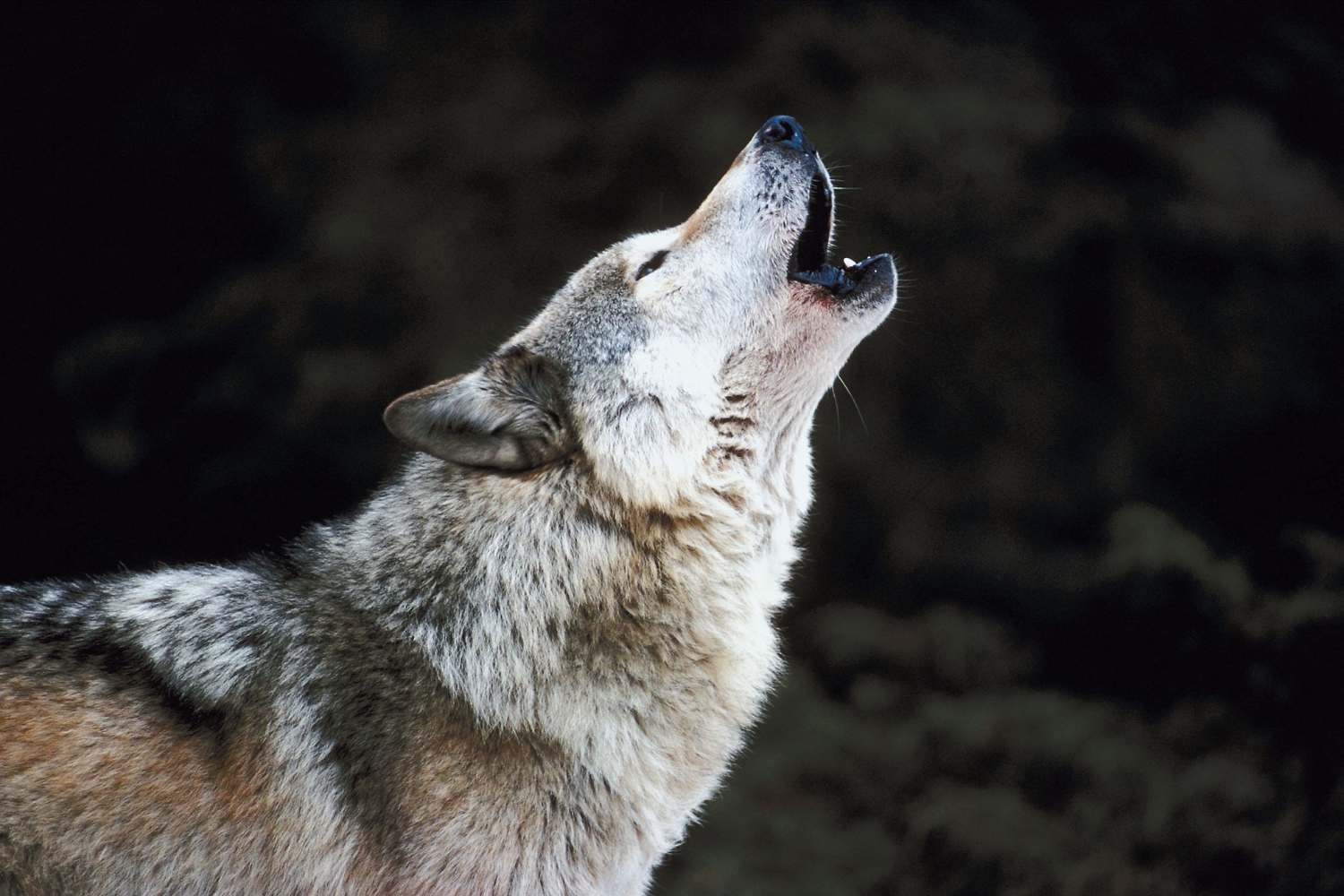
On state road 52, near Vinadia in the province of Udine, a tragic episode caught the attention of those passing by: a she-wolf was hit by a van while crossing the road. The impact was violent and, although the animal did not die instantly, a fracture to its spine left it immobile on the asphalt, unable to move.
Despite the timely intervention of the rescuers and the attempted transport to the wildlife recovery center in Pagnacco, the wolf did not make it. But the story is not just that of a broken life: next to her, a faithful companion remained immobile, watching over the female until the arrival of the Forestry Police, ignoring the traffic and the concrete danger. They probably could have been a newly formed couple. A heartbreaking scene that leaves its mark, symbol of a bond and animal loyalty that goes beyond death.
The harsh reality of road accidents involving wolves
The wolves that populate Friuli Venezia Giulia pay an enormous price every year. Road accidents are among the main causes of mortality for the species, particularly affecting dispersing young specimens. These cross urbanized valley floors and fast roads, driven by the instinct to seek new territories, unaware of the dangers created by man.
Highway 52 is certainly not an isolated case: without wildlife underpasses, ecological corridors and adequate signage, other wolves could meet the same fate. The image of the immobile companion next to the she-wolf then becomes a powerful symbol: not only of the loss, but also of the urgent need to respect and protect wildlife. The silence of the woods interrupted by the noise of traffic reminds us how much human action is fragmenting natural habitats, erasing the rhythms of those who lived there before us.
The death of the wolf is not attributable to the driver of the van: accidents are often inevitable. The real challenge concerns urban and infrastructural planning, to ensure coexistence between humans and wildlife. Green bridges, fences with corridors, wildlife underpasses and illuminated signs can drastically reduce tragedies.
We need political will and targeted investments to transform the road from a deadly barrier to a shared space. It is time to recognize the right to life of those who inhabit nature before man and to act, before other stories like this repeat themselves.
You might also be interested in:
