
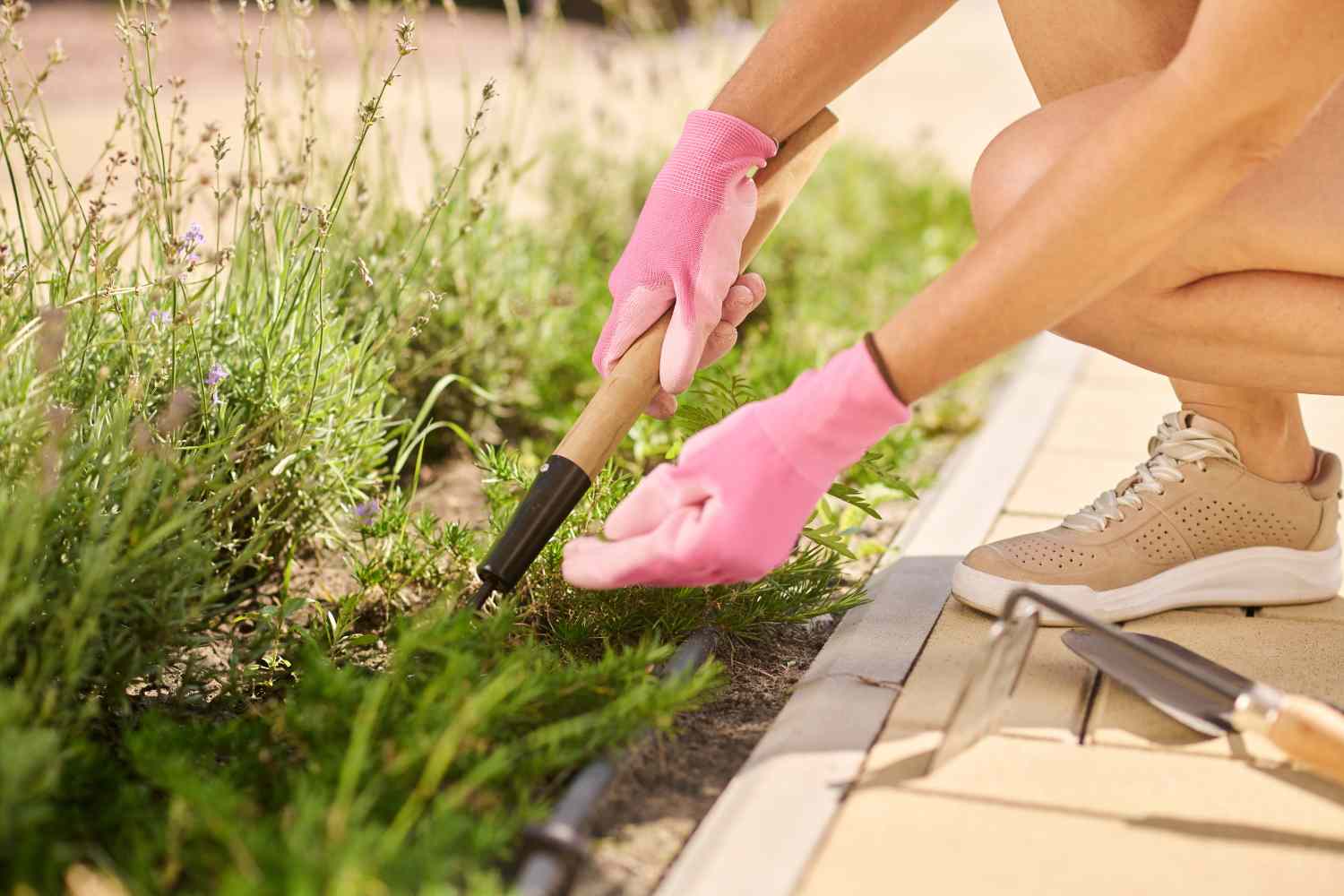
With the arrival of spring, weeds grow rapidly again and can become one of the main concerns for those who take care of a garden or vegetable patch. Intervening early, however, makes the job much easier. According to one gardening expert, March is the ideal time to remove them while they are still young and vulnerable.
Acting at this initial stage not only facilitates the removal of weeds, but also allows them to be reused in a useful way for the garden instead of throwing them away.
Why remove weeds in spring
Between March and May many annual weeds begin to germinate while the perennial ones come out of the winter rest phase. As temperatures rise, their growth accelerates and, if not controlled immediately, they can spread rapidly.
At this early stage the weeds are still poorly developed and have a limited root system. This means they have not yet colonized the soil nor do they seriously compete with crop plants for water and nutrients.
Precisely for this reason they are much easier to remove than when they become mature and deeply rooted.
How to remove them correctly
To eliminate weeds you don’t necessarily need harsh chemicals. When they are young you just need to eradicate them manually.
The simplest method is to grab the plant as close to the ground as possible and pull gently, trying to extract the entire root system. Alternatively you can use a small garden trowel.
The important thing is to avoid breaking the roots: if they remain in the soil, the plant can regrow quickly. Eliminating them at this stage also prevents them from taking nutrients away from the soil, leaving more resources available for crops or ornamental plants.
Don’t throw them away: they can nourish the garden
Once removed, weeds do not necessarily end up in the bin. The leaves, in fact, are rich in nutrients and can be transformed into a very effective natural fertilizer.
To do this, simply separate the foliage from the roots and place it in a container or bucket filled with water. Weeds must remain completely submerged.
After a few weeks the plant material will begin to decompose, releasing the nitrogen and other nutrients it has absorbed from the soil into the water.
How to obtain a natural liquid fertilizer
As weeds decompose, they release nutrients into the water, creating a natural liquid fertilizer. The liquid obtained can be used to nourish other plants in the garden or vegetable patch.
This simple process allows part of the nutrients removed by the weeds to be returned to the soil, transforming a common gardening problem into a useful resource.
A small gesture that improves the garden
Eliminating weeds in early spring is therefore an effective and sustainable strategy. Intervening when the weeds are still young reduces the work necessary and makes the use of chemical herbicides unnecessary.
Furthermore, by reusing them to create natural fertilizer, you can transform waste into an ally for the health of the garden. A simple gesture that helps plants grow better and keeps the soil more fertile over time.
