
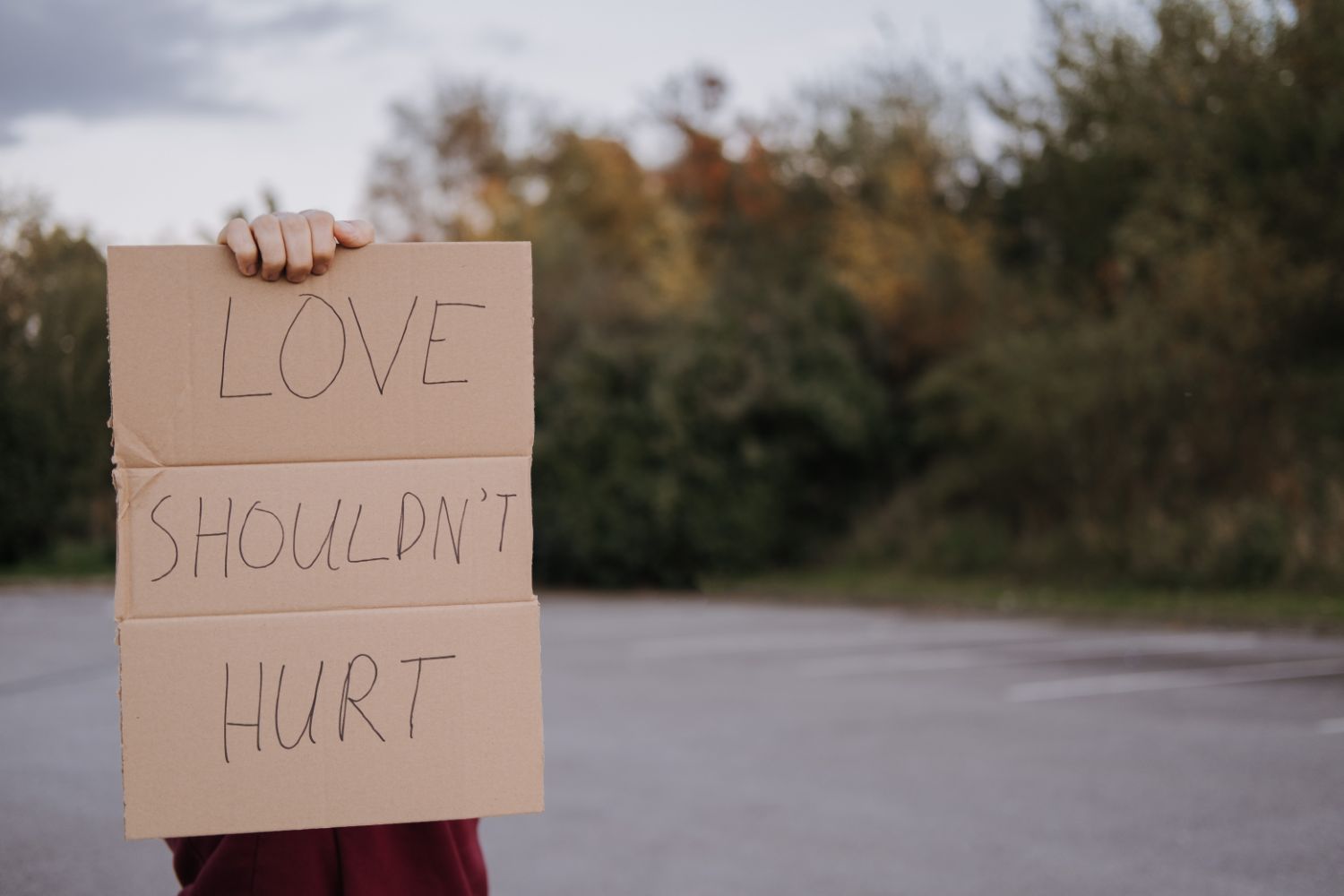
It happened again. An abandoned farmhouse, none on the street, one stone. Down assassins to find revenge, a woman who does not want you is a bad toad to swallow. Then down, assassins and blood shots everywhere, an abandoned body in a wardrobe. A nice system to make my male ego sparkle. Still down, murderous assassins and jeans, I don’t care about our few years, a woman who doesn’t want me is an affront that I can’t tolerate.
It happened again. Same scheme, same logic, same re -re -re -re -related justifications as Patriarchal Genesis: “I killed him because he had left me“. So said the almost nineteen year old who took his life Martina Carbonaro14 years old, that that relationship did not want to re -establish it, but that he had equally accepted to meet with the ex in the same place where they usually seen.
Immenal error – some genius would say. Why did you go there?
Because trust is part of the human soul. Because Martina didn’t think that was her executioner. But the executioner was convinced, yes, that that body was his and could dispose of it as he wanted better.
How many other bodies will we find lifeless in a wardrobe? How many other indecent phrases of the type “I haven’t seen it anymore from anger“We will have to listen to before we put an end to all this? Spot interventions at school are not enough, advertising campaigns of a ministry is not enough that goes forward slogan on the Bible and on the Latin in the classroom. It is not even enough to talk about it in the family, because it is often precisely in the families that the seed of toxic masculinity lurks.
So what to do? Turn the system from head to toe: starting from the school? Yes. From families? Certain. From the streets also.
Every single femicide is not an isolated event or the result of a tragic fatality: it is the extreme, but unfortunately consistent outcome of a structural system of inequalities, stereotypes and violence that pervade our society. It is the last ring of a long chain, made of small and large abuse of power, of control, of debris of female identity and autonomy. A system that starts from afar and feeds daily, even in the most unsuspected contexts: in the normalized sexist joke, in the judgmental gaze on the body of women, in tolerance towards possessive attitudes passed off as love, in the silence in the face of words or gestures that hurt.
It is not just about the black news titles. We see it every day, even when we pretend not to see it: between the lines of a school chat, in a comment on Instagram, in the roles imposed on girls and boys, in the conversations between adults where certain patriarchal dynamics are still justified or reduced to “character”. We see him among the mothers of the companions of our children, who perhaps unconsciously perpetuate those same cultural cages that will then condition future generations.
There gender violence is not a problem of womenis a collective, social, cultural question. It concerns everyone, because it is born from a distorted educational and valiant system that touches every area of life: from family to school, from work to media. For this we can no longer allow us superficiality, indifference or fixed -term indignations. A daily, constant awareness is needed. We need a critical look, a widespread responsibility. We need the courage to appoint things for what they are, even when it is convenient to pretend nothing.
Because every day we don’t change something, we are leaving everything exactly how it is. And that “as it is” continues to kill.
