

International Legumes Day was celebrated on 10 February, proclaimed by the United Nations General Assembly to remember the nutritional value of these foods and their importance for global food security. An opportunity to rediscover how chickpeas, lentils, beans and peas can become the protagonists of a week dedicated to well-being and savings.
Savings start from spending
Dried legumes are one of the cheapest choices you can find at the supermarket. Chickpeas cost around 2.50-3.20 euros per kilo, beans around 3.50 euros, while lentils can also be found for less than 2 euros per kilo. By purchasing legumes in bulk at the market, prices drop further, fluctuating between 2 and 2.50 euros per kilo. With a cost of around 25-30 euros it is possible to organize an entire week of balanced and nutritious meals.
Quality vegetable proteins
From a nutritional point of view, as highlighted by the Italian Guidelines for a healthy diet, legumes provide vegetable proteins which, combined with cereals, reach a quality similar to animal proteins. They are rich in fiber, B vitamins, iron, calcium, potassium and other minerals. Unlike animal proteins, they do not contain cholesterol or saturated fats, with a decidedly lower environmental impact.
How to organize meal prep
The weekly meal prep – mutated from the English “meal preparation” – with legumes involves dedicating 2-3 hours on the weekend to preparing the bases that will be needed in the following days. Dried legumes need to be soaked in cold water the night before (except lentils), then rinsed and cooked. With a pressure cooker, times are significantly reduced: around 12-14 minutes for chickpeas and beans. Once cooked, they can be stored in airtight containers in the refrigerator for 3-4 days or can be frozen in portions.
To really organize meal prep with legumes, it is useful to use the weekend to prepare some bases that can be used in different ways during the week. After soaking and cooking, multiple varieties of legumes, for example chickpeas, lentils and beans, can be cooked at once, so as to have versatile ingredients ready for different dishes.
Part of the chickpeas can be blended to obtain a hummus to use for snacks, sandwiches or bowls, while the remainder can become the base for a pasta and chickpeas or for a cold salad with cereals and vegetables. The beans, however, can be transformed into a mixture for vegetable meatballs to be cooked immediately or stored for the following days. Red lentils are particularly practical because they cook quickly and can be used for creamy soups or to prepare a spicy dahl.
Once ready, cooked legumes can easily be stored in airtight containers in the refrigerator for three or four days. If you prepare larger quantities, you can divide them into portions and freeze them, so as to always have them available and reduce meal preparation times on working days. In this way, with a few hours of cooking on the weekend, it becomes easier to organize balanced meals for the whole week, also reducing food waste.
Versatile bases for a thousand recipes
The basic preparations are versatile and can include: chickpeas that become hummus for snacks and aperitifs, beans transformed into vegetable meatballs mixed with boiled potatoes and spices, or to be used as a creamy base for first courses, red lentils for excellent soups. You can cook multiple varieties at the same time, and create a variable assortment to use throughout the week.
A balanced menu for the whole week
A balanced weekly menu includes legumes 2-3 times a week as the main course, combined with whole grains and seasonal vegetables. A portion of dried legumes corresponds to 30-40 grams per person, which triples in weight once cooked. With 500 grams of dried chickpeas you get around 10-12 portions.
Examples of weekly menus
To easily integrate legumes into your weekly diet, simply include them in some main meals, alternating them with whole grains and seasonal vegetables. Here is a simple and balanced example:
In this way, different types of legumes are included during the week, improving the nutritional variety and taste of the dishes.
Recipes with legumes
For those who want to start including more legumes in their diet, a few simple and versatile recipes are enough. Here are three easy preparations to include in your weekly routine.
Red lentil dahl
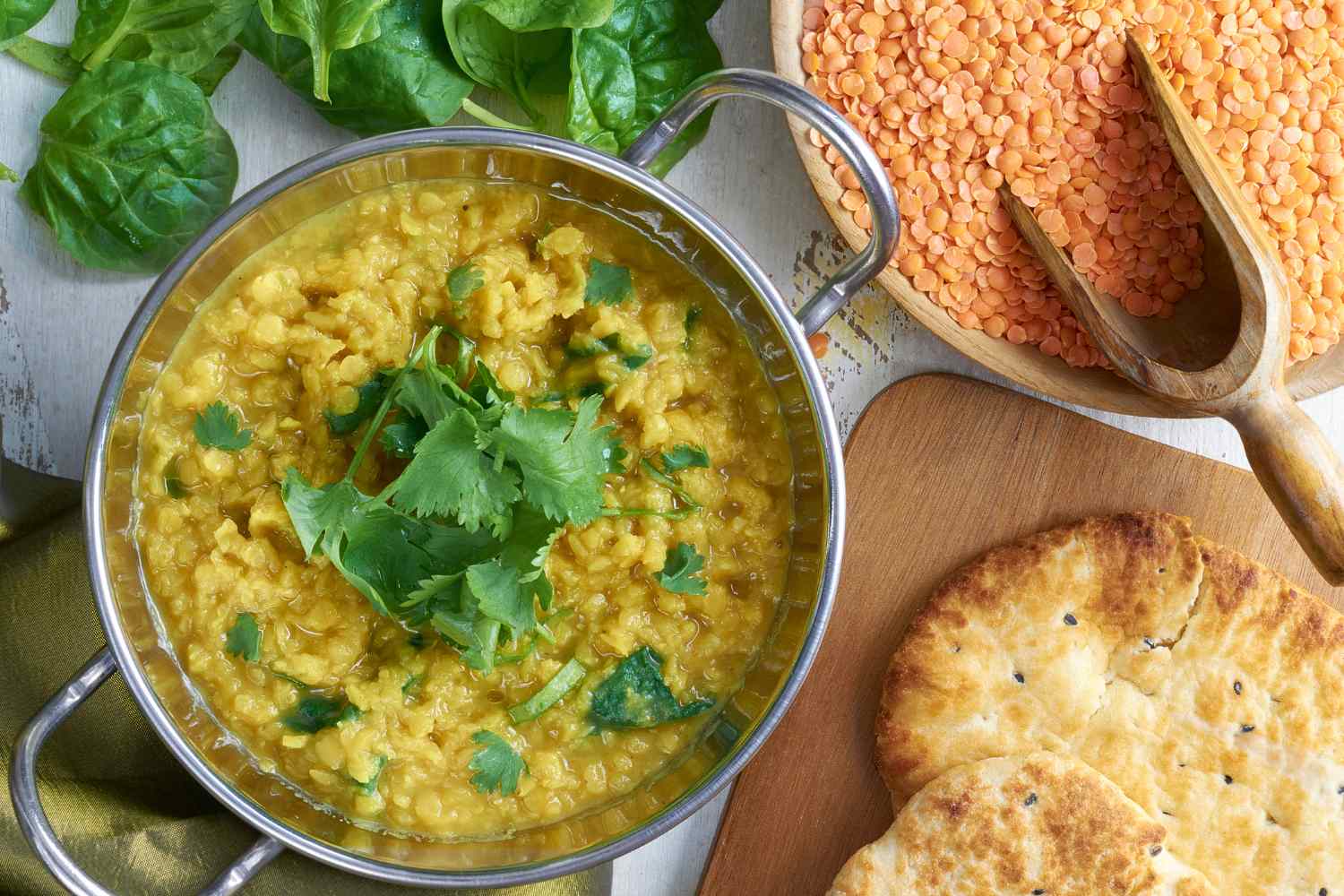
Dahl is a creamy soup typical of Indian cuisine, nutritious and quick to prepare.
Ingredients (for 4 people)
Preparation
Chop the onion and garlic and fry them in a saucepan with a drizzle of oil. Add the spices and leave to flavor for a minute. Add the rinsed lentils, tomato puree and water or broth. Cook for about 20 minutes, stirring occasionally, until the lentils become soft and creamy. Season with salt and serve hot, possibly with rice or wholemeal bread.
Bean balls

A simple and nutritious second vegetable, also ideal for using already cooked beans.
Ingredients (for 4 people)
Preparation
Mash the beans with a fork or blend them coarsely. Add the mashed boiled potato, breadcrumbs, parsley and parmesan. Mix until you obtain a compact mixture. Form meatballs and place them on a baking tray lined with baking paper. Cook in the oven at 180°C for about 20 minutes, turning them halfway through cooking. They can also be browned in a pan with a little oil.
Pasta and chickpeas
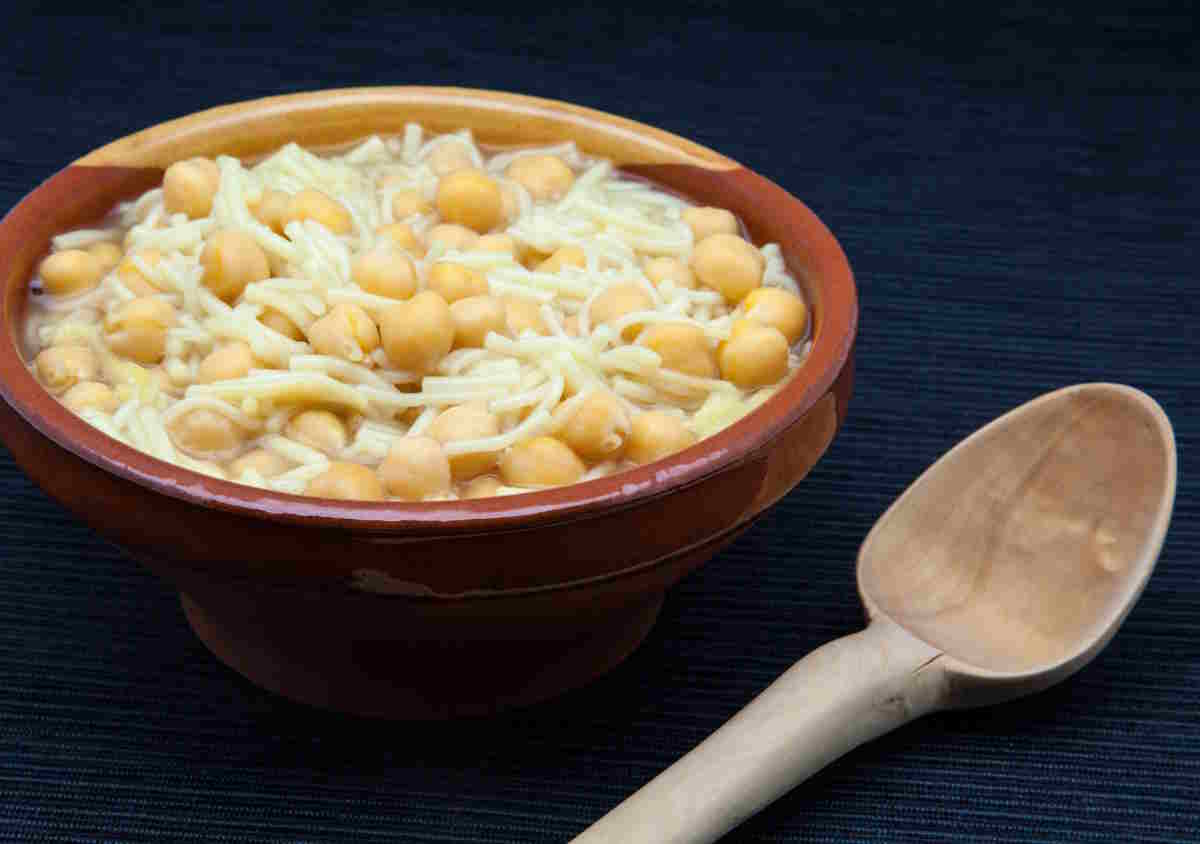
A classic of the Italian tradition, nutritious and economical.
Ingredients (for 4 people)
Preparation
In a saucepan, fry the garlic with a drizzle of oil and a sprig of rosemary. Add the chickpeas and tomato puree, then cook for 10-15 minutes. Boil the pasta in salted water and drain it al dente. Add it to the sauce with a ladle of cooking water and cook for a few minutes. Serve with a drizzle of raw extra virgin olive oil.
The recipes are endless (here you will find lots of ideas for your recipes with legumes): rice and peas, pasta and chickpeas, salads with beans, bowls with lentils. Each preparation can be customized with fresh vegetables added at the last moment.
Savings are not just economic, because careful meal planning reduces food waste, optimizes energy consumption by cooking multiple portions together and allows you to make conscious shopping, focused on quality and seasonal ingredients. A choice that is good for your wallet, your health and the environment.
International Legumes Day reminds us that these foods, also seen by CREA as pillars of healthy diets and environmental sustainability, are a real solution to address the challenges of food security. Try meal prep with legumes: you can combine Italian culinary tradition with nutritional well-being, with an eye on your wallet, and demonstrate that you don’t need excessive budgets to eat a little healthier.
