
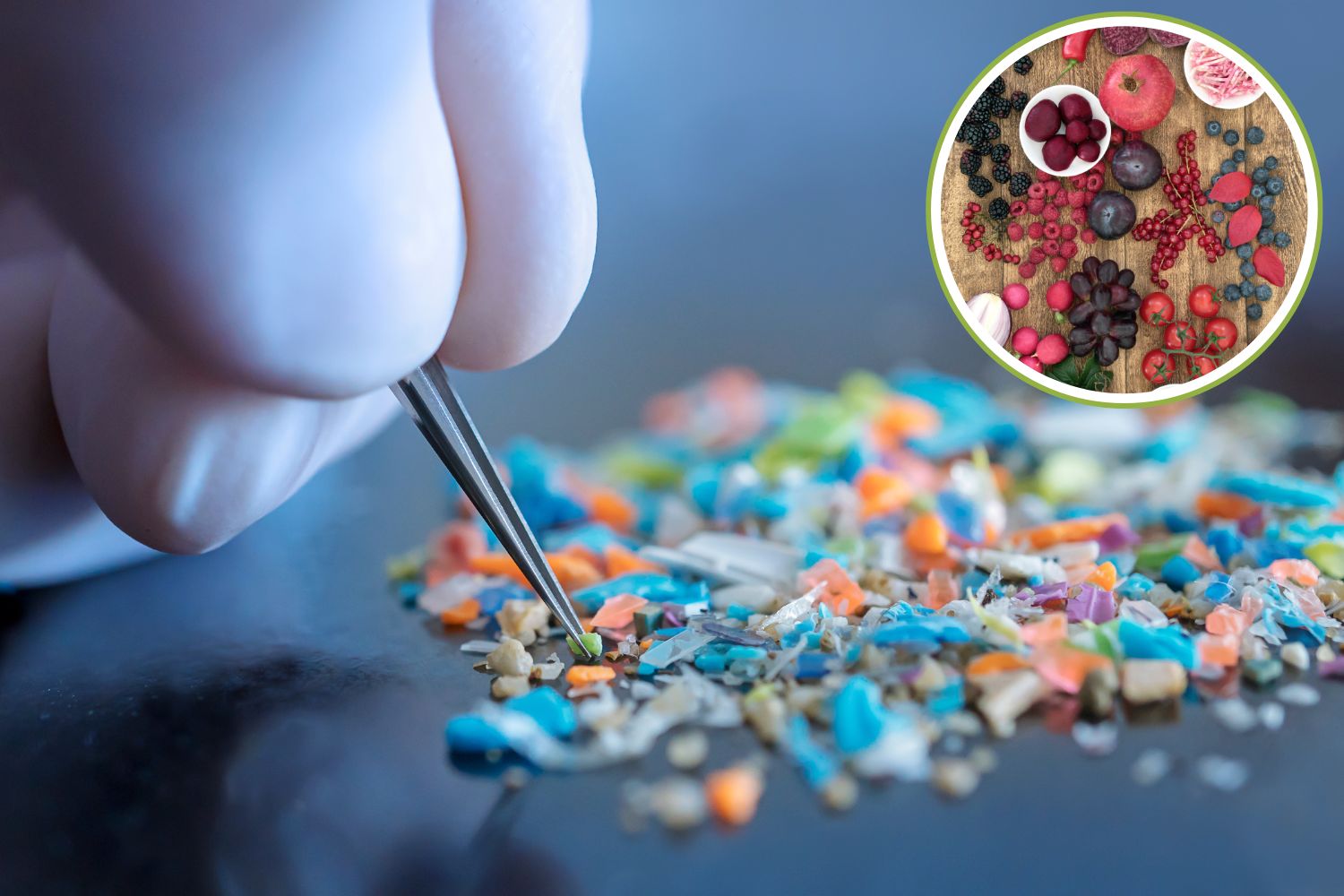
Microplastics, omnipresent in the environment and in our body, are also a threat to reproductive health. However, new research suggests that some natural antioxidants can contrast the toxic effects of microplastics on hormones and fertility
Are you poisoning yourself without knowing it? Microplastics are everywhere: in the air, in food and even in your body. Recent studies they detected the presence in the blood, in breast milk, in the placenta and even in the testicles.
But what are the effects on health? Research suggest that these particles can alter the endocrine system e compromise both male and female fertility.
A new study published on Journal of Pharmaceutical Analysis It highlights how microplastics can reduce testosterone and estrogen levels, decrease the quality of the sperm and cause damage to ovarian tissues. These effects seem to be linked to oxidative stress and inflammation that plastic particles trigger in the body.
Anthocyanins: the natural response to plastic pollution?
If microplastics are a growing problem, science is looking for solutions to counter its effects. Among the most promising molecules, the anthocyaninsnatural antioxidants who give fruit and flowers their bright colors. Present in foods such as Blueberries, Ribes, aubergines and red grapesanthocyanins have already shown beneficial properties for the cardiovascular system and the metabolism.
The study found that antochians can protect the reproductive system from the toxic effects of microplastics. In particular, it seems that they can preserve the integrity of the blood-toilet barrier, protect ovarian fabrics and normalize the hormonal levels compromised by the chemicals contained in plastics.
What the research says
Experiments conducted on animal models have shown that the mice exposed to microplastics and then treated with anthocyanins showed a Improvement in the quality of spermwith an increase in the number and motility of the spermatozoa. In addition, the anthocyanins have reduced the damage to the testicles and contributed to the restoration of testosterone production.
Even for female health, the results are promising: the treatments with anthocyanins seem to protect hormonal receptors from endocrine interfering contained in plastics, preventing inflammation of the ovarian tissue and maintaining balanced hormonal levels.
One of the most studied anthocyanins, the cianidine-3-glucoside (C3G)showed particularly positive effects in Restoration of testosterone production and in the Leydig cell protectionfundamental for the synthesis of male hormones. In addition, studies have shown that sperm levels they can increase up to 30% in subjects treated with anthocyaninswhile Spermatic motility improves 25% compared to untreated groups.
As for female fertility, microplastics tend to reduce estrogen levels and increase inflammatory phenomena in the ovaries. However, the administration of anthocyanins showed a significant reduction in the inflammation and a normalization of hormonal levels, suggesting a key role in the protection of the ovarian function.
A future of prevention through nutrition
These results suggest that a diet rich in food containing anthocyanins could help mitigate the negative effects of microplastics pollution. Regularly integrate berries, grapes and purple vegetables in one’s diet could represent one Natural strategy to protect reproductive health.
The emerging data suggest that regular consumption of anthocyanins could reduce the toxic effects of microplastics of up to 40%, representing a promising option for the prevention of long -term reproductive damage. With further studies and insights, the role of antioxidants in contrasting plastic pollution could become one of the most relevant discoveries for the public health in the coming years.
