
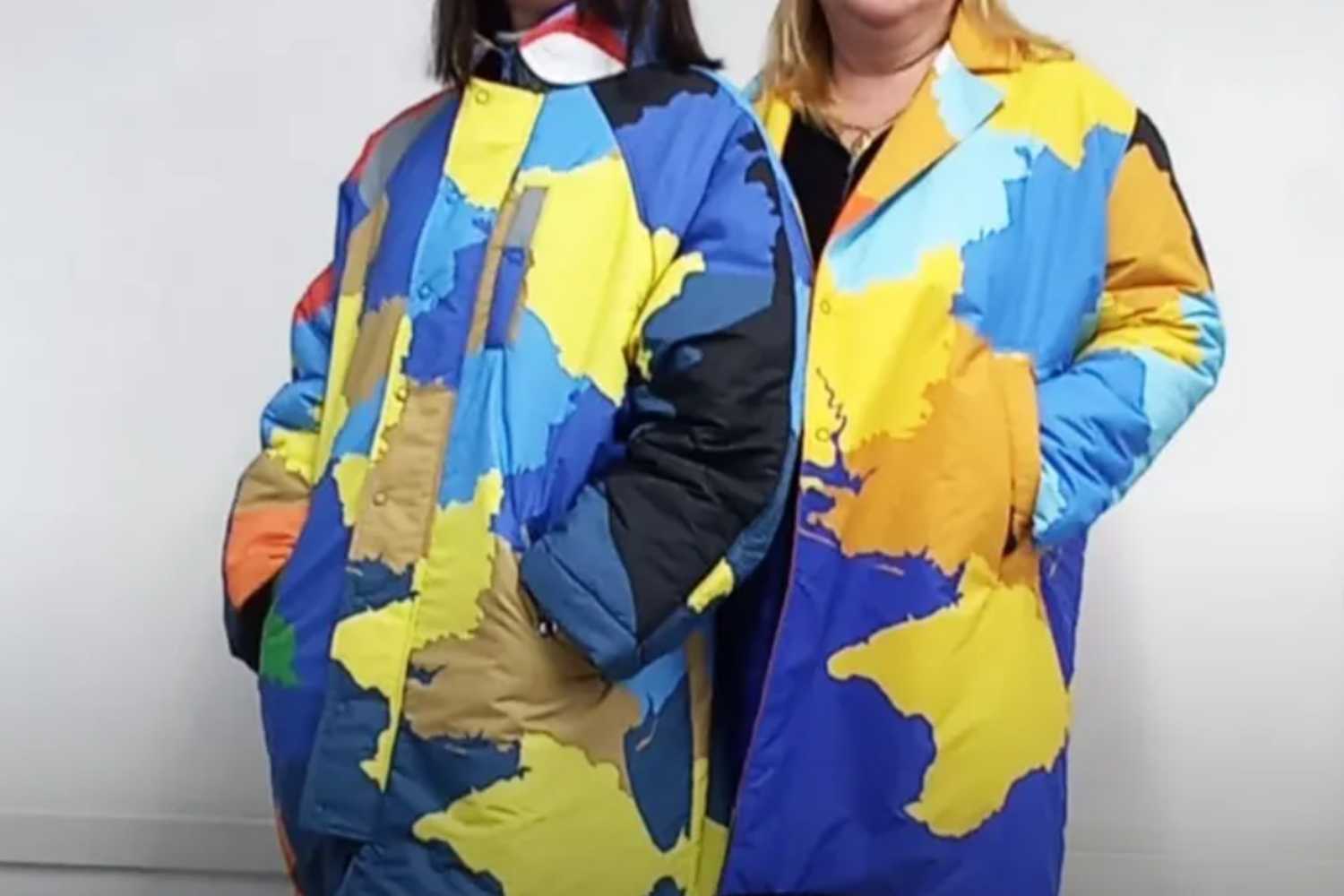
At the gates of the Milan Cortina 2026 Winter Paralympics, a new case that intertwines sport and geopolitics explodes. The Ukrainian delegation will not be able to parade in the uniform presented on social media, because the complete map of Ukraine appears on the chest, including Crimea and Donbass.
The decision came from the International Paralympic Committee, which judged the graphics not to comply with the regulations. According to the international body, the image of the national territory is one of the prohibited elements, as it can potentially be interpreted as a political message or linked to national identity.
View this post on Instagram
The principle of neutrality and the reference to the regulation
The athlete attire policy prohibits anthem lyrics, slogans, motivational words and symbols that may be considered divisive. For the IPC, this category also includes a cartographic representation of the country. The line is clear: preserve the neutrality of the competition, preventing the competition field from becoming a stage for claims. A choice that rekindles tensions that have never subsided since the Russian invasion of 2022 and that brings the delicate balance between expressive freedom and sporting regulations back to the center.
Kiev’s reaction
The response from the president of the Ukrainian Paralympic Committee, Valeriy Sushkevych, was very harsh. According to the leader, banning that currency means preventing Ukraine from presenting itself as a state in its territorial integrity, without occupations. Words that transform a formal question into a new chapter of the political conflict that crosses international sport. For Kiev, the map is not propaganda but identity. For the IPC, however, it remains a symbol not allowed on the competition ground. Two irreconcilable readings that clash a few days before the start of the Games.
The precedent at the Olympics with Vladyslav Heraskevych
It is not the first episode involving Ukraine during the Milan Cortina Games. In fact, on the occasion of the Winter Olympics, the skeletonist Vladyslav Heraskevych was forced to give up a helmet bearing the faces of athletes and coaches who died in the war. Even in that case the International Olympic Committee intervened, recalling the ban on political expressions or propaganda. The athlete was later disqualified. Two distinct episodes, same central point: where does sporting neutrality end and where does the right to represent one’s history begin?
You might also be interested in:
