
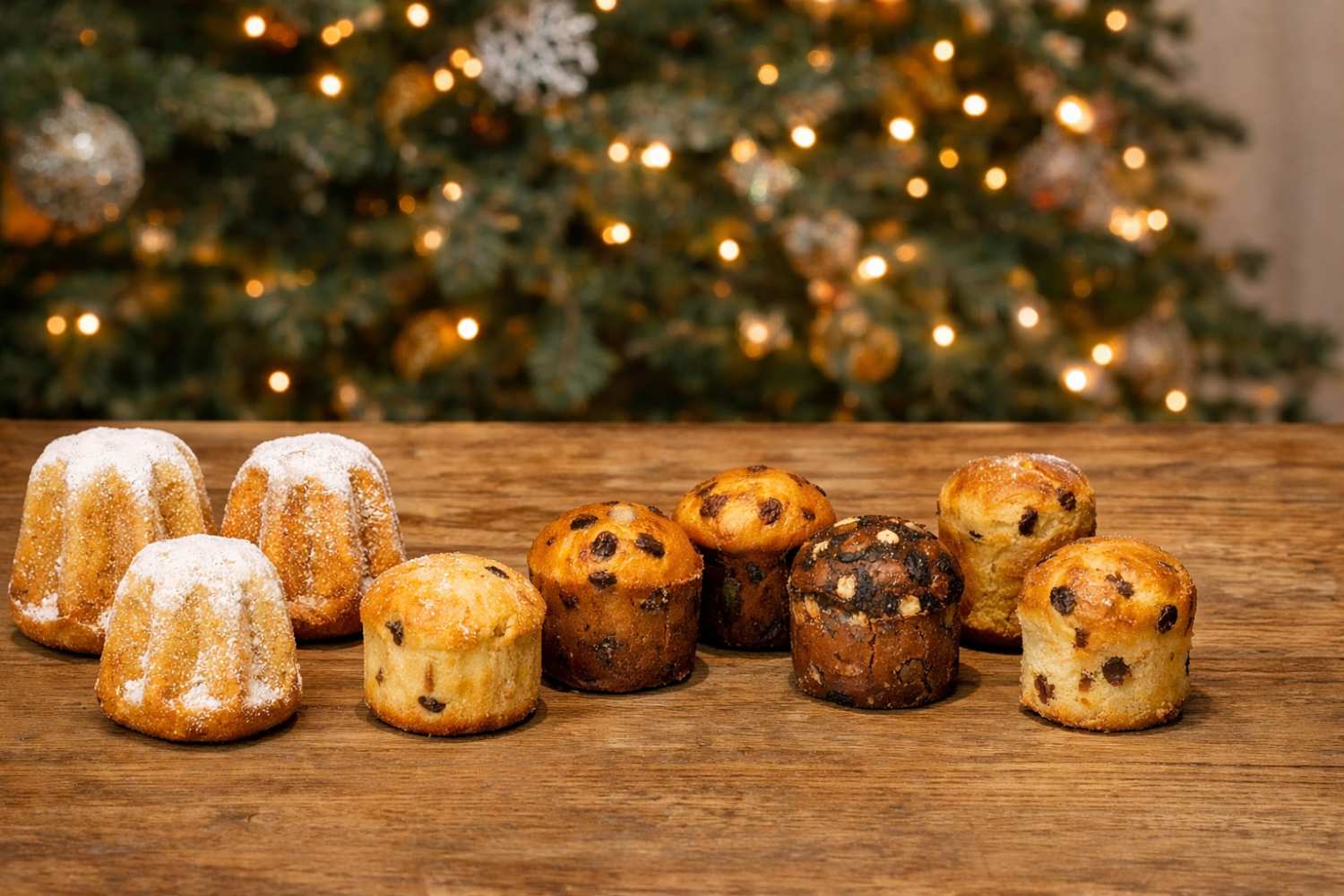
The Lifesaver brought 13 packs of Christmas sweets in mini versions to the laboratory: panettone and pandoro that we find displayed in supermarkets these days, sometimes enclosed in packs with cartoon characters or football team symbols. Therefore products which, due to their format and presentation, are often aimed at children.
These are the desserts sampled:
The analyzes on all products were conducted by the FoodLab laboratories of the Federico II University of Naples, with the aim of verifying the presence of 17 different mycotoxins. The quality of the ingredients used was then also evaluated.
Let’s see what emerged.
The results
On the microbiological safety front, the results are reassuring. No trace of DON (deoxynivalenol), the mycotoxin often found in wheat, nor of the dangerous carcinogenic aflatoxins was detected. Even the T-2 toxin, which is particularly aggressive for the organism, was absent in all samples.
But not all the panettoncini and pandorini were completely “clean”: traces of enniatins emerged in some products, substances under observation by the European Food Safety Authority, which has not yet established specific limits due to a lack of sufficient data on their toxicity.
Zearalenone, a mycotoxin with endocrine disrupting activity, was identified in five out of thirteen products, but always in quantities lower than the threshold established for children (20 mcg/kg).
But the biggest critical issues emerge when examining the list of ingredients. All 13 products contain mono and diglycerides of fatty acids (E471), emulsifiers which according to recent research could damage the intestinal microbiota of the little ones. A 2024 Paris study also linked these additives to a higher risk of developing tumors.
Several panettoncini contain glucose-fructose syrup, particularly risky in the liquid form because it can overload the liver and promote childhood obesity, very different from the fructose naturally present in fruit.
Some desserts use eggs, milk and rehydrated powdered butter, instead of fresh versions, lowering the overall nutritional quality and taste of the products. Finally, in some cases, various additives are added, including colorants.
The two worst products
The two worst products in the test turned out to be the Carrefour chocolate panettone which stands out negatively due to the presence of 7 different colourings, a truly excessive number for a product intended for children which did not require this abundance of additives at all. For this it gets a poor score.
The panettone with Bauli chocolate chips was also considered mediocre. Among the pandoros, the worst, but with an average score, was Dolce & Toys.
To find out which panettoncini and pandorini obtained the best scores, we invite you to consult the complete ranking available on the Salvagente website, where you will find more details on the analyses.
