
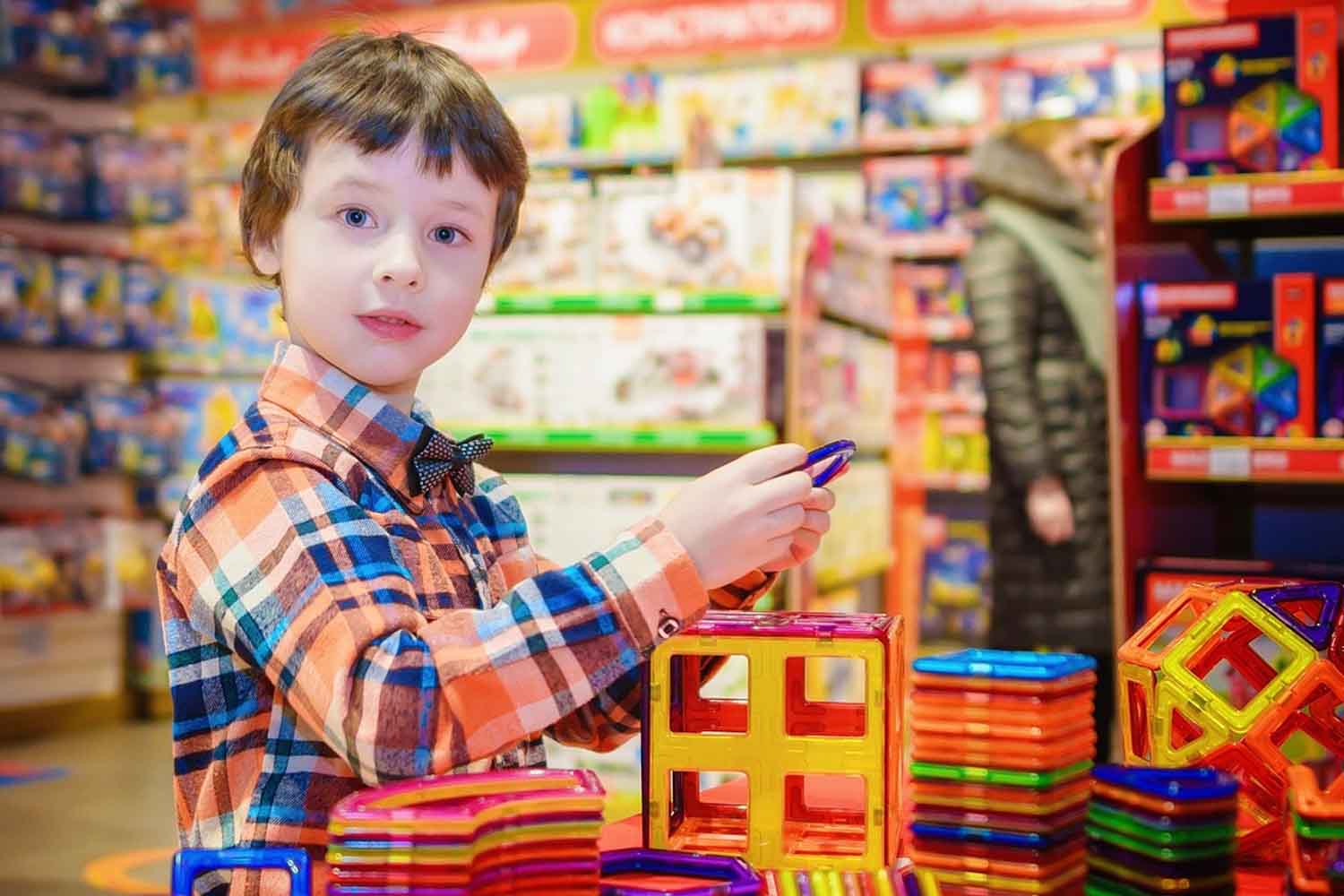
Entering a shop and leaving with a toy now costs very little, at least apparently. It happens every day: a child gets bored, protests, gets agitated. The solution is quick, almost automatic. A colored object, two euros at the checkout and everything goes back to normal. But this habit, so widespread and normalized, is changing the way children learn to value things.
It’s not even a truly intentional action. Our brain is programmed to look for quick solutions to immediate problems, especially when we are tired or under pressure. It works like this for everyone. The point is that this shortcut, repeated over time, risks teaching children much more than we imagine.
The point is not the price itself. It’s the message that gets across. When an object arrives without waiting, without choice, without effort, it becomes easily replaceable. If it breaks, it doesn’t matter. If it is forgotten, it is not a problem. And so the game loses meaning, turning into rapid consumption.
When everything is easy, nothing is really worth it
From an educational point of view, often buying small games to “keep your children quiet” seems like a harmless shortcut. In reality, it accustoms children to a specific idea: every desire can and must be satisfied immediately. There is no room for waiting, for the desire that grows, for taking care of the object once obtained.
Psychologists and educators have long talked about the devaluation of experience. A toy bought effortlessly does not require attention, does not stimulate responsibility. The child does not learn to look after it, to repair it, to make it last. Instead, learn that everything is temporary and replaceable. It’s a quiet, but powerful learning.
Less games, more games
Scientific research also confirms this intuition. A study published in the journal Infant Behavior and Developmentconducted by the University of Toledo, observed the behavior of children between 18 and 30 months during free play. Some had few toys available, others many more.
The result was clear. Children with fewer objects played longer, were more focused and more creative. Faced with a limited choice, they stopped, explored, invented. Instead, abundance produced constant distraction, rapid switching from one game to another, and superficial involvement.
According to researchers, too much stimulation can create sensory overload, reduce attention span and make the game fragmented. It is not only a cognitive issue, but also an emotional one: an environment saturated with objects makes it more difficult to develop a relationship of care and responsibility towards what you own.
Educate without realizing it on disposable consumption
The question, at this point, is inevitable: are we raising happier children or just precocious little consumers? The risk is not raising spoiled children, but adults who struggle to give value to things, time, relationships.
The good news is that you don’t need to be perfect parents. Just be a little more aware. Our brains, and those of our children, are attracted to quick solutions and immediate gratification. It’s normal. But when we know this, we can slow down.
We can stop for a moment before buying yet another game, ask ourselves if we really need it or if we are just trying to extinguish a moment of fatigue. We can choose fewer objects and give them more space, more time, more meaning.
You might also be interested in:
