
The world’s cultural heritage is fragile. A broken window in the middle of the night is enough to put centuries, sometimes millennia, of history at risk. In recent times there has often been talk of thefts in museums, of works disappearing into thin air, of investigations that drag on without outcome. Yet, every now and then, news arrives that restores confidence: four ancient Egyptian artefacts stolen in Australia have been recovered in record time.
It happened in Queensland, where theAbbey Museum of Art and Archaeology he ended up in the sights of a thief who, according to what was reported by the local police, broke into the structure around three in the morning, breaking a window and taking away some objects of inestimable historical value.
What could have turned into yet another dark chapter in the illicit trafficking of cultural goods instead had a different epilogue.
The theft at the Abbey Museum and the arrest of the suspect
The shot was quick, almost surgical. The man forced entry and walked away with various finds, leaving behind the silence and concern of those who, every day, work to preserve the memory of humanity. But the escape did not last long. The next day, law enforcement tracked down Miguel Monsalve, spotted near a ferry terminal on Russell Island. The stolen artifacts were in his camper.
The arrest was made immediately and the man is now in pre-trial detention without the possibility of bail, on charges including break-in, illegal entry and three counts of voluntary damage.
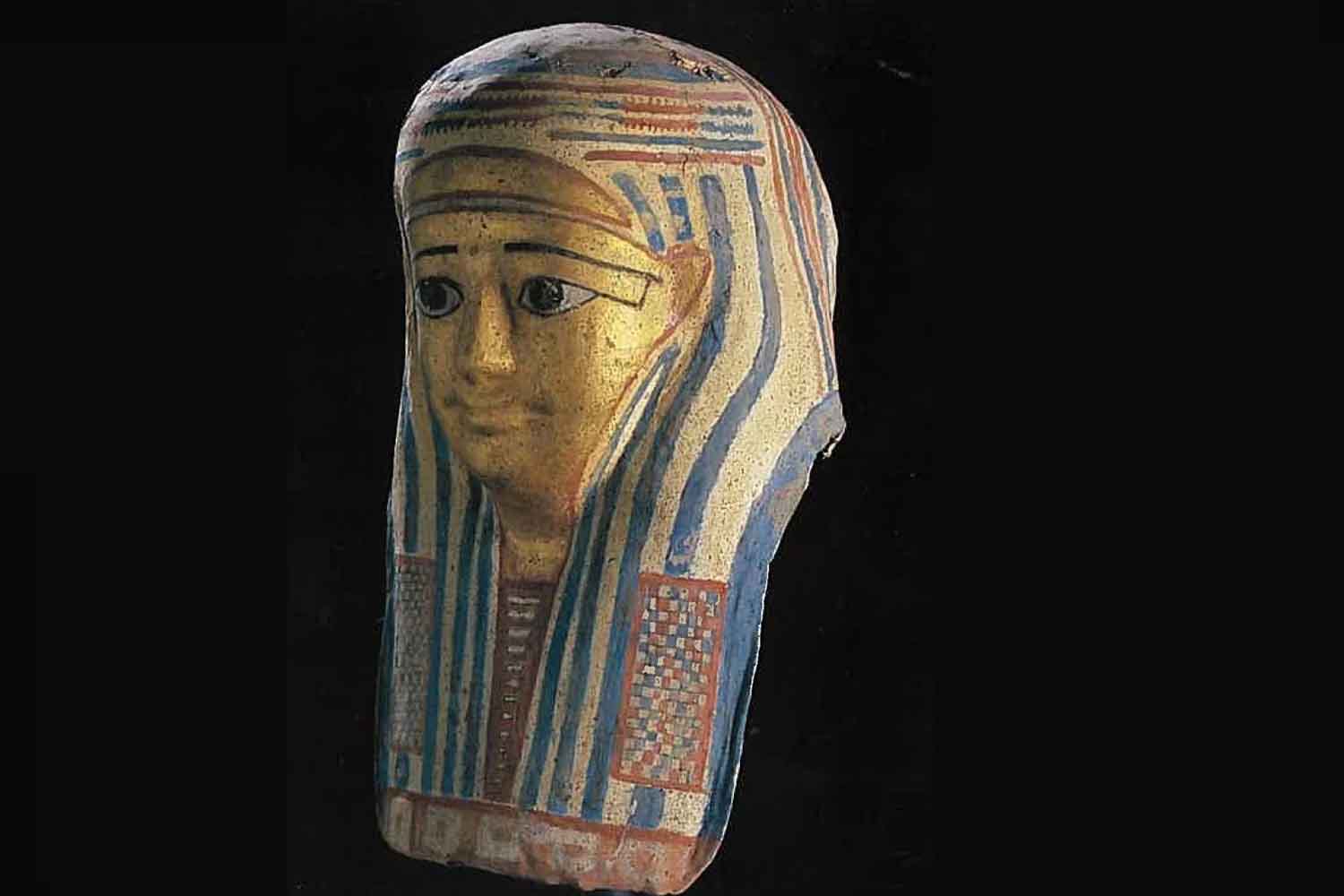
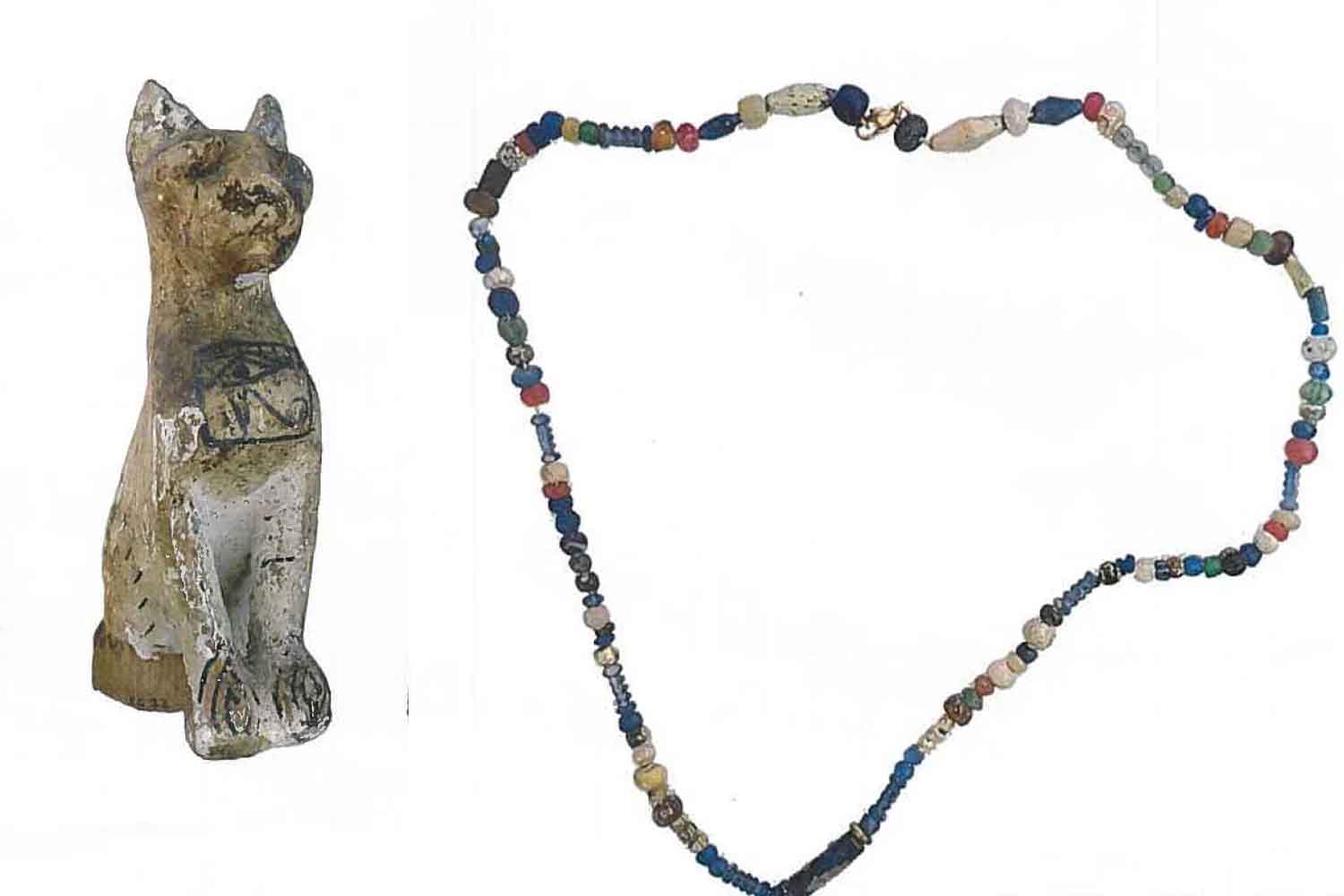
Among the stolen objects are extremely precious testimonies of Egyptian civilisation. There was a cat statuette dating back about 2,600 years ago, a very powerful symbol in Egypt, where the feline was associated with protection and divinity. There was a funerary mask intended to adorn the mummified face of a nobleman, an element that tells of the profound relationship between spirituality, death and afterlife in ancient Egypt. And also a beaded necklace and a collar from around 3,300 years ago, refined examples of craftsmanship and cultural identity.
On the black market for antiquities, their value could have reached $100,000. A figure that makes your head spin, but which says little about the real value of these objects: their historical, educational and symbolic meaning.
During the theft the finds suffered slight damage, which may have significantly reduced their economic value. Much more serious would have been prolonged exposure to the external environment, away from controlled conditions of temperature and humidity. The curators of the museum, speaking through ABC News Australia, recalled that these objects are kept for educational purposes, for the benefit of the community and the State of Brisbane, and that exposure to the Australian climate could have caused irreparable damage.
When it comes to archaeological heritage, conservation is everything. A temperature excursion, an inadequate humidity level, an improvised transport can definitively compromise materials that have gone through thousands of years.
A million years of history to protect
THE’Abbey Museum of Art and Archaeology boasts a collection that spans “one million years of human history.” These are not just objects displayed in a display case, but concrete fragments of civilization that help us understand who we are and where we come from.
The recovered Egyptian artefacts will now return to their place, after checks on their state of conservation. They will resume their silent and very powerful role: telling, teaching, connecting generations distant in time.
In an era in which the illicit trafficking of works of art continues to impoverish global cultural heritage, this case demonstrates how fundamental it is to protect museums, archives and archaeological sites. Each stolen artifact represents an interrupted story, a page torn from the collective book of humanity.
And perhaps, precisely for this reason, knowing that four testimonies of ancient Egypt have returned home offers a small sigh of relief. Because defending memory also means defending the future.
