
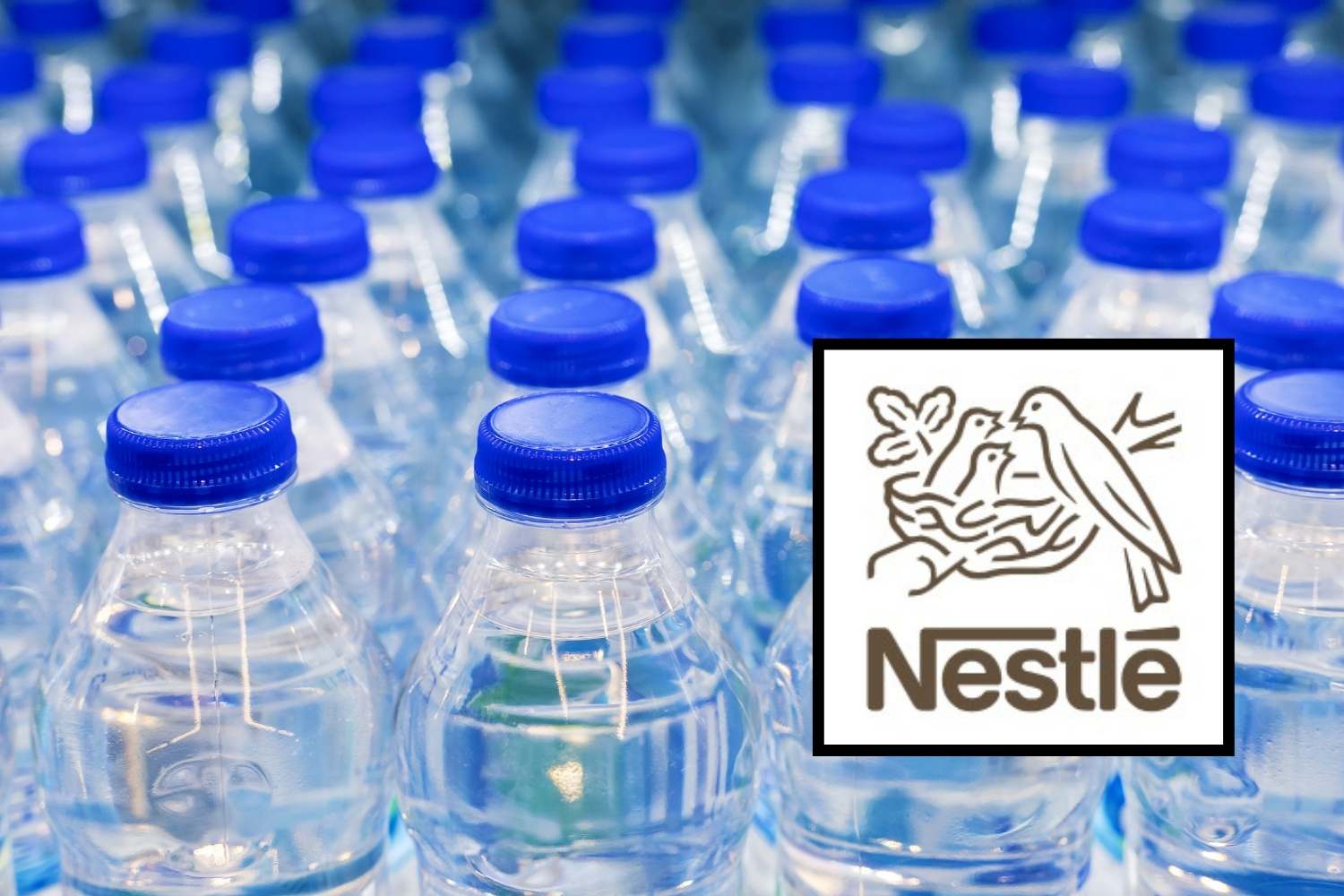
After the scandal of contaminated mineral water that hit Nestlé in France and put under pressure known brands Perrier and Vittel, the Swiss multinational seems ready to turn the page. The company has in fact decided to give at least a part of its division Nestlé Waters And he commissioned Rothschild to evaluate the options for a possible sale, in an operation that could exceed 5 billion euros.
Nestlé could therefore soon say goodbye to a historical part of his business. According to several sources, including Reuters and Foodnavigator, this strategic move is part of a larger renovation plan wanted by the new CEO Laurent Freixe, which aims to focus on high margin brands such as Kitkat, Nescafé and Nespresso.
San Pellegrino and Perrier on the negotiation table
The division affected by the Scorporo, operational as an autonomous entity from 1 January 2025, includes iconic brands such as San Pellegrino, Perrier and Vittel. Some of these brands may be totally or partially transferred. Nestlé has not excluded the possibility of maintaining a minority share in the new entity, thus opening strategic future partnerships.
Among the potential buyers, there are large private equity funds such as Platinum Equity, Blackstone, One Rock Capital, Pai Partners and Clayton, Dubilier & Rice.
Why does Nestlé gives up its mineral waters?
Although mineral water still represents a significant segment of the Nestlé portfolio, in the first quarter of 2025 it generated less than 4% of the group’s overall turnover. In addition, the sector is increasingly exposed to environmental criticisms, linked to the scarcity of water resources and the impact of disposable plastic. It should not be forgotten, as we have already said, that in France the Perrier brand is at the center of disputes related to the safety of sources.
Nestlé has already sold its activity linked to water in North America in 2021 for 4.3 billion dollars. The current sale would therefore represent a further step in the disposal of the water sector.
What will happen to historical brands like San Pellegrino? For now, it is not yet clear whether San Pellegrino and Perrier will be sold in full or if Nestlé will maintain an active participation in their management. What is certain is that the Swiss multinational wants to lighten the activities considered less strategic, while trying not to completely lose control on the value brand recognized globally.
With this possible transfer, Nestlé is preparing for a new structure that sees it increasingly oriented towards high profitability products. Given the times, the mineral water – once the flagship of the offer – could soon pass by hand. It remains to be seen if the interest of the investment funds will turn into a concrete offer and what Nestlé Waters’ future will be.
