
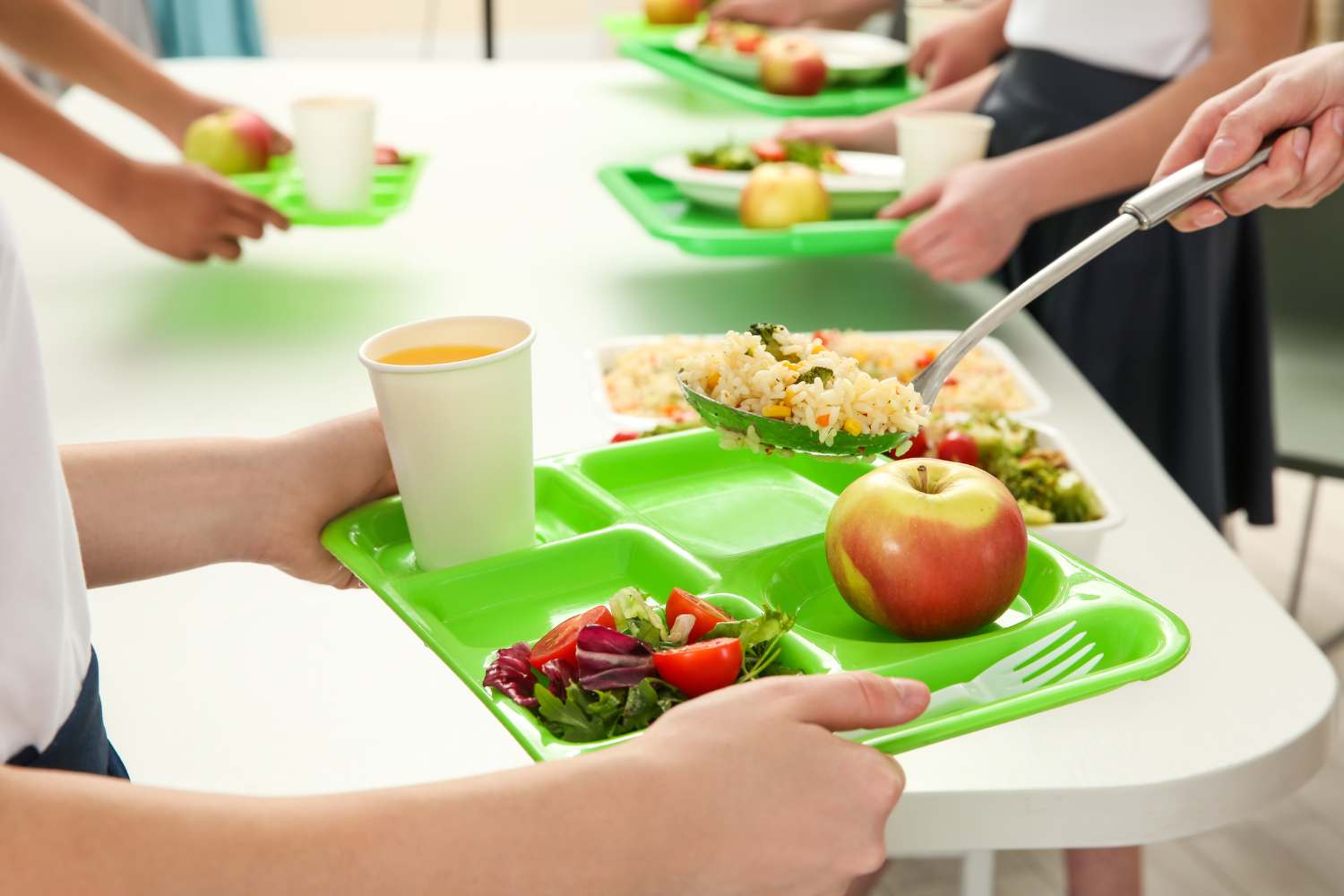
Spain has decided to transform its school canteens: via ultra -prompt foods, more space for fruit, seasonal vegetables and organic products to combat obesity and inequalities
With a new ambitious and far -sighted decree, Spain is ready to change its school canteenstransforming them into real food education laboratories. A turning point awaited for years that promises not only healthier meals for millions of students, but also a positive impact on public health, environment and local agriculture.
The numbers are clear: according to the last Aladdin study of the Spanish Ministry of Health, 23.3% of children between 6 and 9 years of age are overweight and 15.9% are obese. A worrying picture that pushed the government to act decisively. The new Royal Decree, announced by the Minister of Social Rights, Consumers and the 2030 Agenda Pablo Bustinty, aims to contrast this emergency through the most powerful weapon: daily food education, starting with what children and young people eat at school.
The main news
The provision provides for a series of concrete and binding measures for all schools, public, private and affiliated. Here are the key points:
A real revolution that aims not only to improve the health of the little ones, but also to strengthen local economies and protect the environment.
Canteens as spaces of learning and social justice
The decree is not just a question of public health. As Businty pointed out during her visit to the Valenciano Horta Cuina program, already virtuous example of sustainable school catering, “”Schools can be fundamental spaces to acquire healthy and sustainable habits“.
The minister also highlighted another crucial aspect: that of social inequalities. Guarantee five healthy meals per week for all students In fact, it also means allowing those who come from low -income families to access quality food, without discrimination.
The reform represents a forward -looking investment: in the health of children, in the well -being of farmers, in the reduction of waste and in social equity. And, no small thing, lays the foundations for a lasting cultural change.
What Spain is doing is a concrete and courageous example of public policy oriented towards the common good. A model to be observed carefully also in Italy, where too often there has been talk of school nutrition without being able to put in place structural and incisive reforms. The hope is that the change, which started from Madrid, can also inspire other European countries, including Italy, where there are already guidelines but still not binding.
