
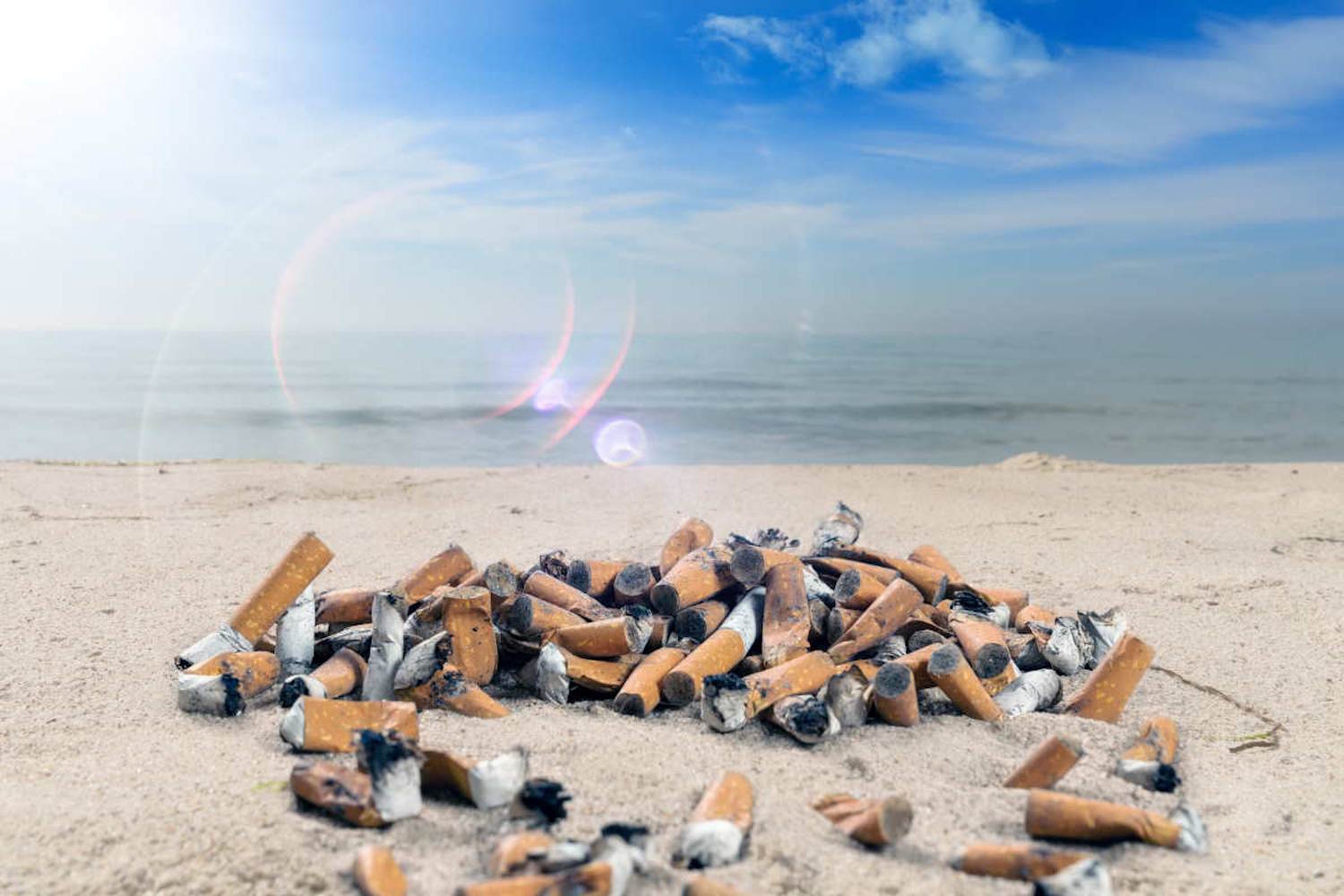
On the beaches of the Roman coast of Ostia, Capocotta and Castel Porziano, a squeeze is taking shape that is destined to change summer habits. In fact, a proposal is moving forward in the Capitol which aims to introduce a smoking ban on the beach, with the declared aim of reducing butts on the sand, limiting passive smoking and improving decorum.
The green light from the Environment Commission represents a first political step, but the final decision will be up to the Capitoline Assembly. If approved, the measure could already be included in the 2026 seaside ordinance, transforming the Roman summer into a test of coexistence between individual freedom and the protection of public space.
Cigarette-free shoreline and areas dedicated to smokers
The measure aims to ban traditional cigarettes, e-cigs, cigars and heated tobacco devices at least on the shoreline, within a few meters of the water. At the same time, concessionaires should set up marked smoking areas, with multilingual signs and clear instructions for tourists and residents. The goal is to avoid a punitive ban and build more orderly management of the beach. The model looks at international cities where the coast is already smoke-free, with light controls but visible rules.
Environment, health and image: the reasons for the squeeze
Behind the proposal there is an unusual political convergence, united by two priorities: public health and environmental protection. Cigarette butts, among the most widespread waste on the beaches, often end up in the sea, contributing to coastal pollution. But the issue also concerns the quality of the seaside experience: less smoking near children, cleaner beaches, greater tourist attractiveness. The measure, in this perspective, becomes a cultural signal: transforming the sea of Rome into a more regulated and more cared for space.
The real challenge: enforcing the ban
The decisive step will not be approval, but concrete application. Without minimum controls, widespread information and collaboration of managers, risk is a symbolic norm. If, however, the Campidoglio accompanies the ban with operational tools, Ostia could become an urban laboratory: fewer butts in the sand, fewer conflicts between swimmers, more attention to the common good. Summer 2026 could mark a change of pace, with the Roman coast at the center of a divisive transformation, but it promises to redesign the face of its beaches.
You might also be interested in:
