
Carnival 2026 is coming to an end, Shrove Tuesday is the last call before the curtain falls and the joy of masquerade parties leaves room for the liturgical calendar, with Ash Wednesday and the beginning of Lent, awaiting Holy Easter. Precisely on the occasion of the final day of the Carnival we want to talk about the typical Calabrian desserts, with a list of ingredients and advice on preparation regarding the pignolata, the chiacchiere, the castagnole, the graviuòli and the chjina.
Fussy
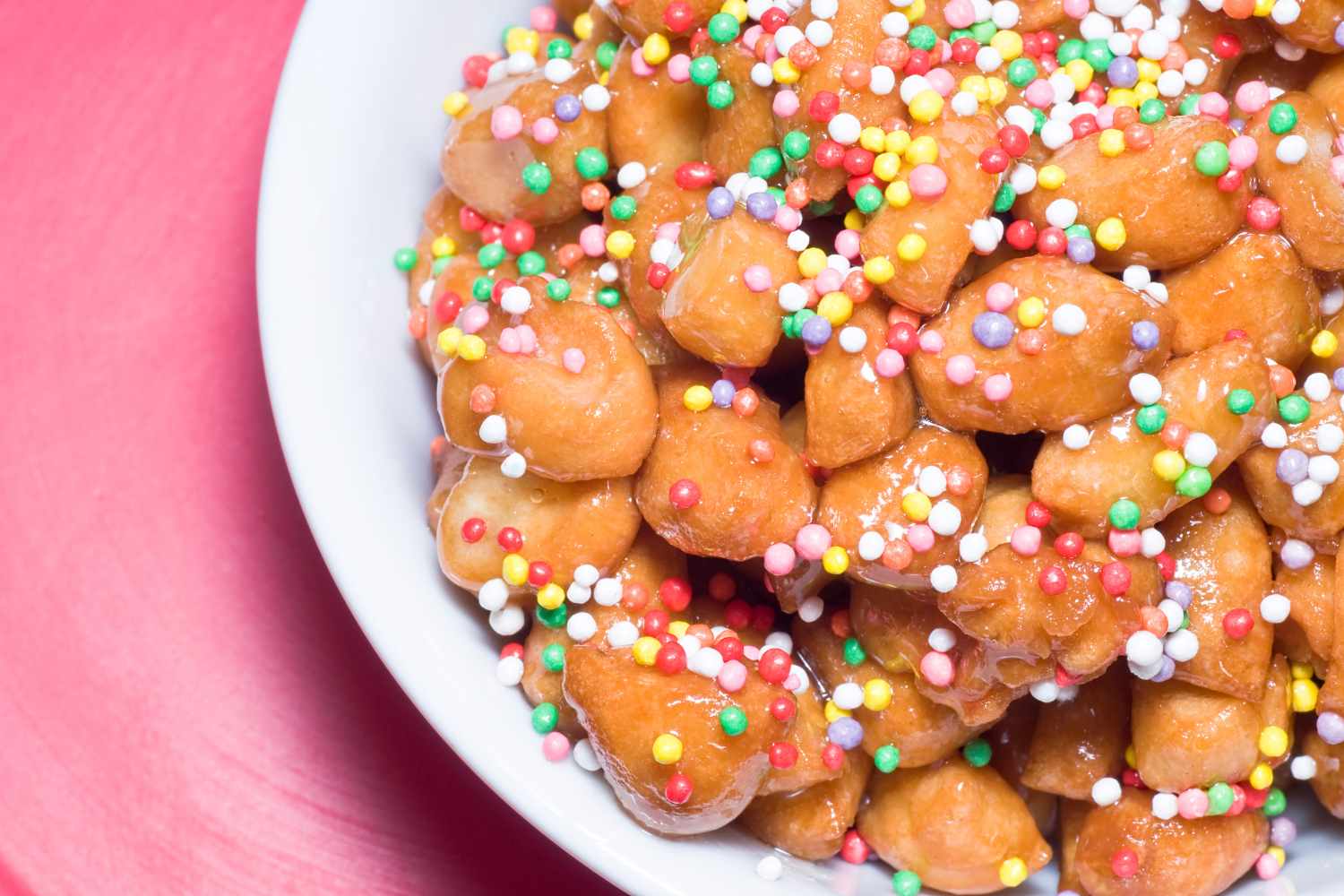
Among the symbols of the Calabrian Carnival, the pignolata stands out, a specialty particularly widespread in Reggio Calabria. It looks like a set of small spheres of fried sweet dough, whose name recalls the final shape: a composition that resembles a pine cone. The Ministry of Agricultural, Food and Forestry Policies has included it in the list of Traditional Agri-food Products of Calabria, recognizing its historical and cultural value.
Ingredients:
Preparation:
Pour flour, eggs, butter, sugar, lemon zest and yeast into a bowl. You must work the mixture carefully until you obtain a uniform and compact dough. Let it rest for at least thirty minutes.
Then take the mass again, form cords and cut them into pieces of about one centimeter. Make small balls and fry them in seed oil brought to 170 degrees; 4-5 minutes are enough to reach full browning.
After draining them and letting them cool, heat the honey in a pan, add the balls and mix gently. Arrange them on a plate creating a compact donut and complete with the colored sprinkles.
Small talk
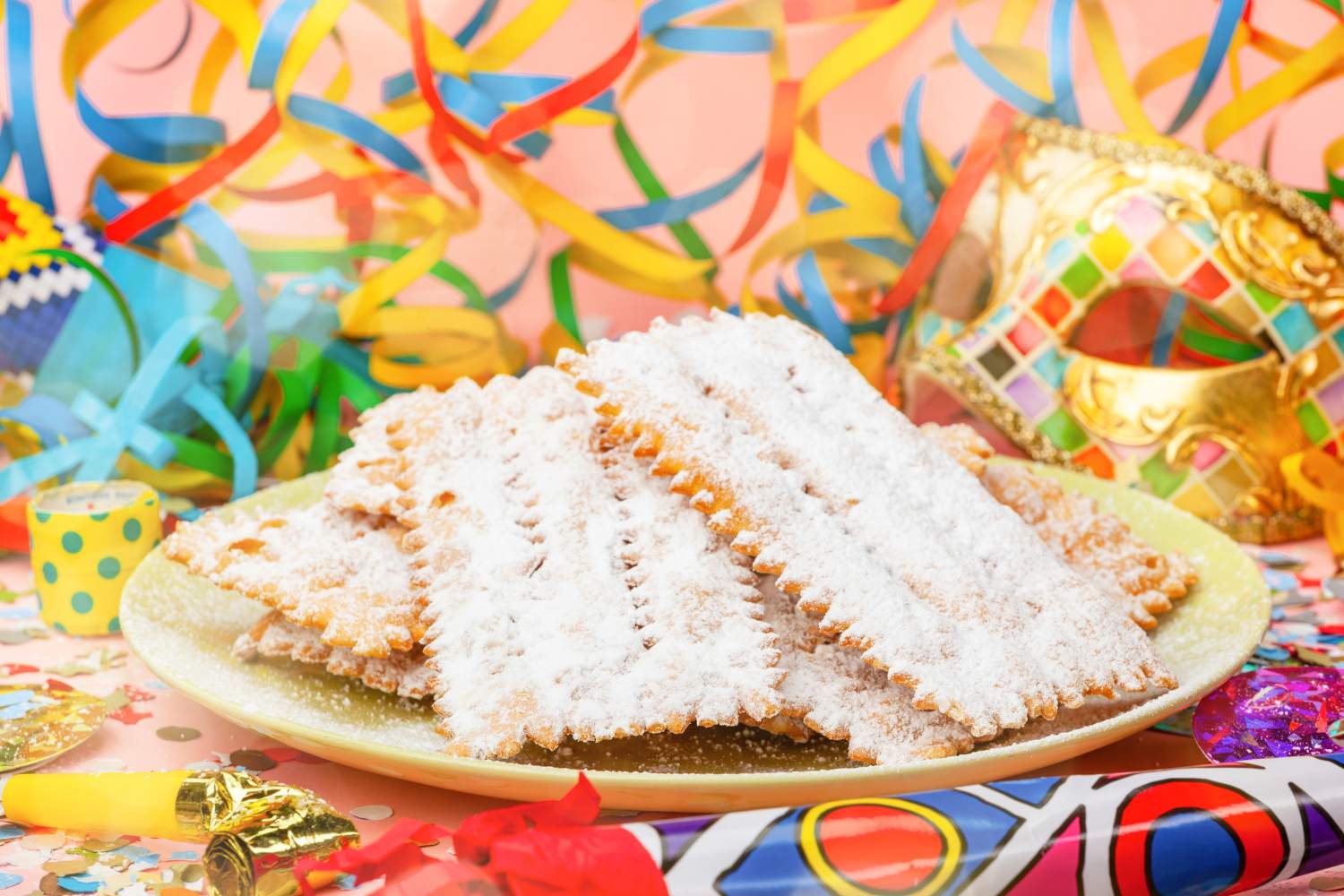
The chiacchiere have their origins in Roman times, when fried sweets celebrated the holidays linked to the end of winter. In Calabria, as in much of the South, they bear this name; elsewhere they become frappe, lies or crustoli. The name changes, but the idea of a thin and fragrant pastry, fried and sprinkled with sugar, remains.
Ingredients:
Preparation:
Make a well in the flour on a pastry board, then add eggs, sugar, lemon zest, softened butter and white wine. You must knead until you obtain a smooth and homogeneous consistency. Wrap the dough in cling film and let it rest in the refrigerator for about an hour.
Once the necessary time has passed, roll out the dough with a rolling pin until you obtain a very thin sheet, then cut regular rectangles and make one or two central cuts on each piece. Fry in oil at 160 degrees, two pieces at a time to prevent them from sticking together.
When they have taken on a golden colour, drain them and let them cool. Finish with a generous dusting of icing sugar.
Chestnuts
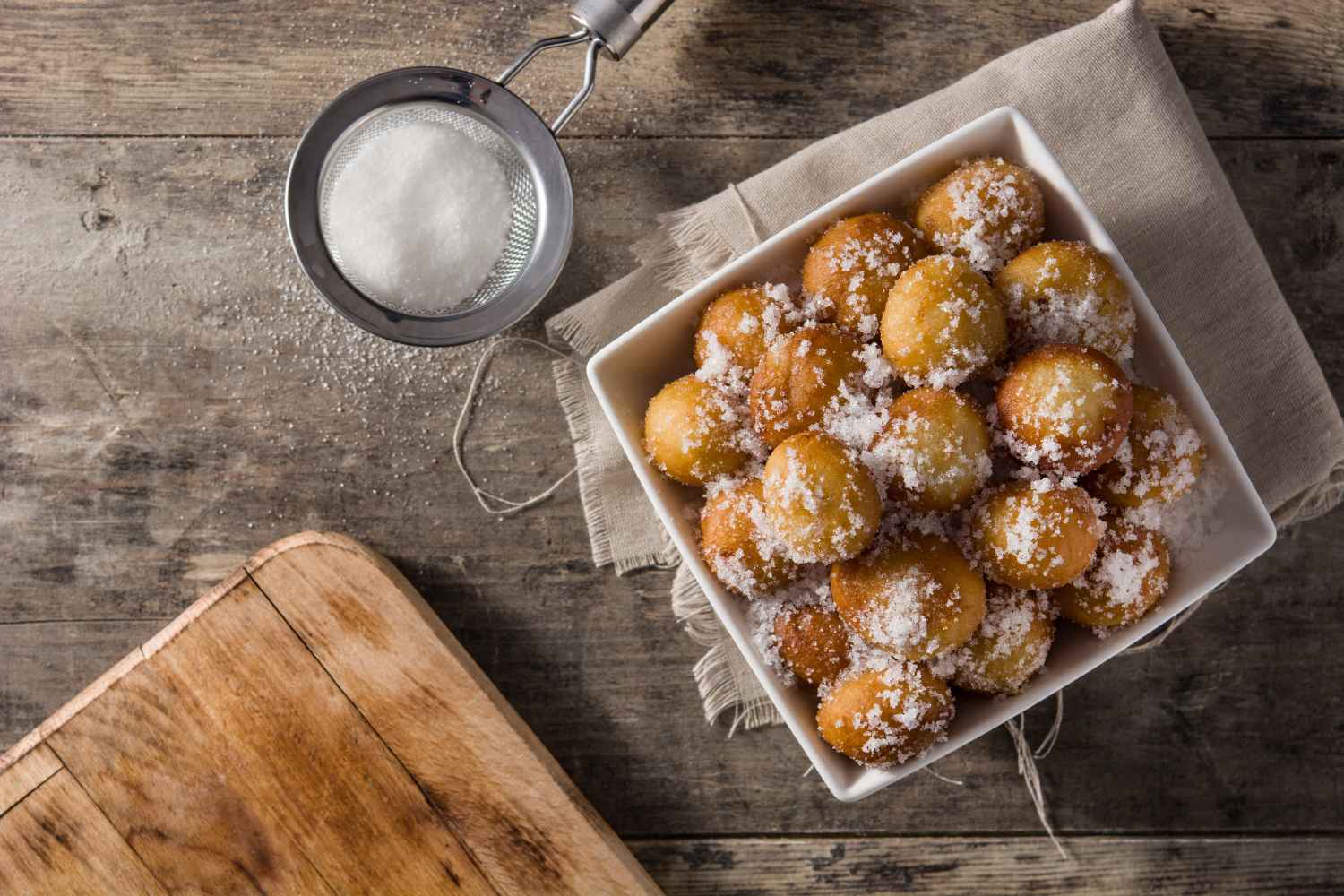
Castagnole are typical in many Italian regions during Carnival. The name recalls its appearance: small golden spheres that resemble chestnuts in shape and shade.
Ingredients:
Preparation:
Take the butter and work it with a spoon, then add the vanilla seeds and lemon zest. Add sugar and eggs, mixing carefully. Incorporate sifted flour and yeast until you obtain a homogeneous mixture.
Bring the oil to 170 degrees and fry a few chestnuts at a time for 2-3 minutes, to ensure uniform coloring. Drain them on absorbent paper and pass them while still hot in granulated sugar.
Graviuoli
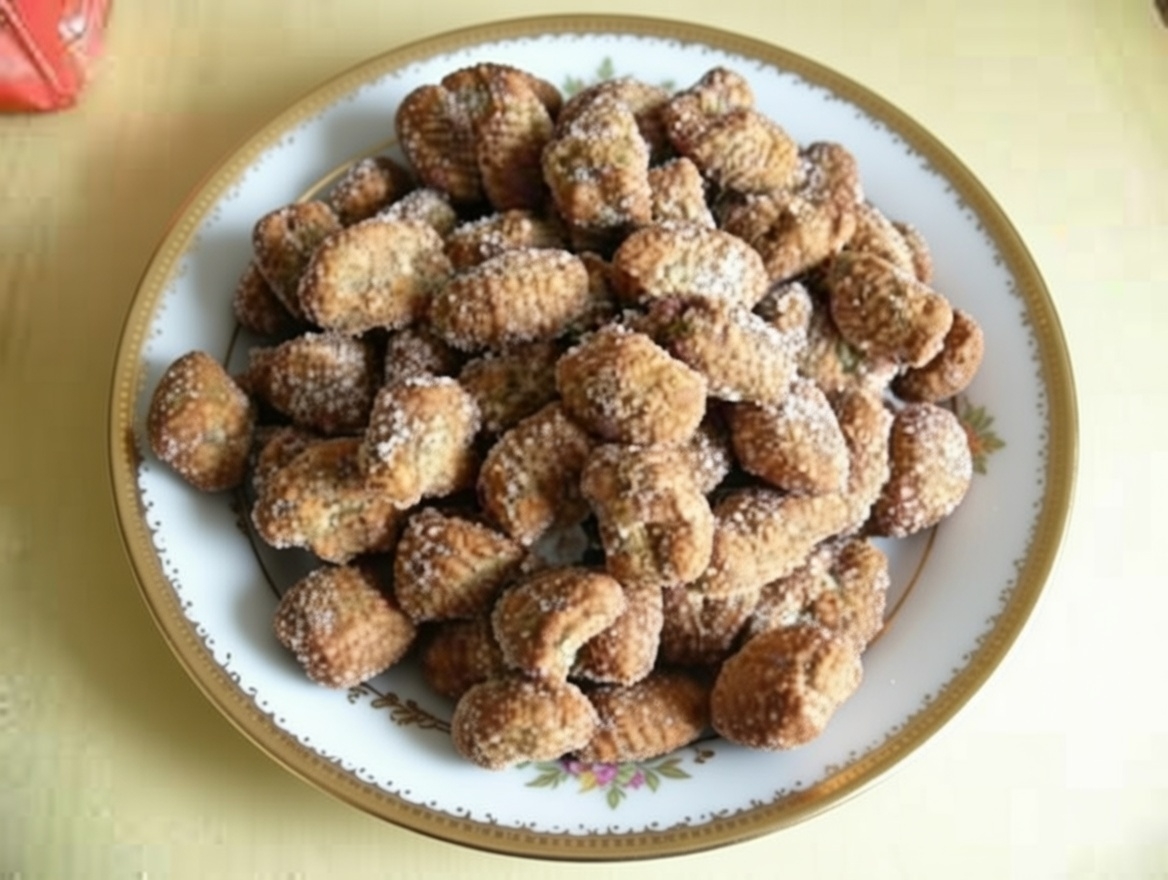
In many Calabrian homes, graviuòli represent the carnival dessert par excellence. They look like small fried dumplings, recognizable by their ridged surface.
Ingredients:
Preparation:
Pour the flour into a bowl and create a central well, then add oil and red wine. You must work until you obtain a soft, elastic and compact dough.
Roll it out and cut small pieces, then pass them on a ridged board, like the one for gnocchi, or use the tines of a fork to create the typical knurling. Fry in hot extra virgin oil until golden brown, then drain on absorbent paper and leave to cool.
Only when they are cold should you dip them in honey or mulled wine; avoid doing it first, otherwise they will absorb too much liquid.
Chjina
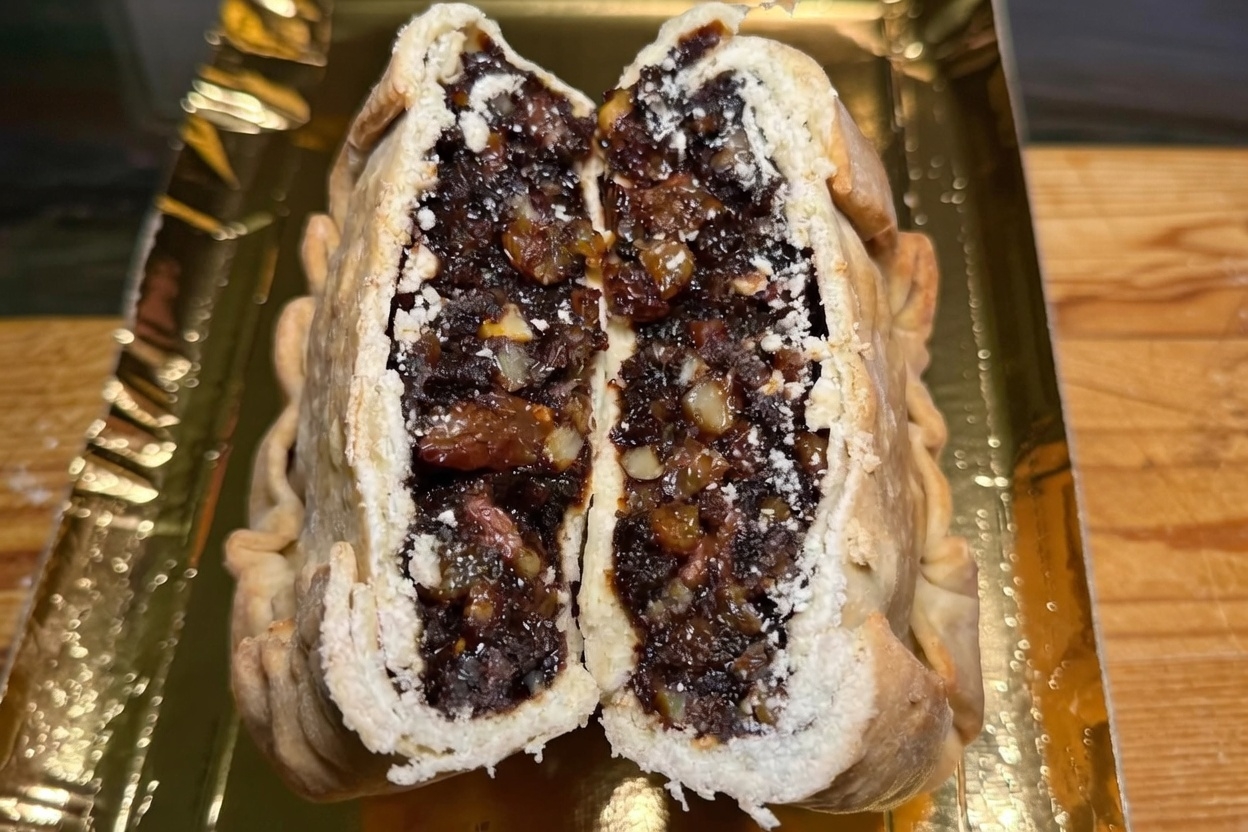
Chjina is considered the oldest carnival preparation of the Calabrian tradition, whose origins date back to the eighteenth century and its diffusion particularly concerns San Fili and the nearby towns, in the province of Cosenza. The name means “full”, an explicit reference to the richness of the filling.
Ingredients for the pastry:
Ingredients for the filling:
Preparation:
Prepare the filling by combining breadcrumbs, well squeezed raisins, walnuts, hazelnuts, chopped chocolate, orange zest, cinnamon, coffee and cocoa. Pour in the fig honey and mix vigorously until you obtain a compact mixture.
For the pastry, melt the butter and mix it with flour, yeast, vanillin, sugar, eggs and milk. You must knead firmly until you reach a smooth and uniform consistency. Let it rest for about an hour.
Roll out a thin sheet of pastry and line a buttered baking tray, leaving the edges slightly protruding. Distribute the filling evenly and cover with a second layer of dough, sealing the edges well. Arrange a few small flakes of lard on the surface and cook in the oven at 200 degrees for about 40 minutes, until the pasta takes on a brown hue.
Happy Carnival!
