
For almost 40 long years, radioactive and chemical waste from an abandoned uranium mine in the province of Córdoba, Argentina, has been polluting the surrounding environment. It is the deposit of Schlagintweitclosed in 1989 and never reopened, a symbol of neglect and lack of responsibility.
The best part is that it is located less than 5 kilometers from a nature reserve and a vital drinking water source for millions of people. Yet, that radioactive waste remained exposed to atmospheric agents, threatening public health and the ecosystem. The rains, winds and ground movements have in fact aggravated an already delicate situation, with the risk of irreparably contaminating the San Antonio river, which supplies water to a large part of the population of the capital of Córdoba.
Furthermore, last September, the news of the rupture of a geomembrane covering the settling dam number 3 of the former mine, caused by winds at 100 kilometers per hour, brought the issue back to the center of attention. But still nothing is moving.
The risks
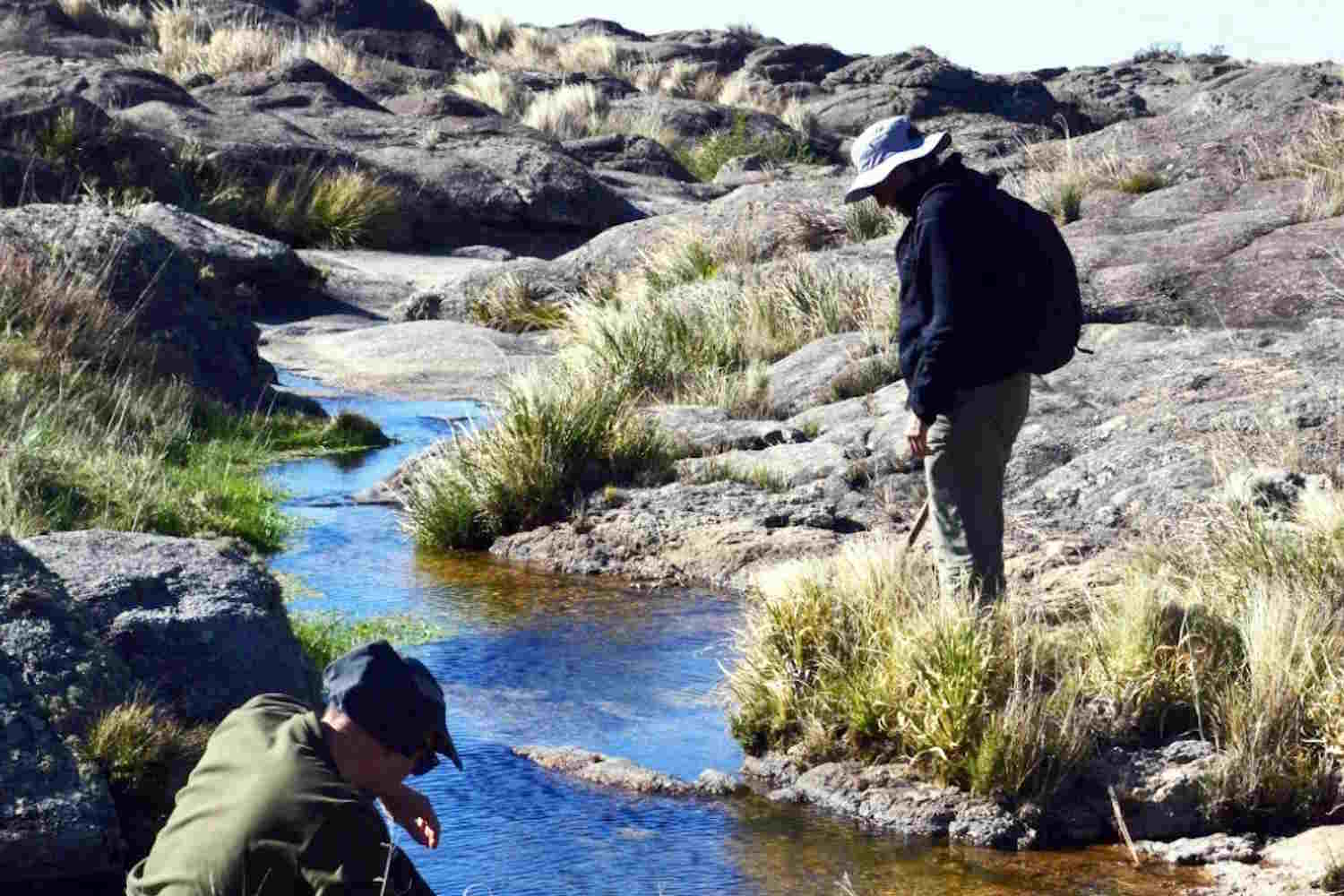
The site of the former mining complex is located in a mountain range crucial for water production: the mine is located within the watersheds that protect the Los Gigantes Natural Water Reserve, specifically the upper basin of the San Antonio River, between the El Cajón and Cambuche streams.
This river provides drinking water to several cities and the San Roque Reservoir, which provides water to 70% of the population of the city of Cordoba, which numbers 1.5 million people. The site has remained virtually unchanged since the 1980s, when it was managed by the construction company Sánchez Granel Ingeniería SA, which had no prior experience in the mining sector.
The problem now is that the mountains of barren rock have moved over the years due to rain and wind. According to the biologist Raúl Montenegropresident of the Foundation for the Defense of the Environment (Funam), winner of the Right Livelihood Award (Alternative Nobel Prize) and former Undersecretary of Environmental Management of the Province of Cordoba, the greatest risk today is that of a “massive collapse”.
Our concern is that, given the global climate situation and electrical storms with large anvils in the area, there is a high probability that atypical phenomena will occur in the upper basin – hundreds of millimeters of rain in a short period – and that this mass of water will enter the mine.
Radioactive waste
Experts maintain that the contamination began when the plant came into operation. Montenegro says the company clandestinely discharged alkaline or acidic substances containing uranium into the Cambuche stream on rainy days. On the other hand, a report presented to the World Bank confirms that many toxic substances were discharged during the mine’s seven years of operation. Nonetheless, epidemiological studies have never been conducted in the area.
In Argentina, National Law n. 25.018 on the Radioactive Waste Management Regime provides for the creation of a fund for the management and final disposal of radioactive waste, but the regulations are still non-existent and scholars like Montenegro argue that, indeed, the cleanup that has been expected for decades is actually not in anyone’s plans.
Can anyone imagine that it could be in the interest of the government of Javier Milei, a climate change denier, for millions of dollars to be used to clean up the Los Gigantes uranium mine?, the experts conclude, provocatively.
Sources: El Pais / Argentine Antinuclear Movement
