
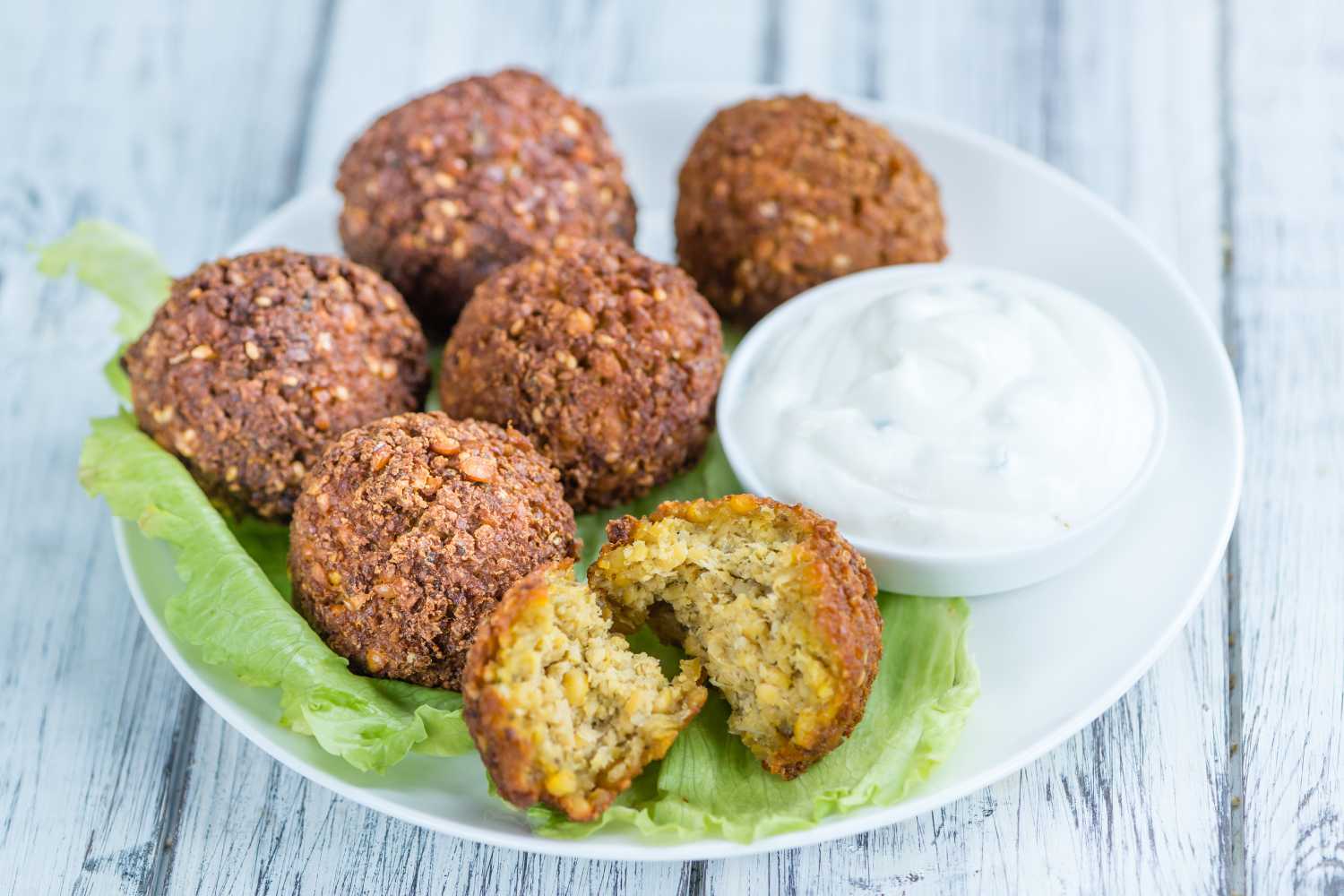
Falafel, delicious vegan chickpea-based snacks, have now conquered supermarket shelves and kitchens all over the world. A recent German test, conducted by Eco-test on 13 brands of packaged falafel, However, it revealed some critical aspects relating to the quality and safety of these products.
By analyzing the various samples in the laboratory, looking for pesticides, contaminated but also evaluating salt intake and organoleptic quality, the experts discovered some important details.
The results
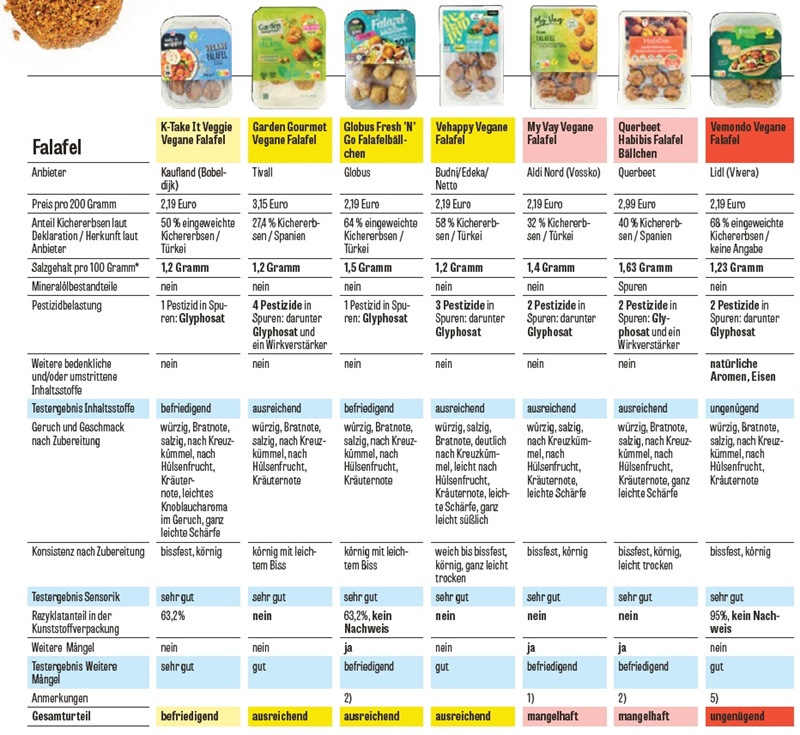
One of the main problems that emerged from the test concerns the presence of glyphosate, a controversial herbicide, found in all non-organic falafel tested. Regarding this contaminant, German experts write:
We consider glyphosate to be of particular concern. The controversial herbicide, whose approval was extended by the EU for another ten years at the beginning of 2024, destroys all vegetation in fields and endangers biological diversity and the habitat of insects and birds. Whether glyphosate is carcinogenic or not is still controversial: the International Agency for Research on Cancer (IARC) considers it probable, the European Chemicals Agency (ECHA) does not.
Some products also contained traces of other pesticides, with one case of multiple contamination detected in Garden Gourmet falafel, which had residues of as many as four different pesticides. Also found components of saturated mineral oils (MOSH)which can accumulate in the human body.
Among the references tested there was also Lidl’s Vemondo, which was the worst among all those analyzed: in addition to traces of pesticides and other contaminantsadds natural flavors and iron to falafel, elements considered unnecessary and potentially harmful.
The test then highlighted another common problem: theexcessive salt content. Some products contained up to 1.6 grams per 100 grams, a value that exceeds the recommended limits for healthy consumption.
The best falafel? Organic ones
In this case, the ranking of the best products does not interest us that much, as it mainly concerns falafel sold in German supermarkets. However, the test also offers valuable information for Italian consumers. The main conclusion is indeed clear: organic falafel is significantly better than conventional falafel.
Organic products were found to be superior in several respects. First of all, they stand out for the absence of pesticides, guaranteeing greater food safety. Furthermore, their salt content is generally more reasonable than conventional products, an important aspect for those who want to maintain a balanced diet. Finally, organic falafel also received positive reviews for their taste and texture.
This means that, regardless of brand, buying organic falafel is recommended for those looking for a safer vegan alternative. Preparing them at home, however, is even better: you can try our recipe: How to prepare chickpea falafel at home
How the test was conducted
The test analyzed 13 packaged falafel purchased in German supermarkets, discounters and organic shops, with prices varying between 2.19 and 3.15 euros per 100 grams.
The analyses, carried out in a specialized laboratory, verified the presence of:
Furthermore, the salt content, the presence of genetically modified organisms and the organoleptic quality, i.e. taste, texture and smell, were evaluated.
