
Discover the 10 best pasta dishes in Italy according to the Taste Atlas ranking
Italy is the kingdom of pasta, a culinary symbol that represents the art, culture and tradition of our country. It is not surprising that Taste Atlas has drawn up a ranking of the best Italian pasta dishes. What are the ten dishes at the top of this ranking?
Pasta ‘ncasciata
At the top of the ranking we find the ‘ncasciata pasta, a rich and tasty Sicilian dish that embodies the essence of the island. Originally from the province of Messina, this baked pasta combines fried eggplant cubes, pieces of cheese such as caciocavallo or mozzarella and béchamel sauce. The “ncasciata” owes its name to the Sicilian term “unable”, which refers to the cheese that envelops each layer of pasta. The combination is put in a hinged mold, sprinkled with breadcrumbs, then cooked until the filling becomes hot. The dish is turned upside down by the mold and served hot
Bigoli with duck
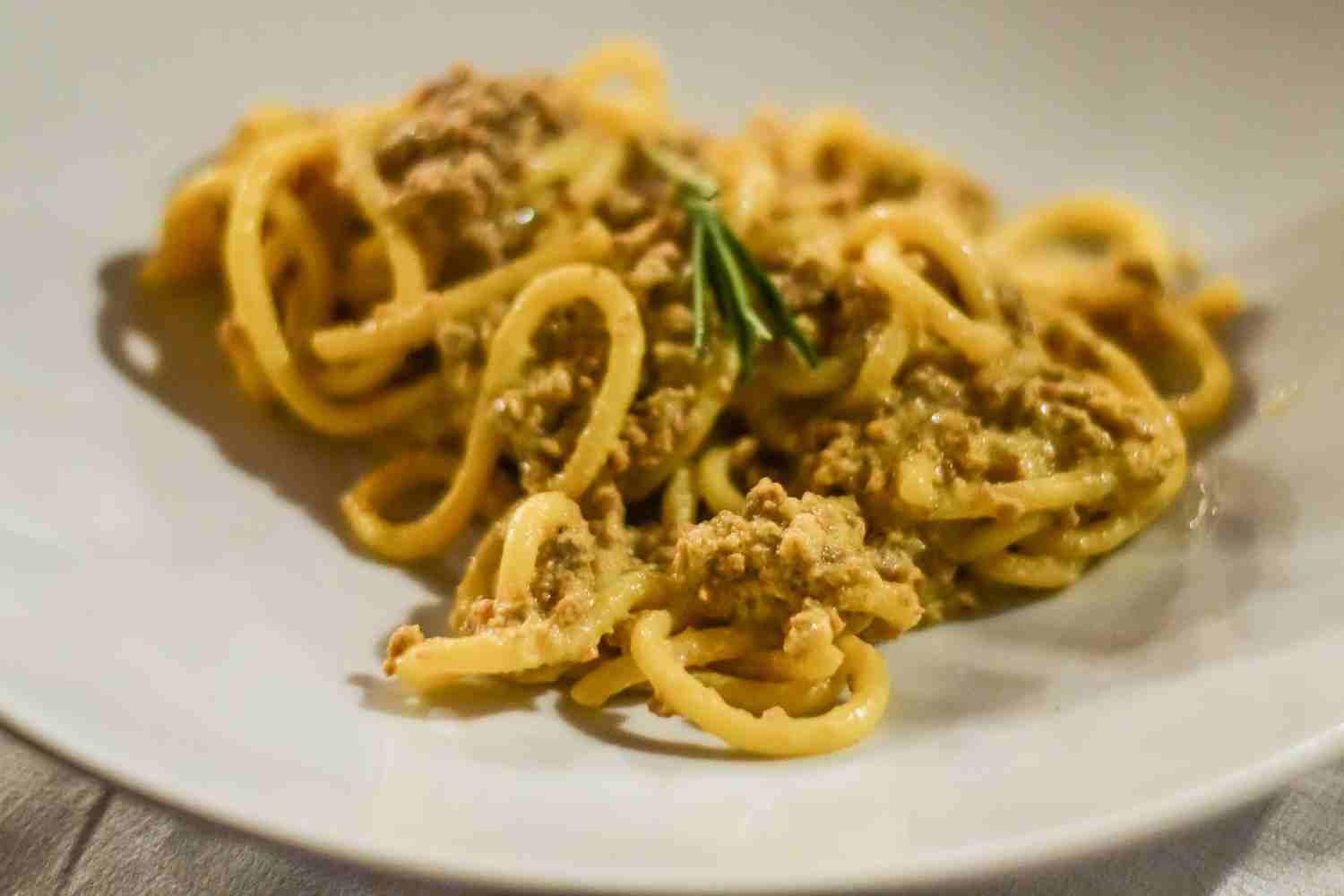
From Sicily we move to Veneto with the bigoli with the duck, a typical rustic specialty. The bigoli, similar to large spaghetti, are prepared with tender wheat flour and eggs, while the seasoning is based on a rich and tasty duck sauce. Originally, this dish was prepared with clean friars and duck fat, while duck meat was used in other recipes or stored in fat. Nowadays, only the best parts of meat and liver are used, while duck fat is replaced with butter and olive oil
This dish is a tribute to peasant cuisine, where nothing was wasted and each ingredient was enhanced.
Bacon and egg
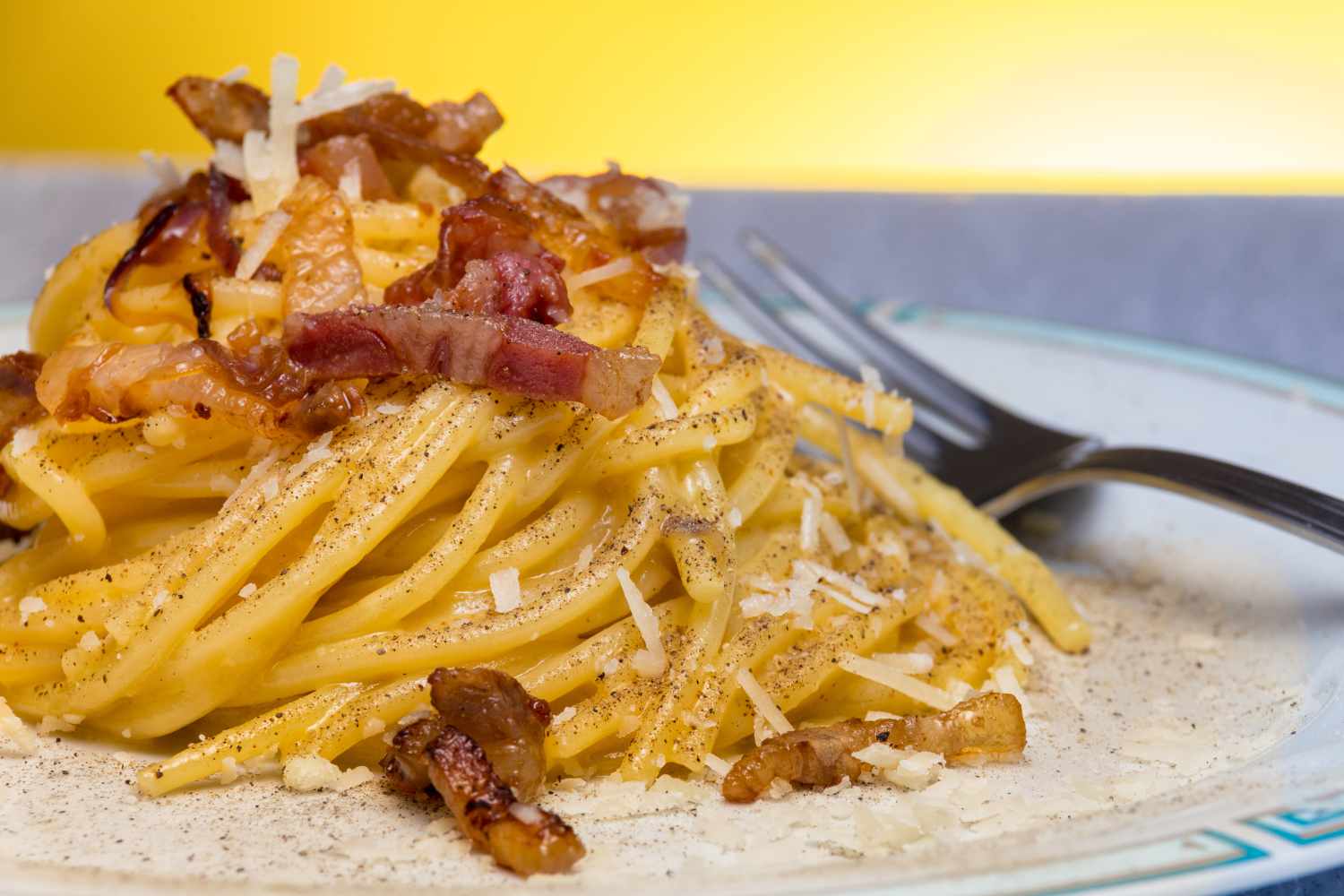
Carbonara could not be missing, an icon of Roman cuisine and a must for pasta lovers. This simple but sophisticated dish is based on a few ingredients: bacon, Roman pecorino cheese, eggs and black pepper. The perfect balance between the creaminess of the egg and the decisive flavor of the bacon makes Carbonara one of the most loved Italian recipes in the world.
Tagliatelle with Bolognese ragout
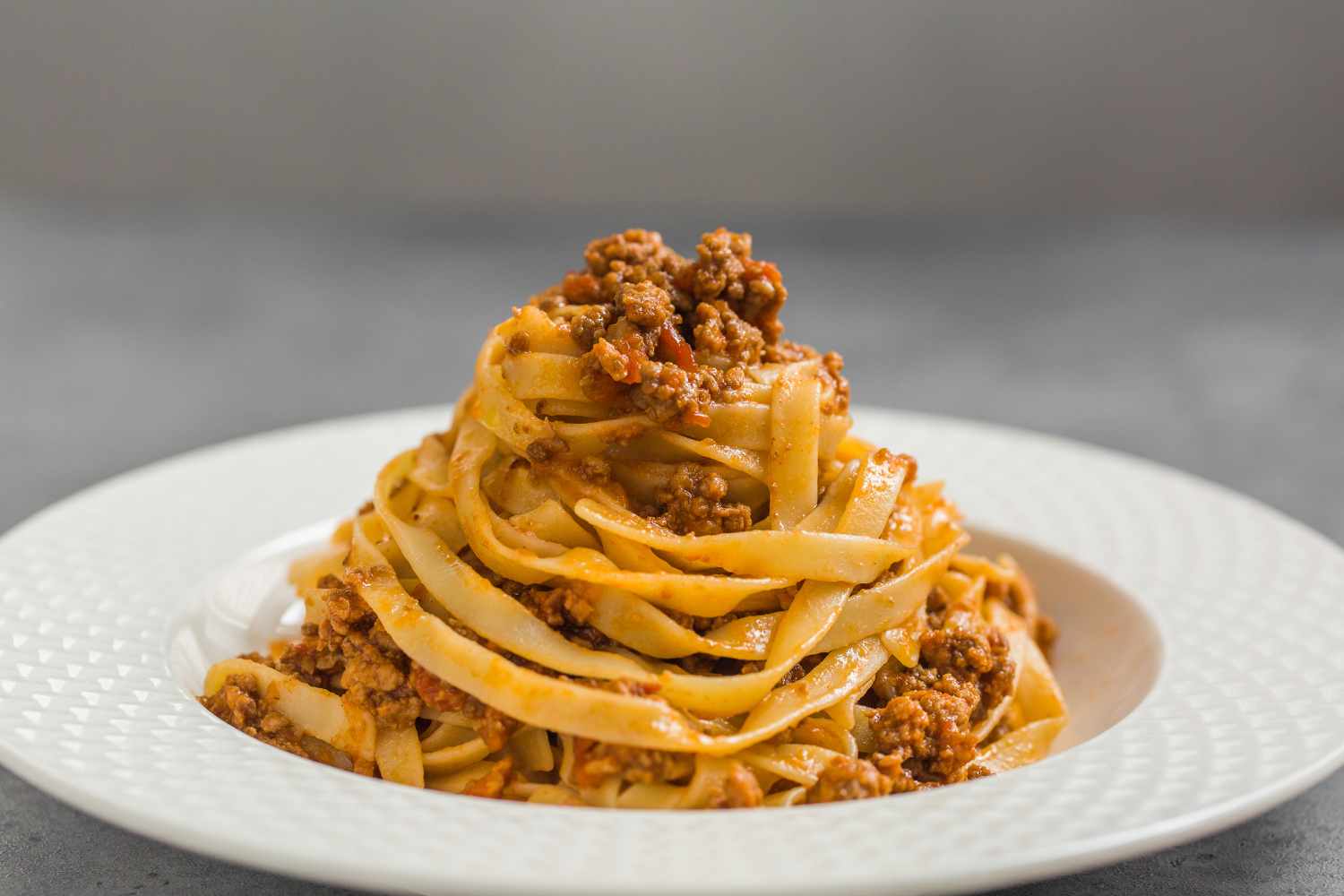
Bolognese sauce tagliatelle are the symbol of Emilia-Romagna and represent the perfection of craft cuisine. Fresh egg pasta is combined with a slowly prepared sauce with beef, pork, vegetables and tomato.
Bolognese lasagna
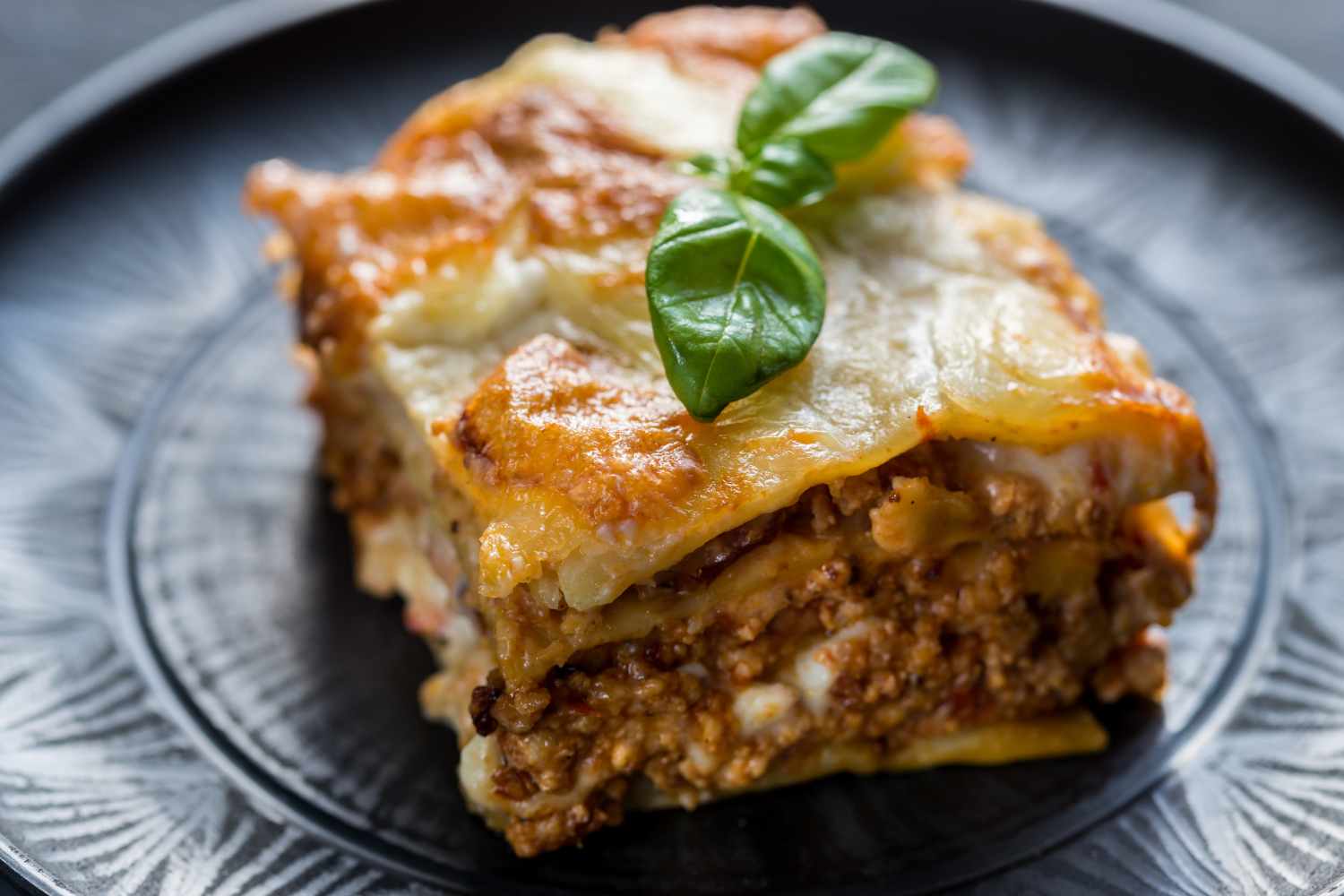
Another Emilian excellence is represented by Bolognese lasagna, a stratified and sumptuous dish. The fresh pasta sheets alternate with Bolognese ragù, béchamel and Parmesan, creating an explosion of flavors and textures. The sheets are green because to the spinach.
Tomato and bacon
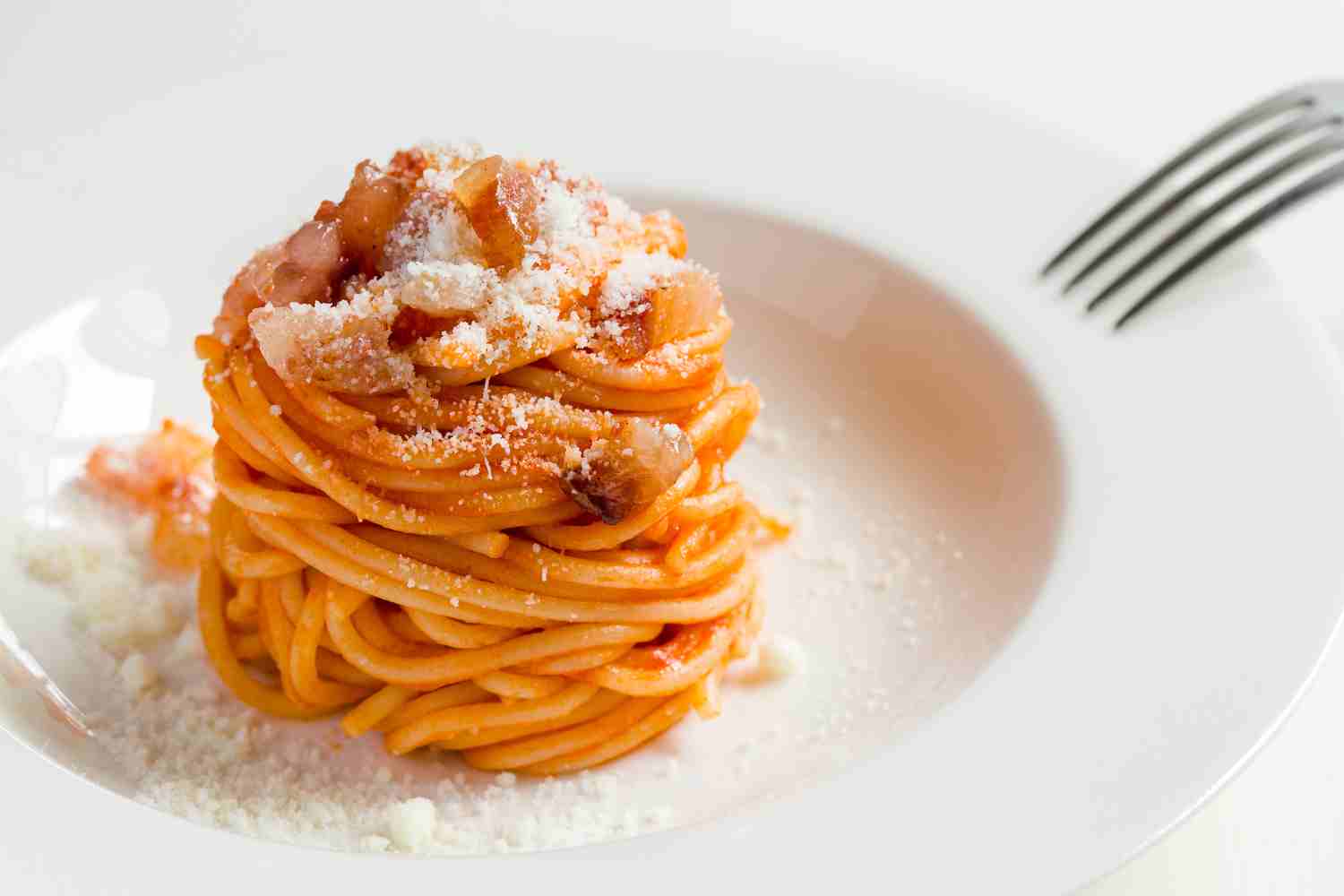
The Amatriciana owes its name to Amatrice, a town located in the Sabini Mountains, north-east of Rome. This famous sauce is often counted among the pillars of the Roman culinary tradition, alongside Carbonara and Cacio and Pepe. Its origin dates back to the seventeenth century, when the already known Gracia sauce was added the tomatoes. The recipe includes cubed tomatoes, skipped in the fat released by the bacon (seasoned pork cheek), then enriched with grated Roman pecorino and served with spaghetti or bucatini.
The first mention of the Amatriciana is found in the Cooking Book The Modern Apicio, published in 1790 by Francesco Leonardi, a famous cook and Roman author. Over the years, this iconic dish has acquired international fame, becoming a symbol of Italian cuisine and appearing in numerous films. From an American in Rome (1954) by Alberto Sordi to where do you go on vacation? (1978) by Luciano Salce, up to Eat praying to AMA of Ryan Murphy, where Julia Roberts lets himself be conquered by a plate of spaghetti with the Amatriciana while admiring the panorama of a typical Roman tavern.
Linguine to the rock
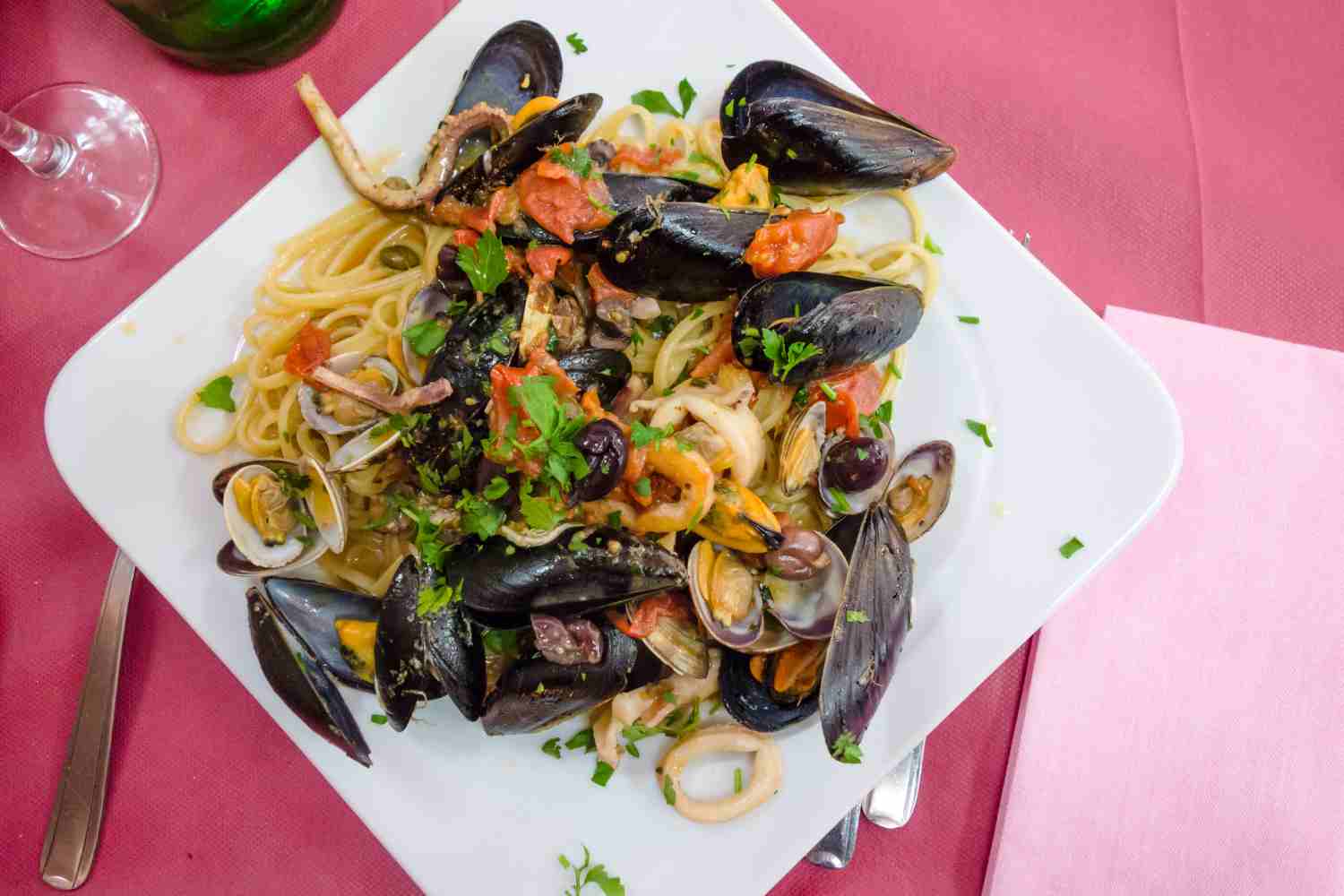
For sea lovers, linguine on rock are an unmissable dish. This recipe combines the flavor of the pasta with fresh seafood: mussels, clams, prawns and squid blend into a light but aromatic sauce, often fragrant with garlic, parsley and a touch of white wine.
Agnolotti
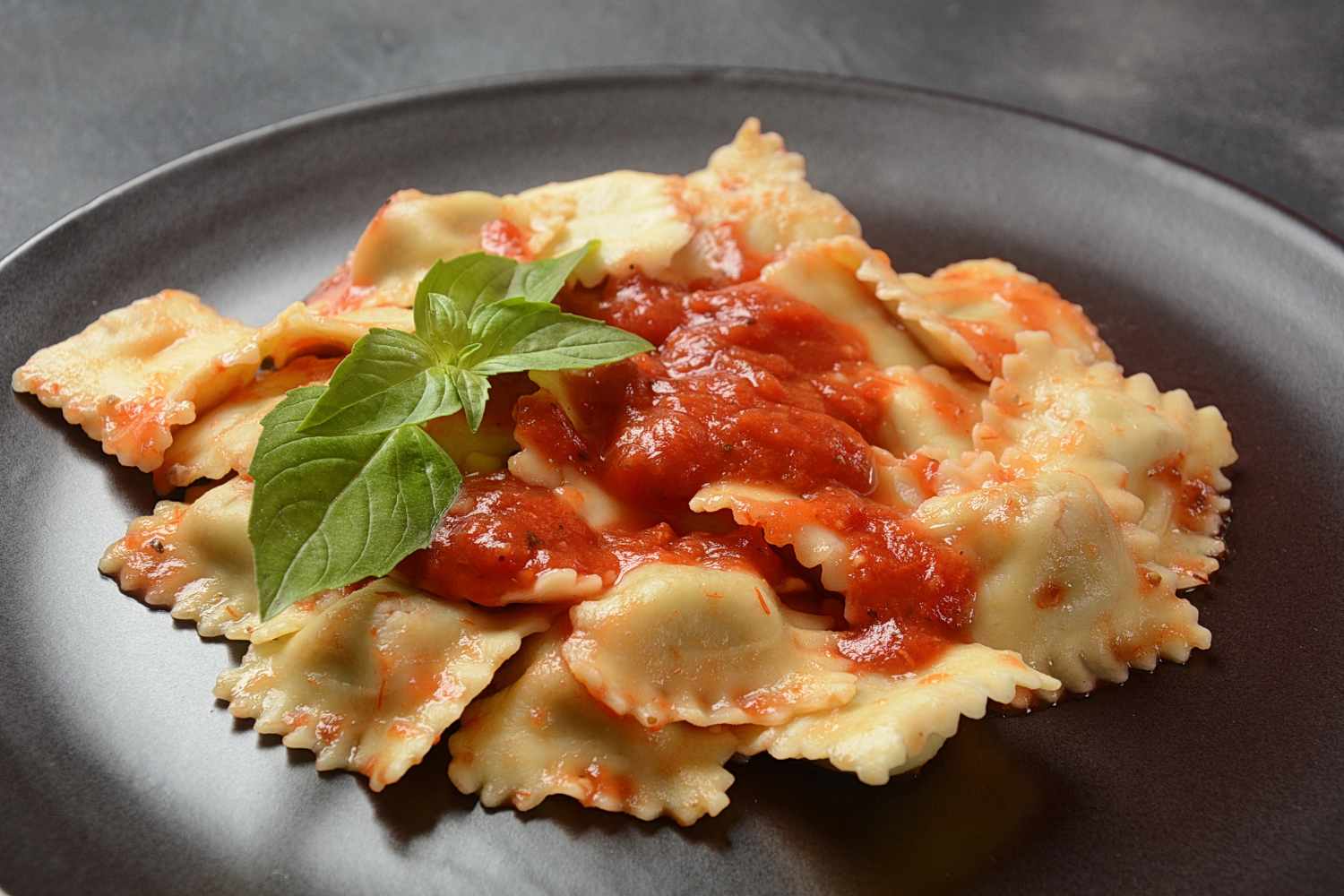
The agnolotti are a masterpiece of Piedmontese cuisine, with their thin sheet that contains a tasty filling of meat, vegetables or cheeses. These small treasure chests can be served with butter and sage or in a hot broth, always maintaining their rustic elegance. Unlike ravioli, which are made by overlapping two sheets of pasta and then sealed, the agnolotti prepare using a single sheet of pasta that is bent around the filling, and then usually cut into small rectangles.
Pasta alla gricia
As happens for many traditional Italian dishes, the origins of gricia pasta are surrounded by uncertainties and contrasting tales. Also known as “Bianca Amatriciana”, Gricia shares the same roots as the famous recipe with tomato, but it is known that it is older than its red variant.
It is said that the pasta with gricia was born in Grisciano, a small village located near Amatrice, home of spaghetti with the Amatriciana. Both of these mountain countries, nestled between the peaks of the Apennines on the border between Lazio and Abruzzo, are historically linked to the life of the semi-nomadic shepherds. Precisely to these shepherds the invention of this simple but extraordinary sauce is attributed, which enhances few ingredients of the highest quality.
Wild boar pappardelle
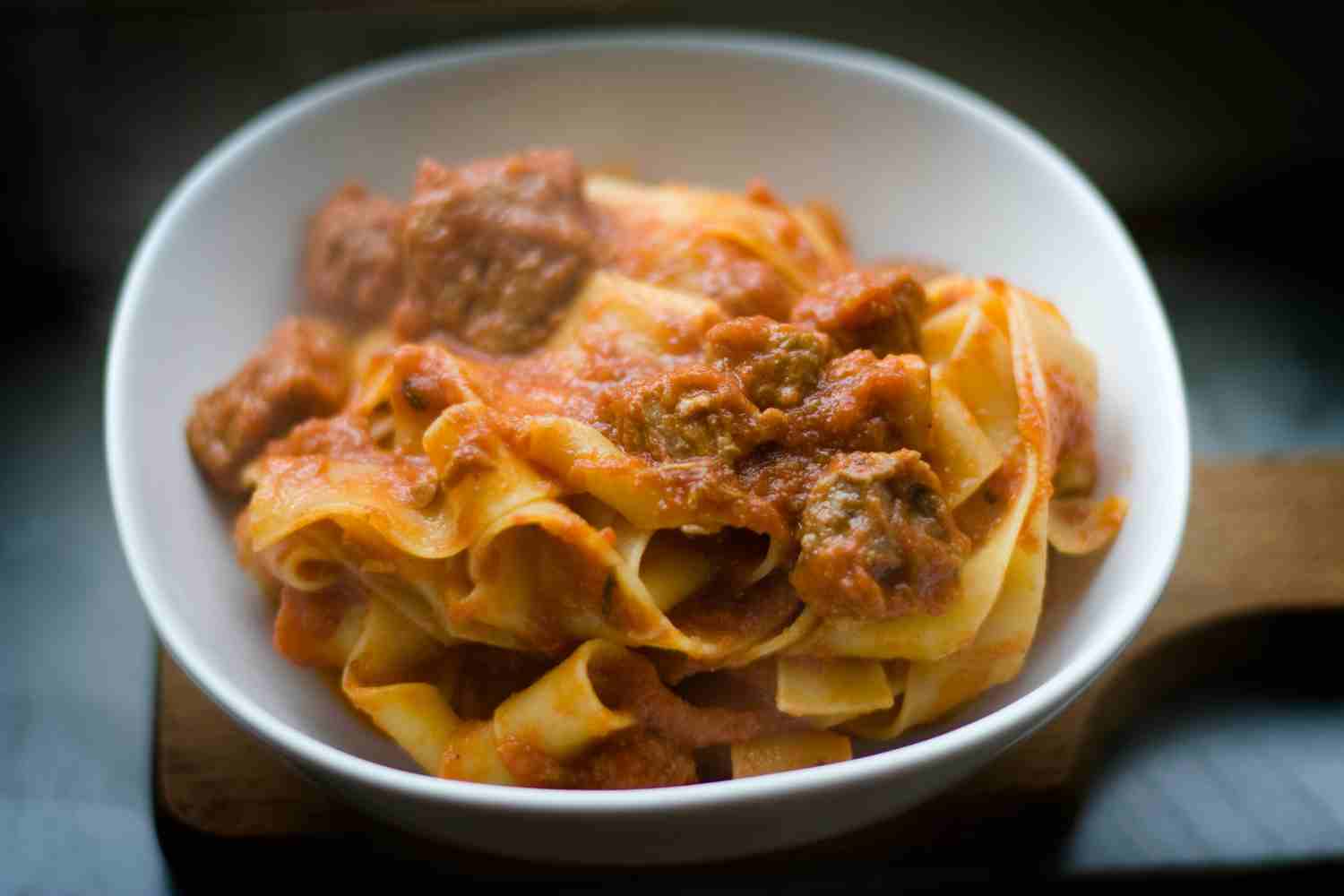
We close the ranking with a robust and tasty Tuscan dish: the wild boar pappardelle. Pappardelle are a renowned specialty of Tuscan pasta which, combined with wild boar ragout, offers one of the most authentic and tasty culinary experiences in the region. Different from the classic ragù, that of wild boar is distinguished by its intense and decisive flavor, the result of a long cooking over low heat in a sauce rich in tomatoes and red wine.
The combination of tender meat with fresh egg pasta creates a dish full of tradition and flavor, where each bite is a celebration of Tuscan cuisine. Tasty and enveloping, the pappardelle with wild boar ragout are often served with a generous sprinkling of fresh parsley and grated Parmesan.
