
What if one of the most promising innovations for burn medicine came from the sea, hidden under the sand? It may seem like a suggestion, but instead it is a concrete scientific lead that is today attracting the attention of doctors and researchers. After the serious fire that occurred in Crans-Montana, with numerous victims and very young injuries, the issue of treatment for burn victims has dramatically returned to the center of attention. And it is precisely in this context that a surprising technology is inserted, born from the study of a marine worm.
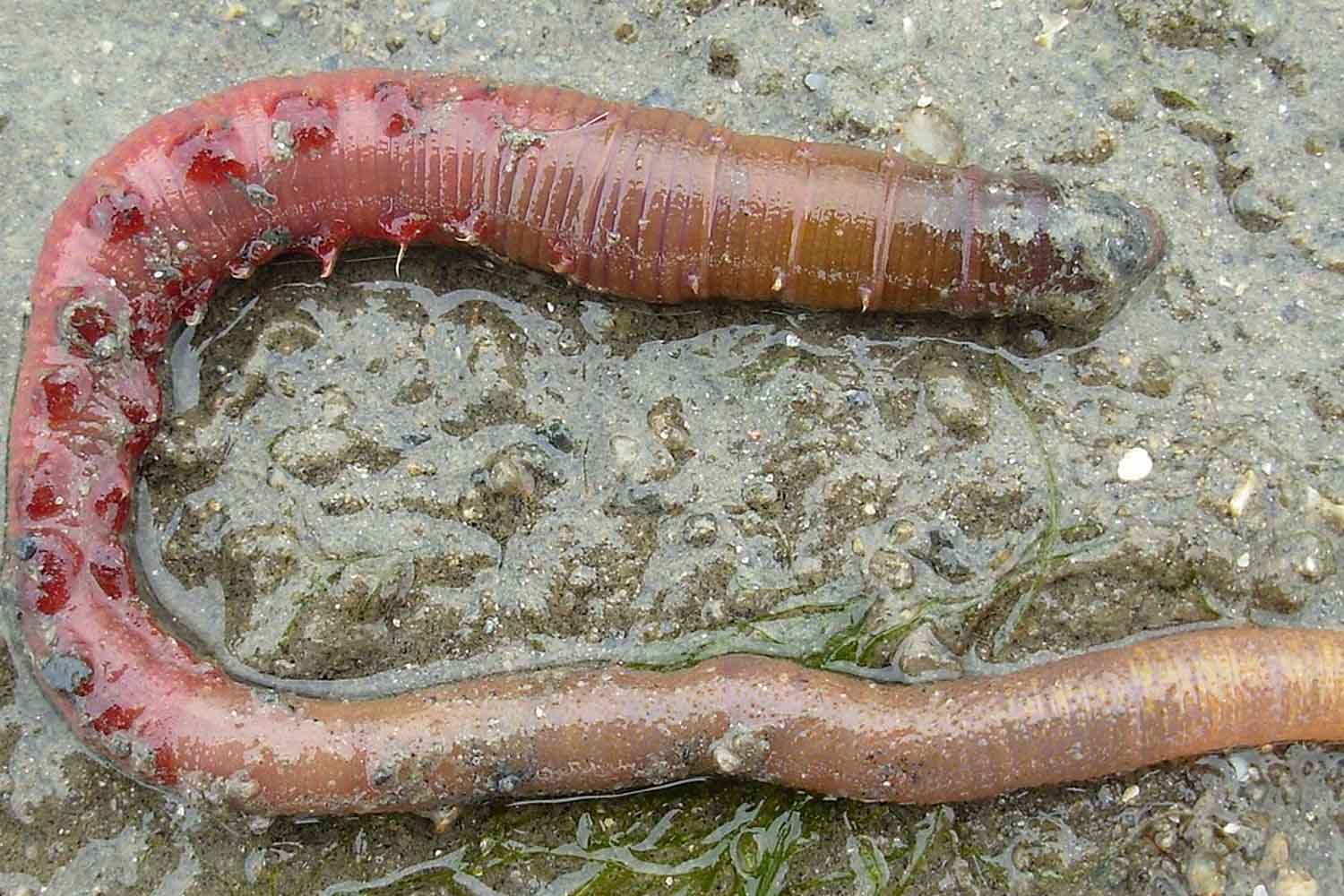
The protagonist of this story is Arenicola marinaan inconspicuous-looking marine worm that lives buried in sandy bottoms. Yet, an extraordinary molecule is hidden in his blood: hemoglobin M101. It is precisely this substance that makes the worm so interesting for medical research.
Unlike human hemoglobin, the one extracted from the blood of Arenicola marina it is able to transport a much higher quantity of oxygen and, above all, without the need for blood group compatibility. A detail that is anything but secondary when it comes to emergency treatments. This ability derives from the worm’s particular breathing system, which allows it to survive for hours in the absence of oxygen, accumulating it within its organism. A natural “reserve” that medicine is trying to put at the service of man today.
How they work
This discovery was developed by the French company Hemarina, which specializes in marine biomolecules. Leading the project is Franck Zal, a researcher at the CNRS, who has been studying marine worms since 2007. We are therefore talking about a technology that arises from years of scientific research, not an improvised solution.
Hemoglobin M101 is integrated into oxygenating healing patches and gels, designed to release oxygen directly to injured tissues. For those who have suffered extensive burns, oxygenation is a vital factor: it reduces the risk of necrosis, helps cells regenerate and promotes more effective skin reconstruction. The first results observed indicate faster healing and better quality of the reconstructed skin, without any direct contact with the animal, of course.
This strategy is reminiscent of other natural solutions rediscovered by science, such as the use of long-undervalued biological substances. But here the leap is notable: oxygen arrives where it is needed, continuously, even on skin grafts and complex medications, with the prospect of making treatments less painful for already extremely fragile patients.
The path of this innovation is especially striking. From the beaches of Noirmoutier to the specialized hospital departments, the journey was long but coherent. Today, in dramatic situations like that of Crans-Montana, this technology could represent a concrete help for medical teams, without replacing existing protocols but alongside them.
You might also be interested in:
