
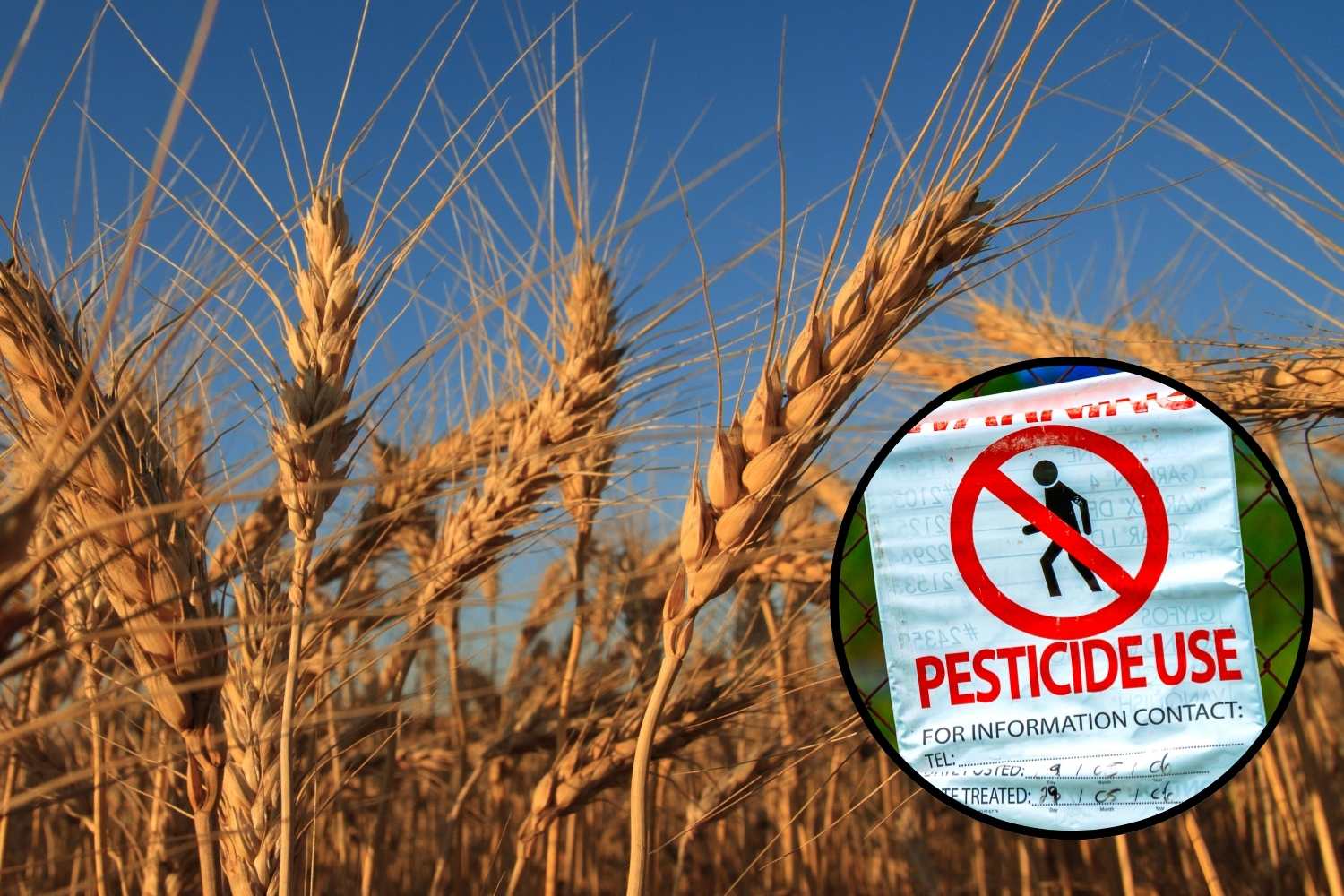
The European Commission is preparing to revolutionize the pesticide approval system with a proposal that is already causing discussion. The basic idea is to eliminate the time limit for authorizations for active substances considered safe, while maintaining control and review tools. A move which according to Brussels would guarantee greater efficiency and significant savings, but which raises questions about the possible risks to the health of people and the environment.
A huge regulatory change, which in any case would mark a watershed in the management of pesticides in Europe.
Stop to ten-year maturities: the new European strategy
Currently, active substances in pesticides receive authorizations valid for a maximum of 10 years, which rise to 15 for low-risk substances. With the new simplification package on food and feed, scheduled for adoption on 16 December, this scheme could be overcome. In fact, the European executive believes that many substances have already demonstrated their safety through repeated evaluation cycles, and that the new molecules present improved toxicological and ecotoxicological profiles compared to the past.
The proposal therefore envisages making approvals permanent, eliminating the obligation to periodically renew them when not necessary. A radical change that aims to streamline bureaucracy and reduce costs for institutions and companies in the sector.
But canceling the deadlines does not mean giving up supervision, the EU assures. Indeed, the system will maintain substantial control mechanisms: both the Commission and the Member States will be able to periodically select certain substances to subject them to a full review. Furthermore, if new scientific data or unexpected risks emerge, it will be possible to activate extraordinary reviews at any time.
For substances that may raise specific concerns regarding human health, animal health or the environment, it will however be possible to establish more restrictive time limits. In practice, unlimited authorizations will mainly concern substances with a proven safety profile, while for the more problematic ones there will remain a more prudent approach.
Behind this reform there is, obviously, also an economic logic. According to Brussels estimates, the new measures could generate savings of at least one billion euros between 2027 and 2029, with an overall reduction in administrative costs of 2.7 billion euros until 2034. Significant figures that would derive from the elimination of repetitive procedures and the simplification of bureaucratic obligations for authorities and industries.
The crackdown on imported products
The package also addresses a burning issue: the risk that substances banned in Europe could re-enter through food and feed from third countries. Currently, in fact, despite the European ban, some prohibited substances can still reach the market through products grown abroad that do not comply with community regulations.
The new package aims to close this regulatory loophole: maximum residue limits can no longer be based on the agricultural practices of exporting countries or on Codex Alimentarius standards.
What does it mean? That if a pesticide is banned in Europe, it will no longer be able to arrive indirectly through imports.
Biocontrol: accelerated green light for sustainable alternatives
Particular attention is then paid to biocontrol substances, considered more sustainable alternatives to traditional chemical pesticides. The Commission wants to encourage its diffusion through a uniform definition, faster approval procedures and the possibility for national governments to grant provisional authorizations while the European evaluation is still ongoing. A choice that reflects the desire to encourage less impactful agricultural practices, speeding up the arrival of innovative solutions on the market.
It remains to be seen how this proposal will be received by member states and public opinion, divided between those who ask for greater flexibility for agriculture and those who fear a weakening of environmental and health protections. The real challenge is in fact able to find the balance between innovation and simplification.
