
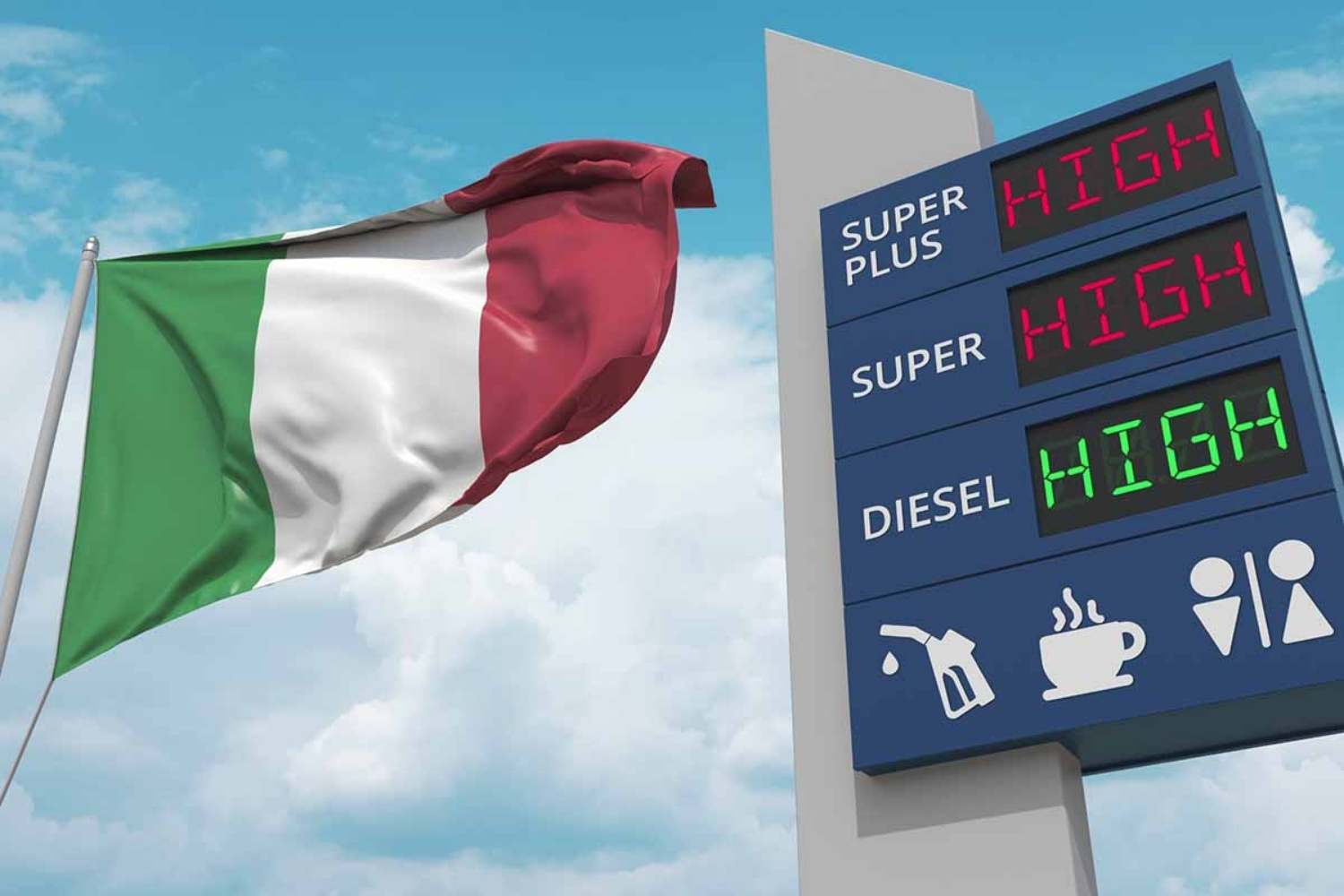
Diesel approaching 2 euros per liter, petrol exceeding the 1.80 threshold: fuel prices today, 6 March 2026, are at their highest levels for over two years, with diesel at the highest since 29 October 2023 and petrol at the highest since 2 July 2025.
Because prices are going up
The cause is direct: oil prices, thanks to the US and Israel’s war against Iran, have started to rise again, with Brent breaking through to 85 dollars a barrel. Making the situation more tense is the Strait of Hormuz, through which approximately 20% of the world’s crude oil passes, and which the Iranian army has declared to be under its control, with the threat of a definitive closure to the transit of oil tankers.
How much prices have increased in just a few days
On Monday 2 March the average price of petrol was 1.674 euros and that of diesel was 1.728 euros. In less than four days the values changed radically: from 4 to 6 March self-service diesel increased by 11.6 cents per liter in Sicily – equal to 5.80 euros more for a 50-litre tank – while self-service petrol exceeded 1.80 euros per liter in Calabria and Bolzano. Eni has increased the recommended prices of petrol by two cents and diesel by five cents. IP of six cents on both. On motorways, self-service diesel already costs 1,949 euros per litre, while served fuel is above 2 euros.
The government’s response
The government did not stand idly by. Minister Adolfo Urso has called two meetings of the Rapid Alert Commission for today: the first, at 9.30, dedicated to energy and fuel markets; the second, at 11.30, on the possible repercussions on inflation and the shopping cart. Mimit has already sent the first results of the monitoring to the Financial Police, to verify whether the increases are justified by the trend of international prices or whether there is speculative behavior along the supply chain.
What consumers are asking for
On the consumer front, Codacons, as reported by Ansa, asks to reactivate the mobile excise duty mechanism provided for by current legislation, which allows the extra VAT revenue deriving from price increases to be used to reduce excise duties on petrol and diesel, keeping prices at the pump under control. The associations point out that many supplies are still made with stocks purchased about four months ago, when wholesale prices were significantly lower. Which means that the worst may not be here yet.
