

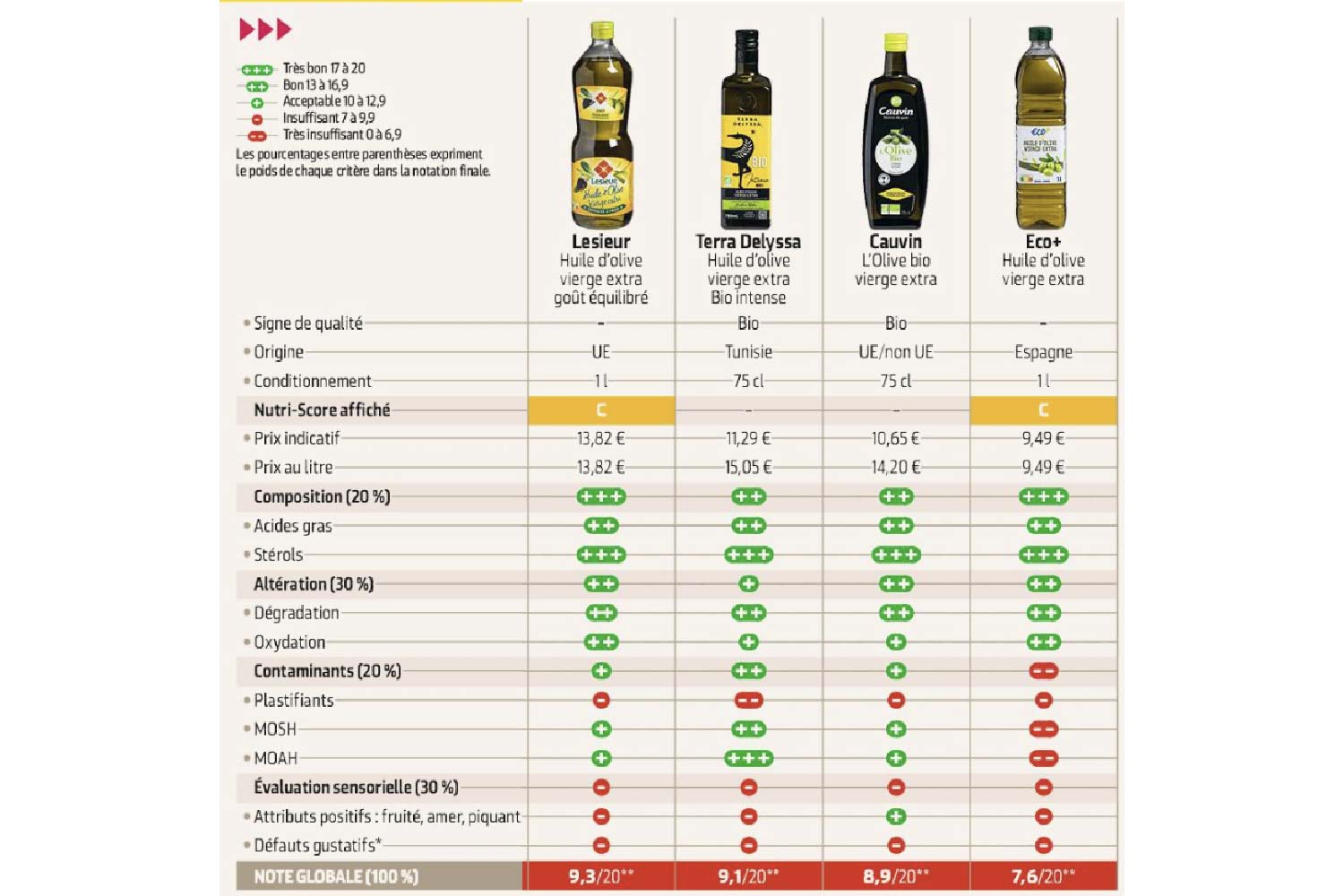
Extra virgin olive oil represents a load -bearing column of the Mediterranean diet, appreciated for the beneficial properties and for the balanced nutritional profile, although unfortunately not always what is found on supermarket shelves reflects the expected quality standards. This is highlighted by an investigation by the French magazine 60 Millions de Consommateurs, which he subjected to comparative test 22 oils Olive extra virgincontaining both conventional and organic products.
The analysis was entrusted to an independent laboratory, and identified at least a form of contamination in each sample examined. The main critical elements concern the presence of plasticmen, in particular phthalatesbeyond Hydrocarbons residues and worrying levels of oxidation.
The results of the analysis: phthalates everywhere, even in the bio
One of the most critical aspects that emerged concerns the spread of plasticmen, primarily the phthalates, well -known endocrine interfering, associated with potential toxic effects on the reproductive system. No category was immune: not even certified oils such as biological have escaped this type of contamination.
Only a label, that of French oil PULETshowed only one trace of plasticizer – 0.2 mg/kg – and moreover of a molecule, the Deht, on which the scientific community still has limited data. Much more worrying, however, the values found in the Carapelli products (4.8 mg/kg) and Terra Delyssa (3.5 mg/kg): albeit lower than those detected in the past, remain very far from the parameters considered reassuring.
The research also evaluated the content of oleic acida monolysatuine fatty acid considered protective for the cardiovascular system. In this area, strong oscillations were found: it goes from a minimum of 61% in the land of the day to a maximum of 75.4% in Puget. The Italian labels tested, from this point of view, have remained on medium or medium-high levels, with good contributions of healthy fats and a limited presence of saturated fats.
None of the oils analyzed has exceeded the limits planned for trans fatswhich confirms adherence to European regulations regarding the lipid profile.
Sensory quality improves, but the shadow of oxidation remains
On the sensory level, the overall quality shows progress compared to the analogue test of 2023. Many oils were more pleasant to the smell and palate. This does not mean that several samples highlight signs of excessive oxidation, indicator of a compromised freshness or non -optimal conservation.
Among the brands that have levels of peroxides close to the roof Massimo include Tramier, Monoprix, Émile Noël and Cauvin. Carapelli oil also showed a high UV absorption, which suggests a principle of deterioration.
Lidl Primadonna: an oil among the worst of the test
A separate chapter deserves the product Primadonnabrand distributed by the chain Lidlwhich has distinguished itself negatively in the panorama analyzed. The test revealed serious organoleptic defects and a wide contamination from plasticmen, including phthalates. In the face of unsatisfactory chemical parameters and a weak sensorial profile, Primadonna It emerges as one of the worst oils among those subjected to analysis.
The performance of Italian brands
If the general picture does not bode well, at least Italian companies get encouraging resultsalbeit not without some shadow. In particular, The oil coast of BIO Gold conquers the third position in the general classificationdistinguishing itself by lipid balance and organoleptic qualities. A little further back, in fifth position, it is organic carapellialso positively assessed.
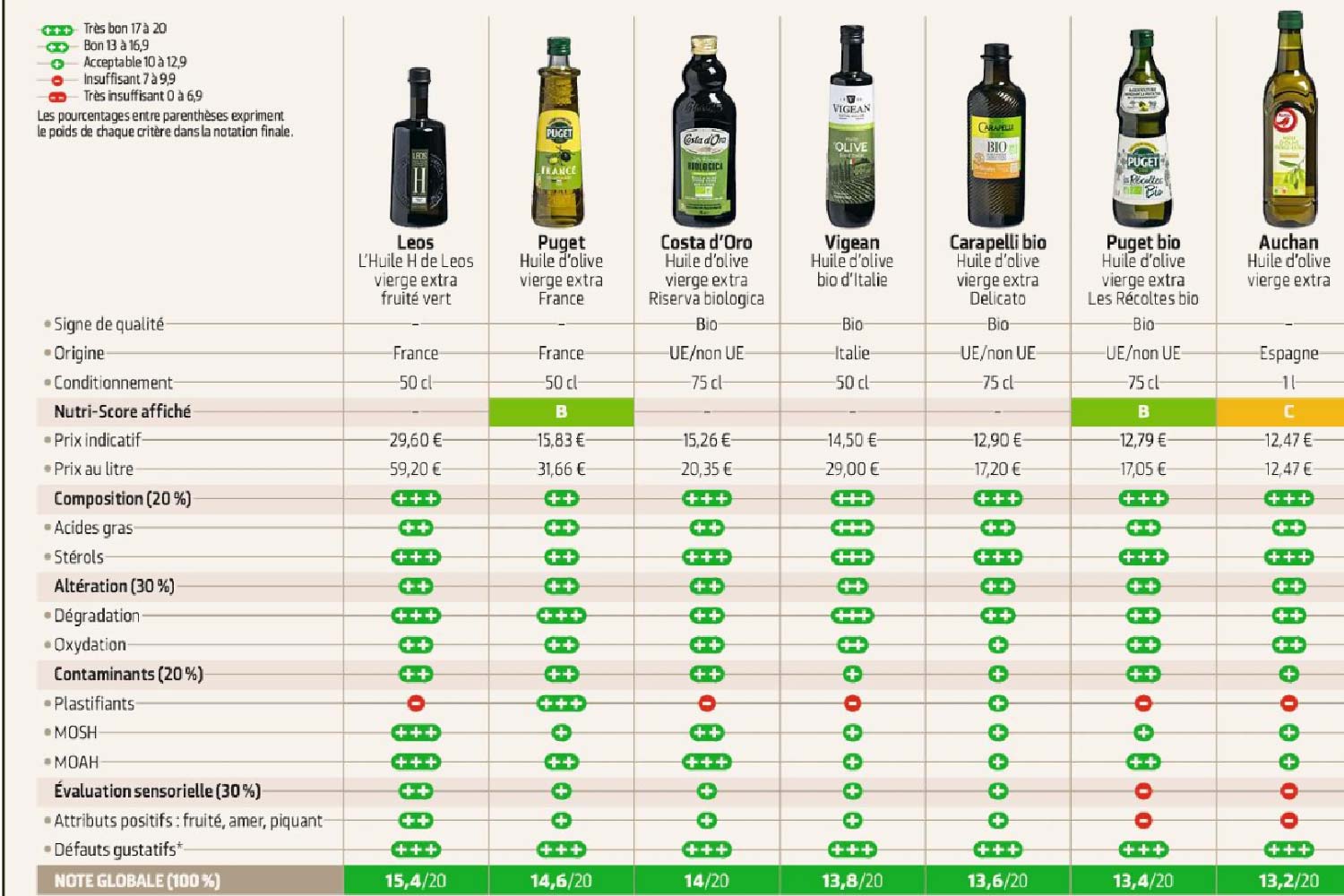
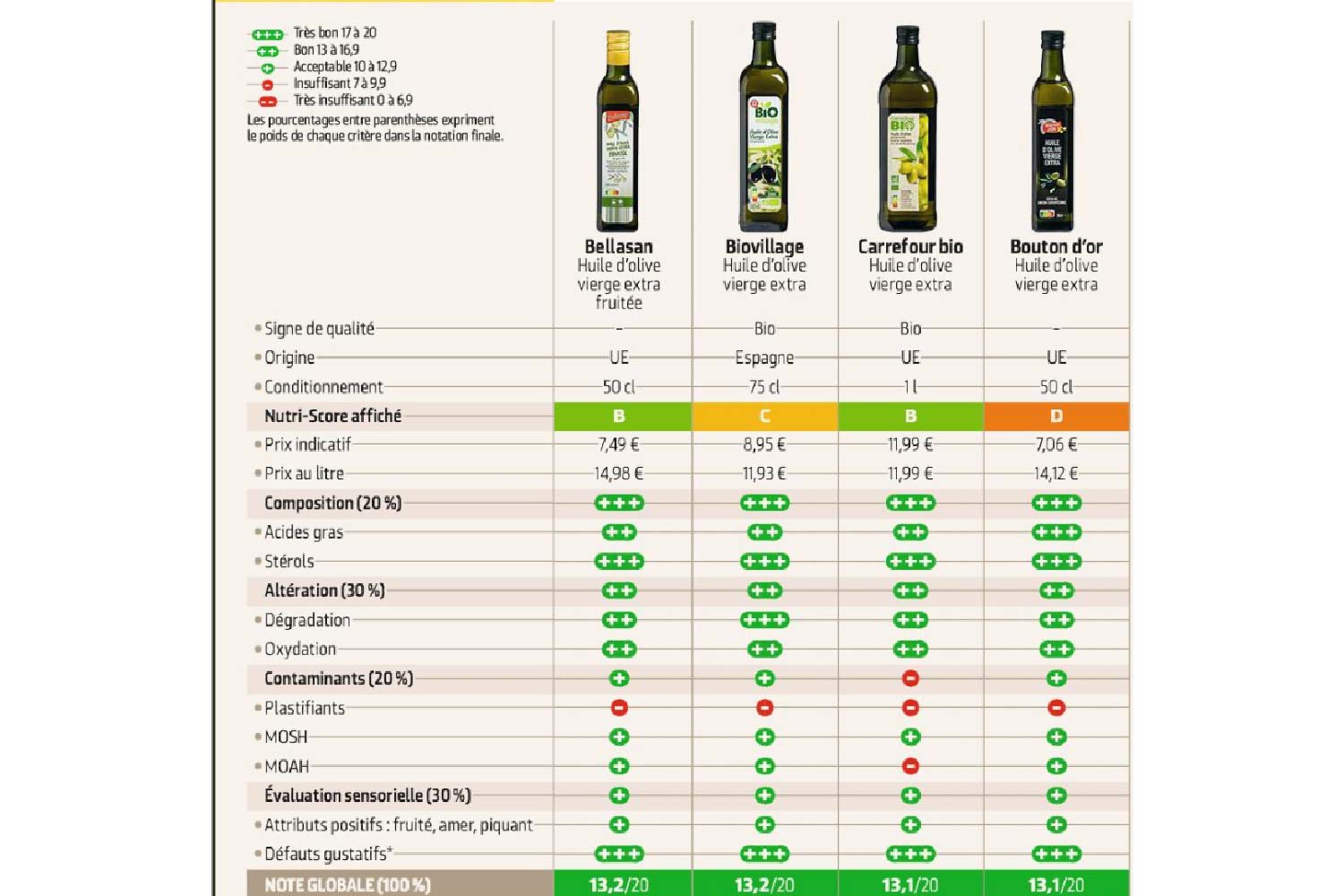
Among other Italian brands, Traditional and Monini carapelli reach a pulled sufficiencywhile highlighting criticality: the presence of phthalates has been ascertained, as well as traces of saturated and aromatic hydrocarbons (Mosh and Moah). Contamination aside, both get a positive evaluation, thanks to a balanced sensory profile and the absence of suspicious blends.
The results obtained by Italian oils become even more significant if related to those of foreign competitors brandsas land of the Delyssa and Cauvin, penalized both by a high presence of contaminants and by a significant content of saturated fatty acids, to detriment of the final quality.
Conclusions: Better to choose craftsmanship and 100% Italian
In light of the collected data, the message is clear: Those who want to buy an extra virgin olive oil without contamination and with real beneficial properties would do well to orient themselves towards artisanal productions, traceable and rigorously Italian. The industrial supply chain, while offering acceptable products, still shows too many uncertainties, especially on the chemical contaminations front. Primadonna’s example of Lidl, between organoleptic defects and impurities, highlights how much the conscious choice remains the only real tool to defend the quality of what we eat.
