

THE’extra virgin olive oil It is one of the main foods of the Mediterranean diet, known for its beneficial properties, but the quality of the product on the market is not always up to expectations. This is demonstrated by a comparative test conducted by the French magazine 60 Millions de Consommateurswho analyzed 22 extra virgin oils sold in French supermarketsboth conventional and biological.
The investigation, conducted by an independent laboratory, found At least one contaminant in all the samples analyzed. The main problems? Presence of phthalates, traces of hydrocarbons and worrying oxidation indices.
The test results
One of the most alarming aspects of the test concerns the widespread presence of plasticizing (in particular phthalates)compounds recognized as endocrine and potentially toxic interfering for reproduction. Even biological oils are not exempt from it.
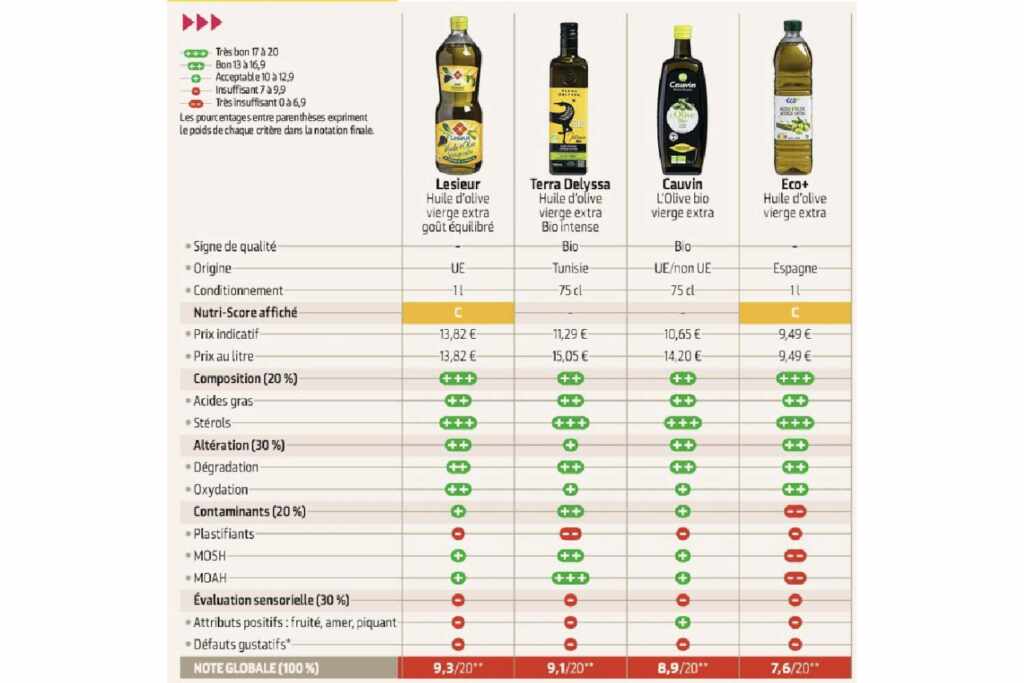
Only one brand, Puget (French), contains a single plasticizer in very low quantities (0.2 mg/kg), but it is a (Deht) molecule on which there are still few studies. The most alarming cases were recorded in the Carapelli oil (4.8 mg/kg) and in that of the delicate land (3.5 mg/kg), levels still lower than those found in the past, but still far from the ideal parameters.
The test also evaluated the quantity of oleic acid, a monoulty fatty acid beneficial to cardiovascular health. Also in this case, the results are very variable: it goes from 61% of oleic acid on the ground to 75.4% for PULET. The Italian brands are placed in a medium-high range, with a good presence of healthy fatty acids and a low altitude of saturated.
Furthermore, no oil has shown anomalous values of trans fatty acids, confirming a good respect for the European regulations on the lipid profile.
From a sensory point of view, the situation has improved compared to the previous 2023 test: many oils are more pleasant to taste and smell. However, some show excessive oxidation, a low freshness index or inadequate conservation.
In particular, the Tramier, Monoprix, Émile Noël and Cauvin brands have levels of peroxides close to the maximum allowed limit. Carapelli also shows a strong absorbance to UV rays, a symptom of a possible oxidation.
Among the worst oils tested there is the Primadonna sold by Lidl, which has marked organoleptic defects and is contaminated by phthalates and other plasticmen.
How the Italian brands went
In this panorama not exactly exciting, However, Italian brands come out well or quite well. The products that come from our country present in the test, in particular Bio gold coast that ranked third and Bio Carapelli, who obtained the fifth positionare among the best.
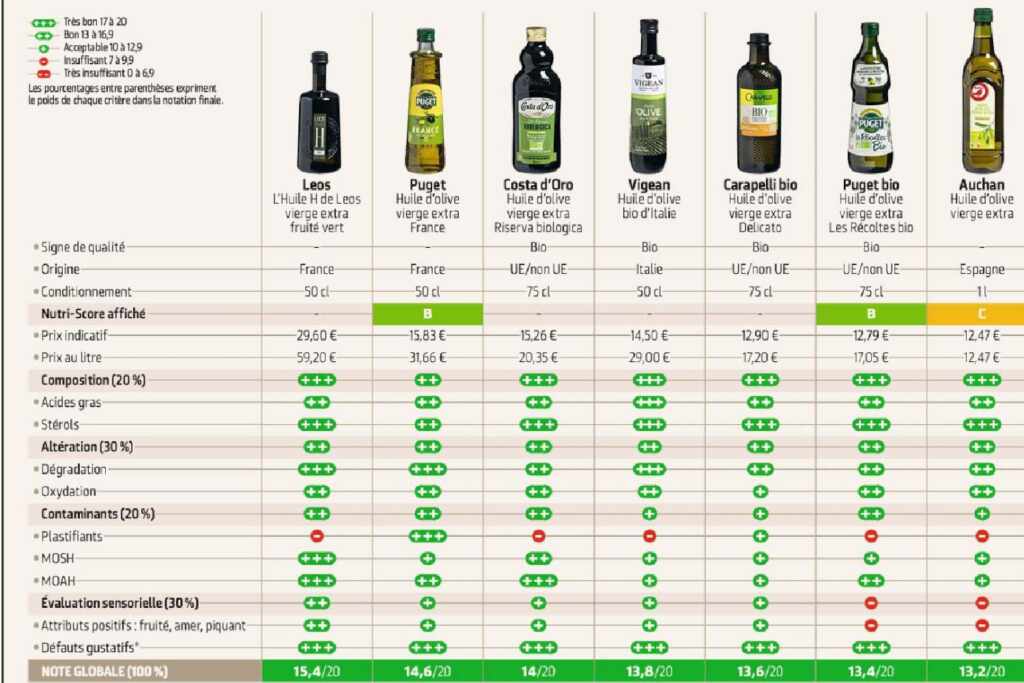
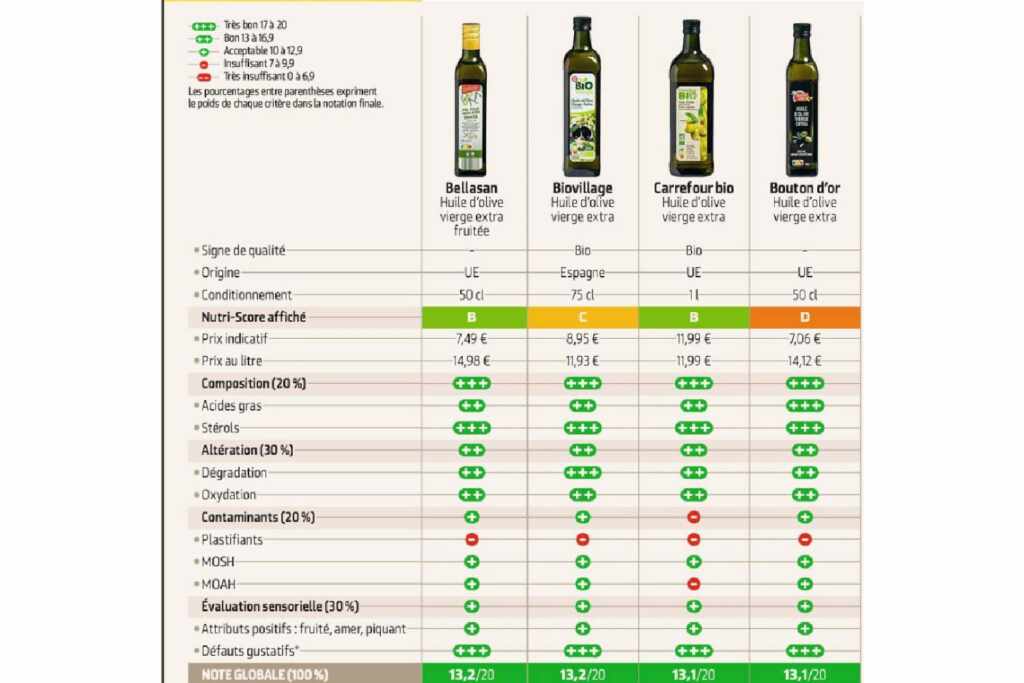
They were “promoted”, but just running out, also traditional and monini carapelli, despite the presence of phthalates, but also Moah and Mosh. However, these oils manage to obtain a “green” score as they maintain good organoleptic qualities, with balanced lipid profiles and without suspicious mixtures, confirming an overall level of sensory and high chemical quality.
These results are significant if compared with some French and Tunisian brands, such as Terra Delyssa and Cauvin, which show relevant problems both for contamination from plasticizing and for high levels of saturated fatty acids, thus compromising the overall quality of the product.
Of course, if you want to focus on an extra virgin olive oil of superior quality and without too many contaminants, it is preferable to orient yourself towards Craft, non -industrial, and rigorously 100% Italian productions.
