
Plastic bottles aren’t what they used to be, and not just because the caps don’t come off. After months of discussions and forced adaptations, attention now shifts to a less obvious, but much more structural change: the material with which these bottles are produced. A transformation guided by precise European rules, which affects the way companies produce, what we find on the shelves and even the appearance of the bottles we use every day.
The starting point is a European Union regulation that intervenes on one of the most widespread objects of all. From 3 July 2024, all beverage bottles up to 3 liters must be equipped with integral caps, fixed to the container through a flexible system that still allows it to be opened and closed. The reason is practical rather than symbolic: separated caps often end up lost, becoming waste that is difficult to intercept and recycle.
But the real news comes immediately afterwards. As we have already seen from 1 January 2025, PET bottles must contain at least 25% recycled plastic, a share destined to rise to 30% by 2030. This is not a recommendation, but an obligation included in the European directive on single-use plastics, with defined deadlines and controls.
What’s changing on the shelves
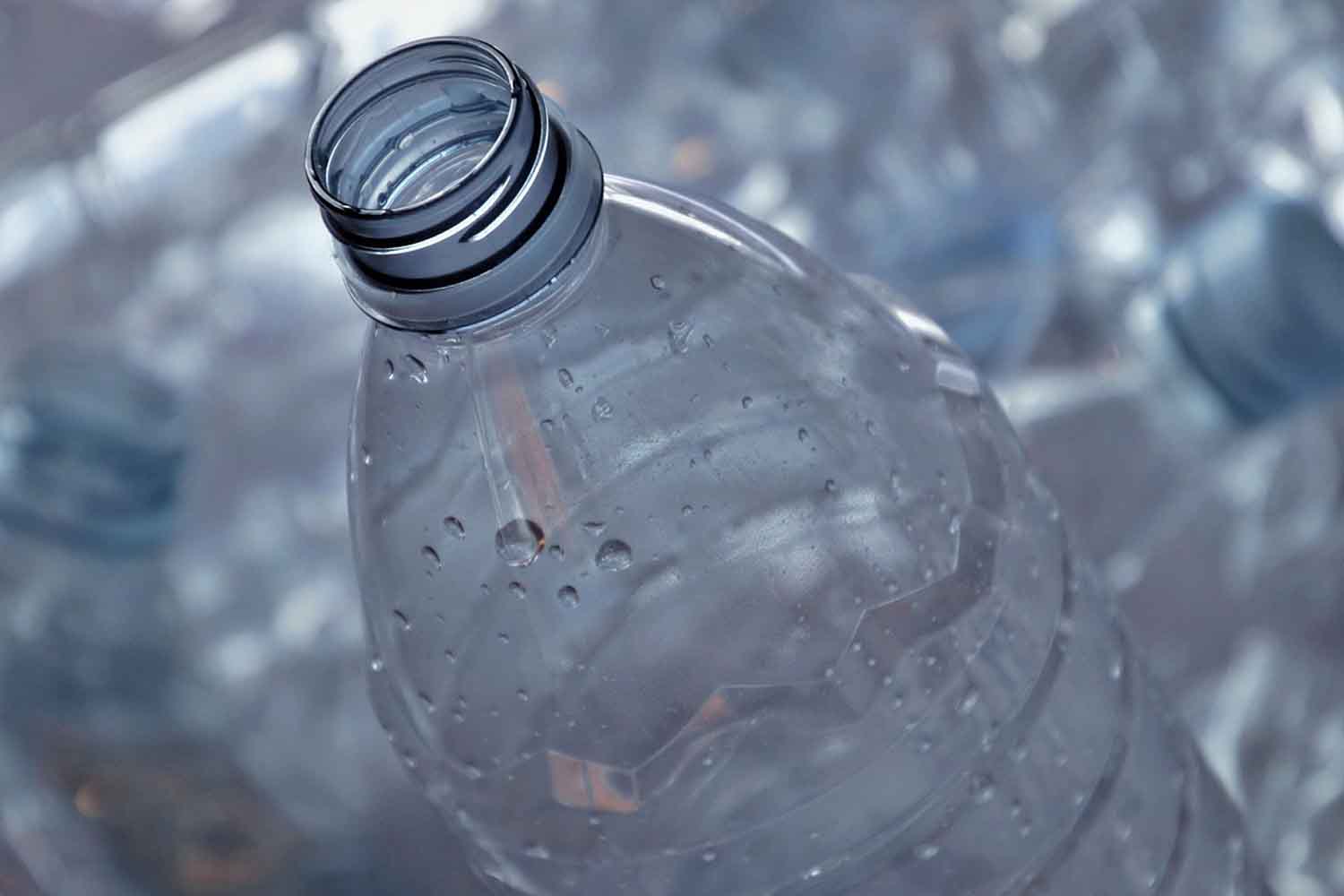
Those expecting radical change may be disappointed. Bottles will continue to do exactly what they do today: hold liquids safely. However, something may look different. The use of recycled plastic, in fact, can make PET slightly more opaque or with less clear shades than in the past. It is not a production defect, but a technical consequence of the reuse of materials.
The fundamental characteristics remain unchanged. Resistance, hygiene and food safety are guaranteed by the same rules that regulate virgin plastic. The difference is entirely in the supply chain: more recovered material, less dependence on new raw materials.
A change that weighs on the industry and the Italian market
For companies in the sector, the adjustment was not immediate. Integrating high percentages of recycled plastic means reviewing production processes, testing new materials and investing in technology. Some big brands had already started this transition years ago, introducing solidarity caps before they became mandatory. For smaller companies, however, the transition was more complex, so much so that it required support and adaptation times.
In Italy, one of the main European markets for plastic bottles, the effect translates into progressive standardization: the bottles change their appearance, but above all they change inside. The cap that no longer comes off and recycled PET are not two separate measures, but parts of the same regulatory scheme which aims to reduce waste and dispersion throughout the entire life cycle of the product.
The new phase of plastic bottles is therefore less flashy than the previous one, but much more incisive. It is not a revolution that immediately catches the eye: it is a structural change, destined to become normal, which redefines how these containers are designed, produced and marketed.
You might also be interested in:
