
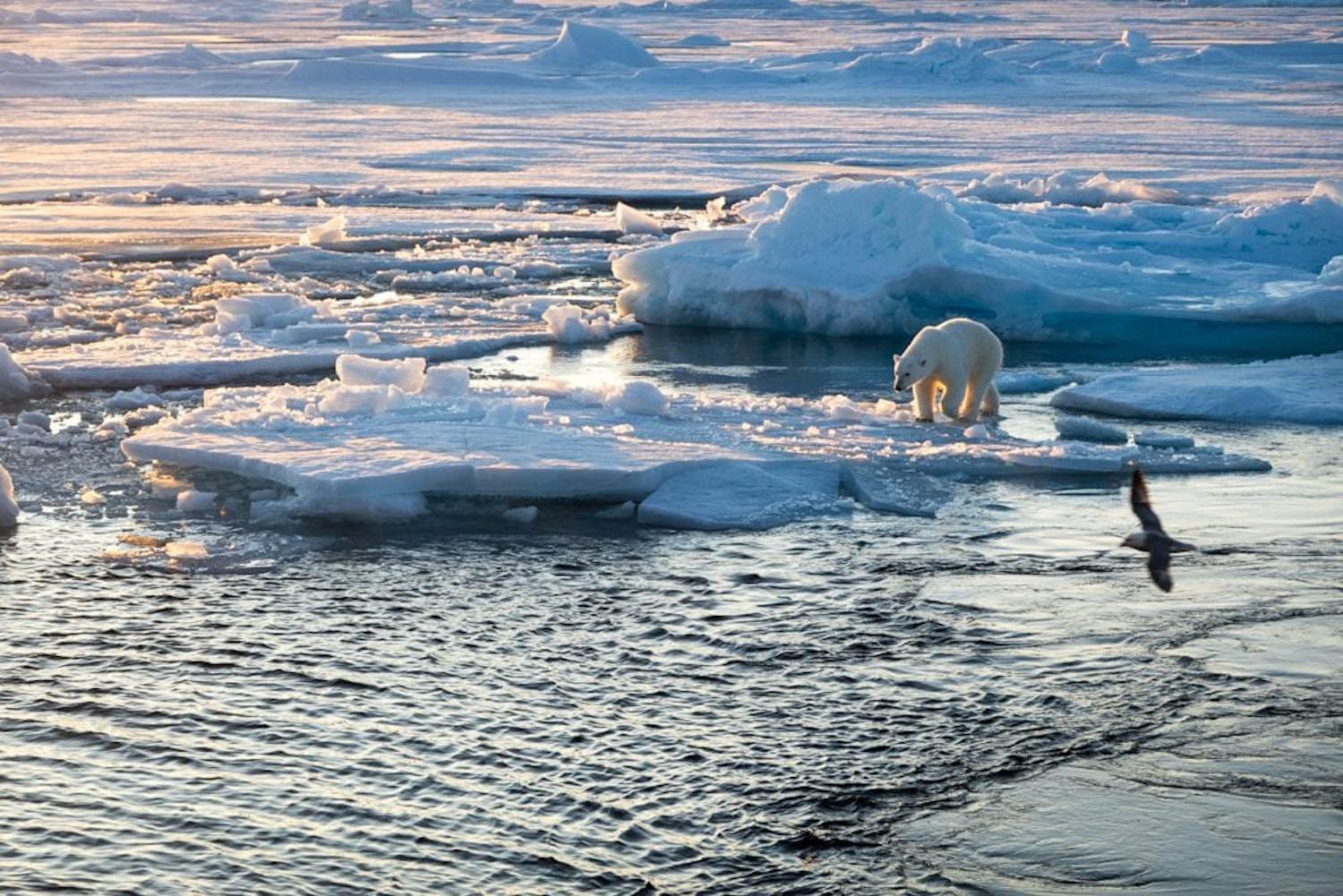
Sea ice around the islands Svalbard disappears and the polar bears Ursus maritimus they “react”: the animals, in fact, are changing their diet to survive, turning more to terrestrial resources. And this, in reality, is nothing more than yet another confirmation of the rise in temperatures, which is not good at all for the Planet and its inhabitants. The research was led by Norwegian Polar Institute.
It is a surprising discovery – explains Jon Aars, first author of the work – If 25 years ago you had asked us what the consequences were of the fact that bears spend two months less on the ice every year, we would have expected thinner animals, a reduction in reproduction and the beginning of a decline in the population. Instead, we see that they are in better condition
The finding, however, is in line with other recent research led by East Anglia University according to which some genes of polar bears living in south-eastern Greenland are behaving differently in response to rising temperatures: in particular some of them related to heat stress, aging and metabolism would “react” to adapt to warmer climate conditions.
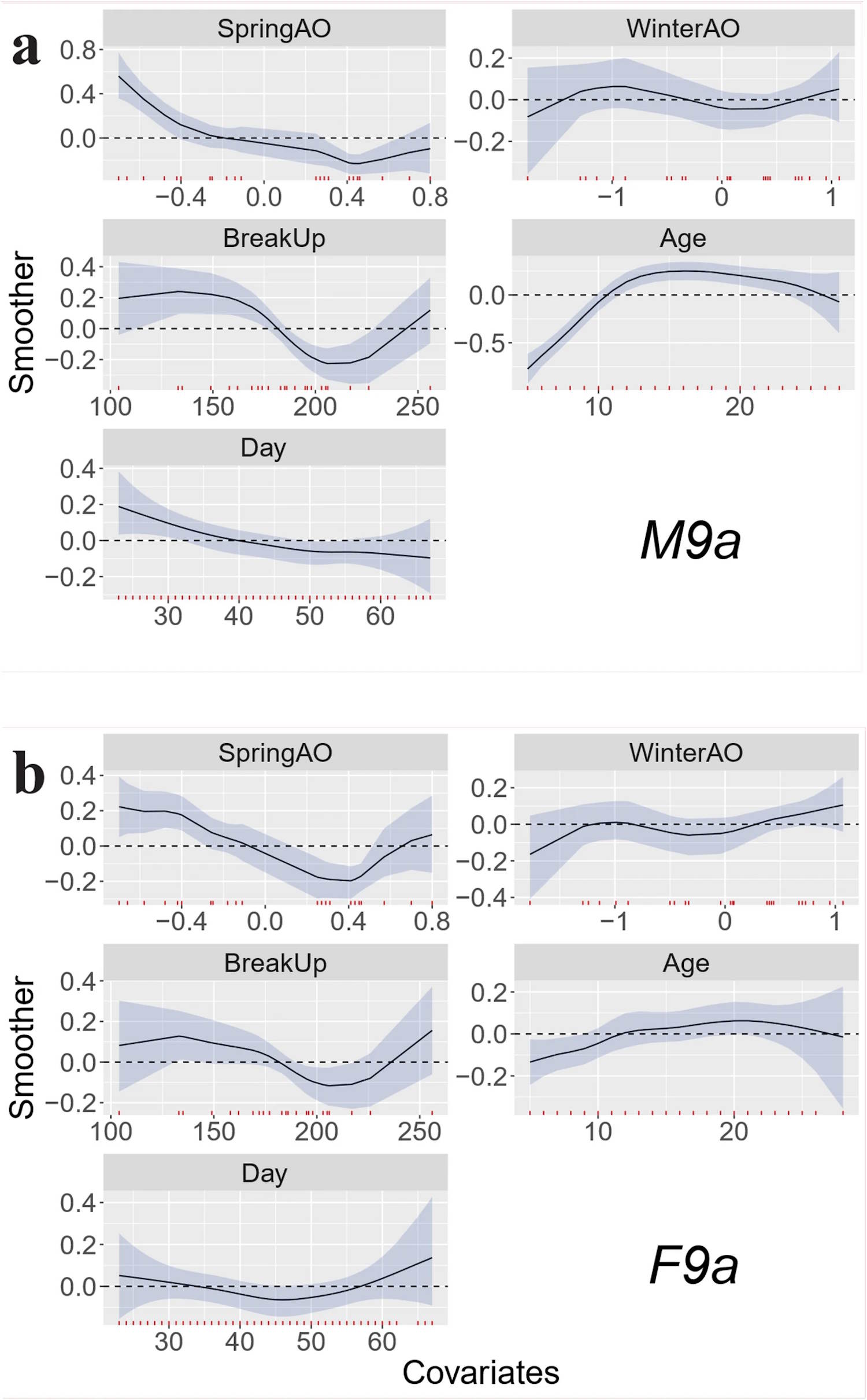
This latest work instead mapped the physical conditions of polar bears, particularly in spring between 1995 and 2019, evaluating them with measurements of the amount of fat accumulated by the animals (via the BCI body mass index).
The most likely explanation is that polar bears have increasingly managed to compensate for their shorter stay on sea ice by exploiting land resources. They capture more reindeer, feed on walrus carcasses and exploit eggs, birds and harbor seals
On the other hand, all three of these species increased significantly in number during this period, and therefore their availability, unlike that of marine resources, pushed polar bears to modify their diet to survive.
This appears to have allowed the bears to maintain, and even improve, their physical condition, even though they spend much more time on land than before
This phenomenon, however, differs from what has been observed in several other parts of the Arctic, where polar bears are instead becoming thinner in years with longer ice-free seasons.
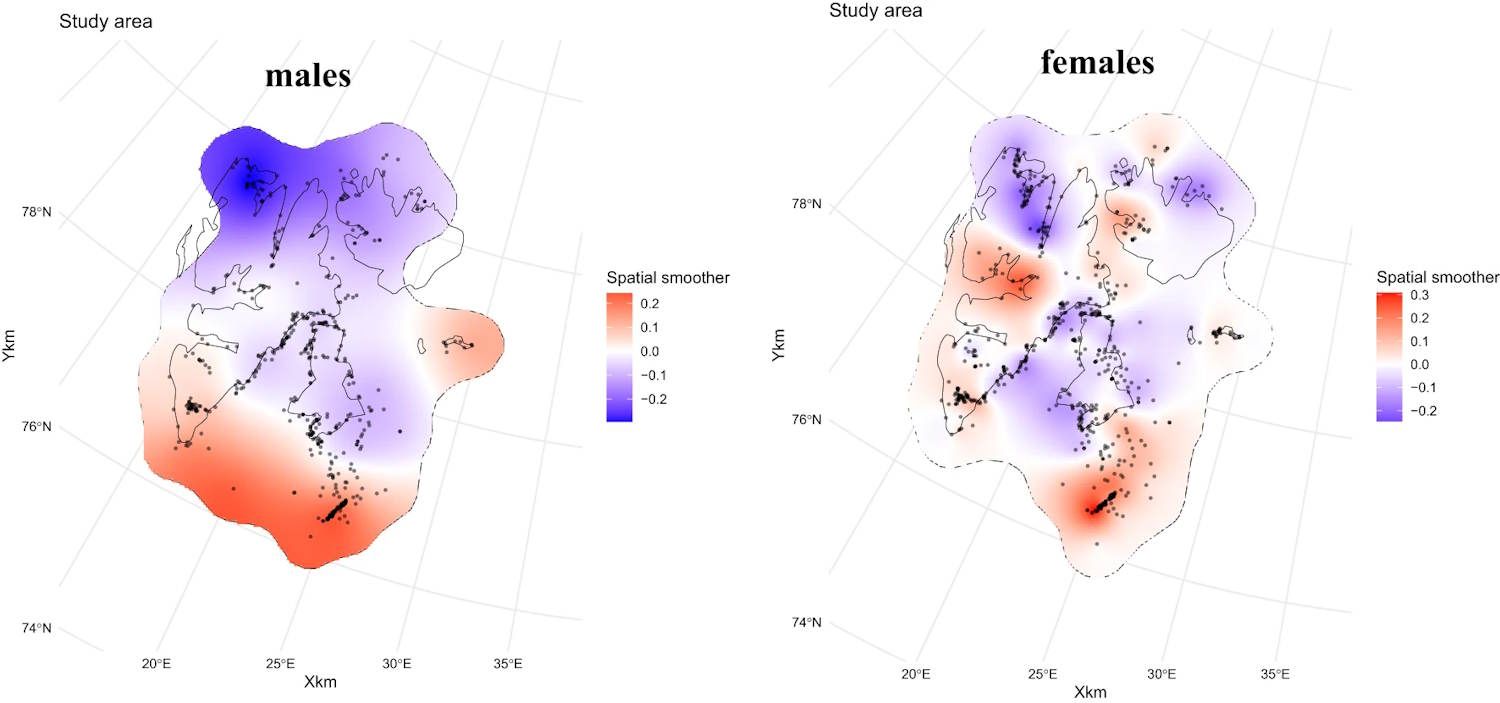
But above all it means that, at least in the Svalbard islands, the balance is changing. And this is never good news.
This also means that polar bears are increasingly influencing terrestrial ecosystems, particularly bird colonies, and are becoming a more important part of Svalbard’s terrestrial ecosystem than before
And unfortunately it doesn’t even mean that polar bears are safe (among other things to the detriment of other species): in the long term, in fact, it is still likely that physical conditions will worsen with the continued loss of sea ice.
Polar bears depend on sea ice for a minimum period each year, but we don’t yet know where this critical threshold is
underlines Aars
However, physical condition is considered an early warning indicator, and changes in this area could be among the first signs of more serious consequences in the future. That’s why monitoring data like the one analyzed in this study is important for overall management.
The work was published on Scientific Reports.
Sources: Norwegian Polar Institute / Scientific Reports
