
The reasons are different and, unfortunately, now well known. On the one hand, the price lists continue to rise with the mid-range reaching the premium prices of a few years ago, on the other the increasingly frequent software updates, fueling the perception of ecosystems that age very quickly. The data, however, speaks clearly: iPhone remains the undisputed dominator of the telephony sector with a market penetration of around 20%.
Those who want to save without having to give up quality, instead of hunting for discounts, can focus on the second-hand market; a market which, in recent years, has also seen the growth of refurbished products.
One guarantee, many advantages
Buying a used iPhone from a private individual through a social marketplace or an ad platform is often not very transparent. Users end up relying only on the seller’s words and a few photos, often with formulas like “seen and liked”: implicit promises that speak of “good functioning of the product”, without real guarantees, except for the protection programs offered by some platforms.
Once the exchange of money is concluded, in the vast majority of cases, the relationship ends there. Unfortunately, problems can arise even weeks after the formal conclusion of the purchase: the Wi-Fi module can break, the screen may have dead pixels (pixels that remain stuck on a single color regardless of the underlying image), the antennas may not perceive the telephone signal due to a fault and so on.
The traditional second-hand market, in these cases, lacks protection and it is precisely here that the first characteristic of reconditioned products comes into play. Just try searching for a refurbished iPhone on refurbed to understand the differences compared to the classic ad marketplaces: the product behind it brings with it the care of a structured industrial process, not the improvisation of classic second-hand products.
The first big difference is the presence of legal guarantee mechanisms which acts as a safety net for the consumer; by law, professional sellers must offer coverage ranging from 12 to 24 months depending on the seller and the regime applied. Translated: if a hardware defect emerges that is not attributable to the user, the consumer has precise and actionable rights, starting with the repair of the device. If the problem is not resolved, a replacement with an equivalent product may be triggered and, in applicable cases, even a refund.
Products reborn with an industrial approach
The biggest difference between traditional used and reconditioned it lies in the level of quality with which the product is put back on the market.
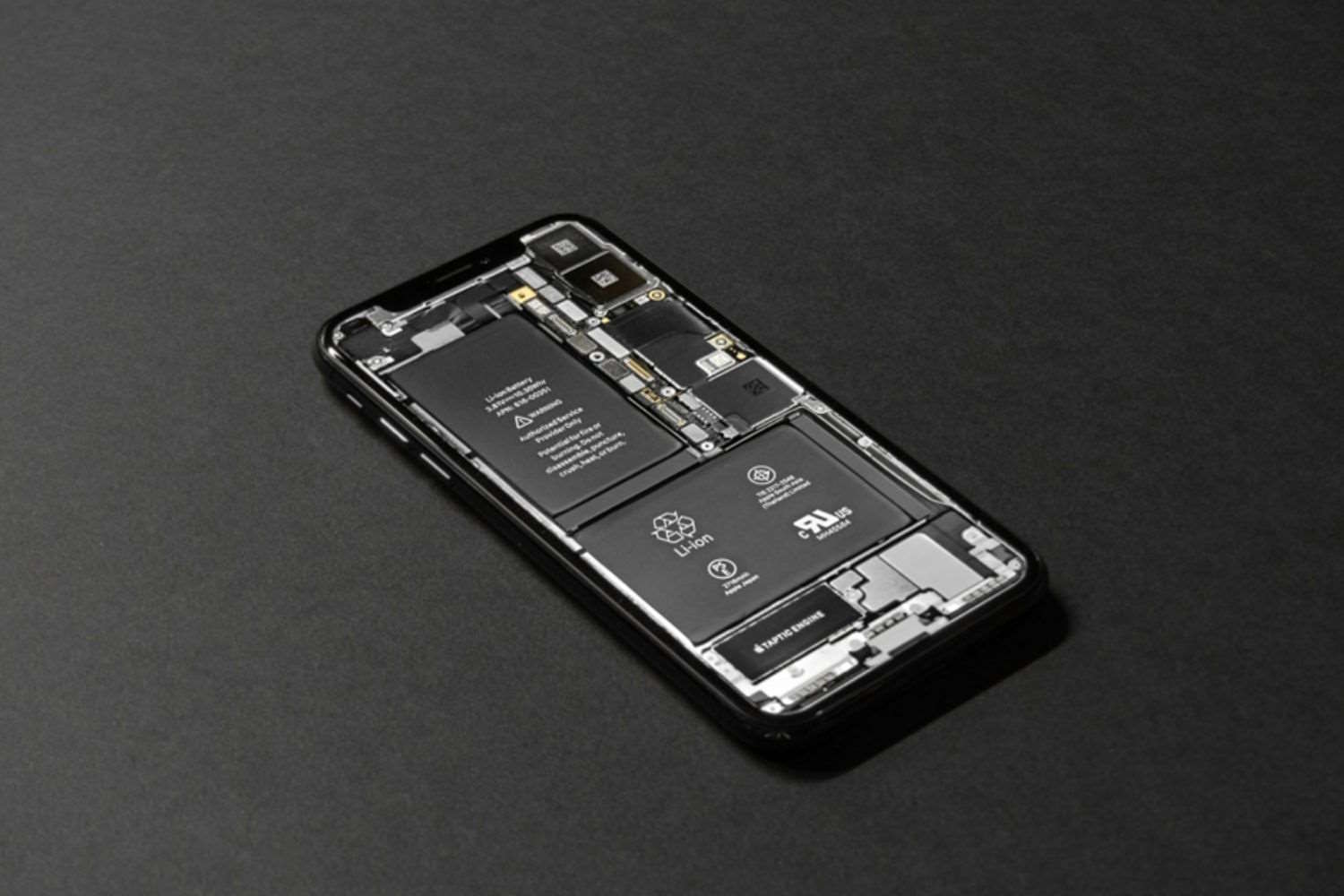
Before becoming available for purchase again, a refurbished iPhone is subjected to a series of in-depth checks; the purpose of these is the evaluation of the components and characteristics of the device, examining the camera, sensors, screen status, speaker volume and everything necessary for using the smartphone. This check up is what allows a product to be placed on the market with a quality level different from traditional used ones: those who purchase refurbished can make the choice being able to consult a detailed technical sheet that outlines the health status of the iPhone.
The evaluation of the health of the battery is essential to be able to put a salable product back on the market and is therefore carried out with great care. Its degradation is a inevitable chemical phenomenon influenced by how the charging process is carried out during the life cycle of the device. Buying a used smartphone very often means taking home the “legacy” of the previous owner: especially when it comes to the battery, the component that is most affected by daily habits. There are those who leave the phone plugged in for hours after reaching 100%, those who charge it in hot environments or under direct sunlight, and those who put it under pressure with sessions of intense use while it is already under stress (gaming, video recording or photo editing are perfect examples) while continuing to charge it in the meantime.
Such behaviors, when repeated over time, accelerate the wear of the battery, reducing its autonomy and stability; This is where refurbished comes in. Through in-depth tests, the state of the battery is verified taking minimum efficiency parameters as reference; if these are not reached the component is replaced.
This way it becomes possible indicate the remaining battery capacity in the technical data sheet that accompanies the advertisementso as to offer the buyer a level of transparency that, in the traditional second-hand market, is rarely guaranteed.
The eye also wants its part
Another aspect that is little talked about when we talk about used iPhones is the level of health of the body and the hygienic context in which the phone is placed upon delivery. A device may have obvious signs of wear, which however can be easily masked by the limitations of the platforms: undeclared scratches, residues of dirt in the speaker grills, fingerprints left after a cursory cleaning are some examples of problems that do not always become visible in the photos and which can be omitted even in good faith from the descriptions.
One of the advantages of the industrialization of new sales processes is the presence of a classification of devices that is absent elsewhere; a shop that sells refurbished, in fact, is required to indicate the aesthetic state of the device he is selling using an alphabetical evaluation summarized as follows:
The positive impact of refurbished products on the environment
Manufacturing a smartphone from scratch it is a process with an environmental impactbetween rare earth extraction, large amounts of energy used during the various assembly processes and an extremely complex global supply chain.
By purchasing a refurbished iPhone, a consumer can extend the life cycle of the device in question by reducing the amount of electronic waste (what in Italy we call WEEE) generated during the life of the product and, consequently, reducing the emissions linked to the production of new components.
Choosing refurbished products allows consumers to support circular economy models capable of contributing to reducing pressure on the environment from the technology sector. Buying refurbished is therefore much more than choosing based on economic convenience: it also means reducing the environmental footprint for the same use.
