
Who hasn’t spent endless hours tossing and turning in bed? Insomnia affects millions of people, and often the solution seems to be only in drugs. However, there is a different method, acupressure, an ancient technique of traditional Chinese medicine that allows you to stimulate specific points on the body through finger pressure, without the need for needles or medicines. Three points in particular can make a difference in the quality of your sleep, and anyone can learn to massage them on their own.
What makes acupressure effective
Acupressure is based on the principle that energy channels, called meridians, run along the human body, on which pressure can be applied that can influence the flow of energy and stimulate a series of physiological responses that promote relaxation. A meta-analysis published in PubMed examined 32 randomized clinical trials of moderate to high quality, demonstrating that acupressure can significantly improve sleep quality. The results showed a 13-19% improvement in Pittsburgh Sleep Quality Index scores – a self-assessment test that measures perceived sleep quality over a month – with particular effectiveness on sleep latency and overall rest duration.
The mechanism of action involves the nervous system: the stimulation of the points activates small nerve fibers in the muscles, transmits signals to the higher nervous centers and promotes the release of endorphins and serotonin, neurotransmitters which induce a state of deep relaxation and prepare the body for sleep.
First point: Shenmen, the gate of serenity
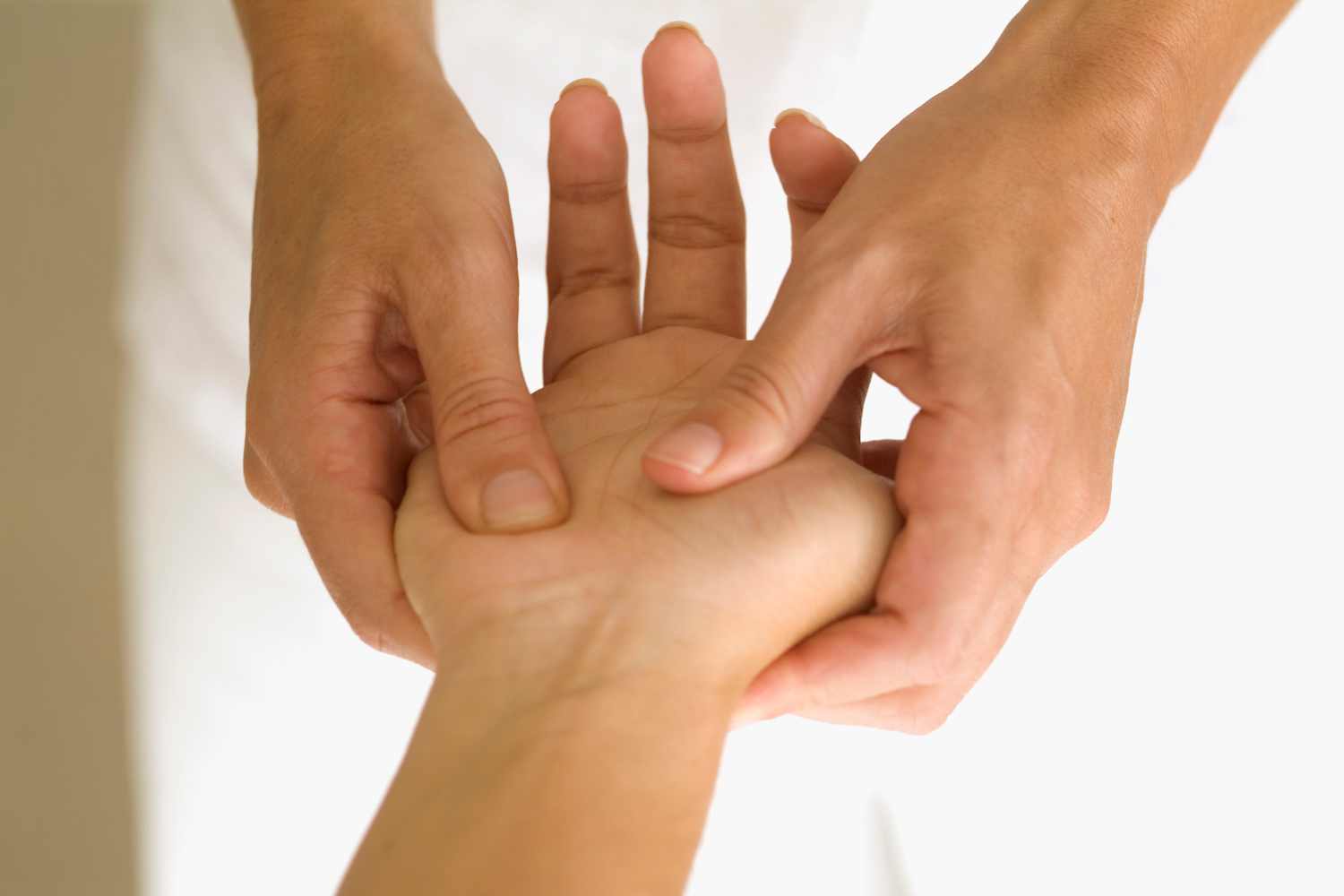
The HT7 point, called Shenmen or “door of the spirit”, represents one of the most powerful allies against insomnia. It is located on the crease of the inner wrist, on the side of the little finger. To locate it precisely, you need to follow an imaginary line that goes down from the little finger until it meets the crease of the wrist. At that point you can feel a small cavity between the tendons.
The massage should be performed with the thumb of the other hand, applying firm but comfortable pressure for approximately 2-3 minutes. The movements can be circular or from top to bottom. Shenmen acts on the heart meridian and is used not only for insomnia, but also to calm anxiety, reduce palpitations and recover mental serenity. A study confirmed that HT7 stimulation produces important improvements in sleep quality and contributes to reducing the latency to fall asleep.
If you are going through a period of high stress, or are experiencing emotionally intense experiences, you can particularly benefit from this massage. Daily practice, even just a few minutes before bed, helps re-establish internal balance and prepares the body for rest.
Second point: Neiguan, the inner gate
The PC6 point, known as the Neiguan or “inner gate,” is located on the inner forearm, about three finger widths away from the crease of the wrist. To locate it, you need to place three fingers horizontally on the inside of the wrist: the point is located exactly where the third finger ends, between the two central tendons that can be felt by touch.
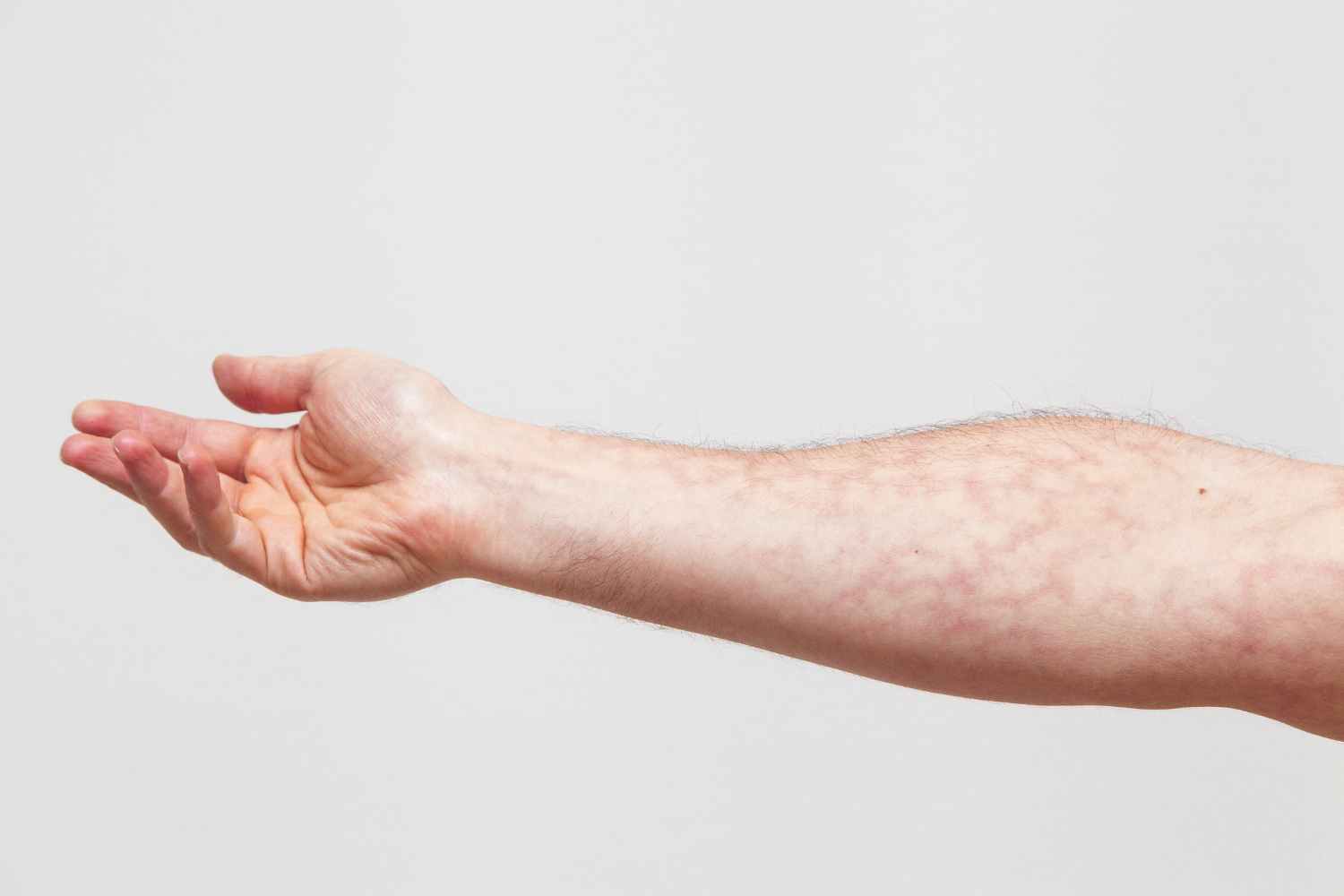
Pressure should be applied with the thumb, maintaining a constant force for 4-5 seconds and repeating the movement with circular or up and down gestures. This point has a very important relaxing action, as it helps you relax, improves sleep and reduces the response to stress. Research in NCBI used functional MRI to explore the effects of acupressure on PC6 in patients with anxiety. The results demonstrated how the stimulation of this point can modify the activity of specific brain regions linked to emotions, calm the nervous system and promote relaxation.
PC6 is also particularly useful for those suffering from digestive disorders or nausea, symptoms that often disturb night’s rest. Its ability to calm the nervous system and promote a state of mental calm makes it essential for deep sleep. Further studies confirmed that acupressure on PC6 increases vagal activity and suppresses cardiac sympathetic nervous activity, effects that prove beneficial for those with circadian rhythm disorders, including night shift workers.
Third point: Anmian, the peaceful dream
Anmian, literally “peaceful sleep,” is located behind the earlobe. The spot is easily found by placing a finger on the mastoid bone that protrudes behind the ear and sliding it into a small cavity about an inch from the base of the skull. This is a point specifically dedicated to sleep, widely used in acupuncture and acupressure.
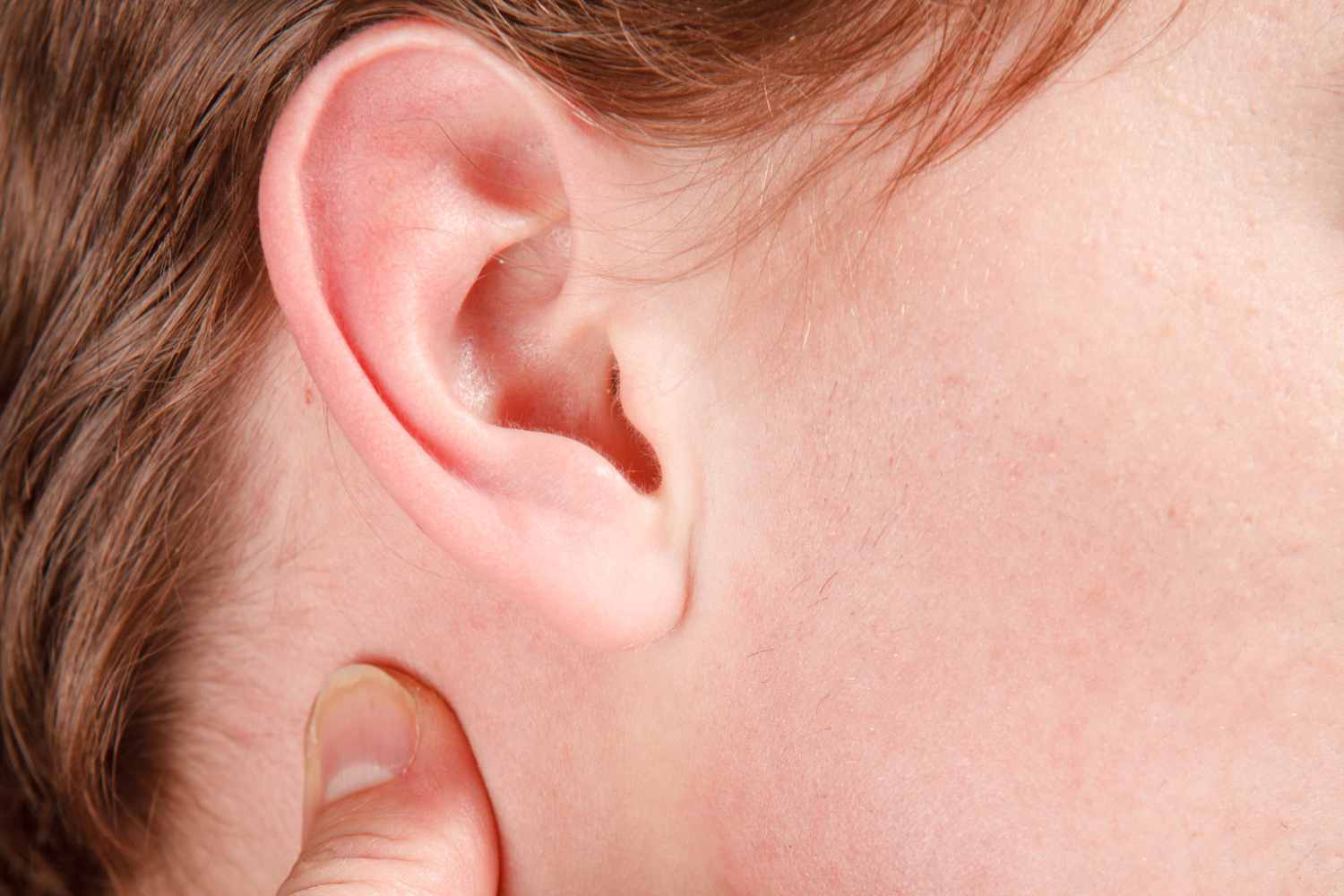
Anmian massage can be performed with the thumb or forefinger, applying gentle circular pressure for 2-3 minutes. The movement must be slow and accompanied by deep breathing. A study published in PubMed evaluated the effectiveness of acupressure on Anmian in 60 patients with insomnia. The group that received meridian point treatment combined with the three Anmian points showed significantly greater improvements in sleep quality than the control group. Stimulating this point reduces the heart rate, calms the mind and facilitates the transition from wakefulness to sleep.
A systematic review analyzing 94 clinical studies on acupuncture for senile insomnia identified Anmian as one of the most frequently used points in effective treatment protocols, along with Shenmen and Neiguan. It is particularly effective for those who suffer from frequent awakenings caused by mental stress and/or physical exhaustion. Regular stimulation can help reduce the use of sedative medications and improve your overall quality of life.
How to practice acupressure
To achieve concrete results, consistency is essential. Scientific studies indicate that standardized protocols involve the application of 3-5 kg of pressure for 1-5 minutes for each point, repeated 3-7 times a week for a period of 3-4 weeks. In daily practice, it is sufficient to dedicate a total of 10-15 minutes before going to bed.
Breathing plays an essential role: it must be slow, natural and deep. The best time to practice is in the evening, after having prepared the environment for rest. The ideal is to be in a quiet place, with soft lights and no distractions. Acupressure does not replace medical treatment when insomnia results from specific pathologies, but it can still represent a safe and effective method of support, free of side effects.
Those approaching this technique for the first time can start by working on a single point and then gradually add the others, the important thing is to listen to the sensations of their body: the pressure must be firm but never painful. With practice, it becomes possible to recognize the points with greater precision and modulate the intensity of the massage according to your needs.
We remind you that in case of insomnia problems it is always advisable to contact a specialist, who will be able to identify the causes and draw up a possible therapy.
