
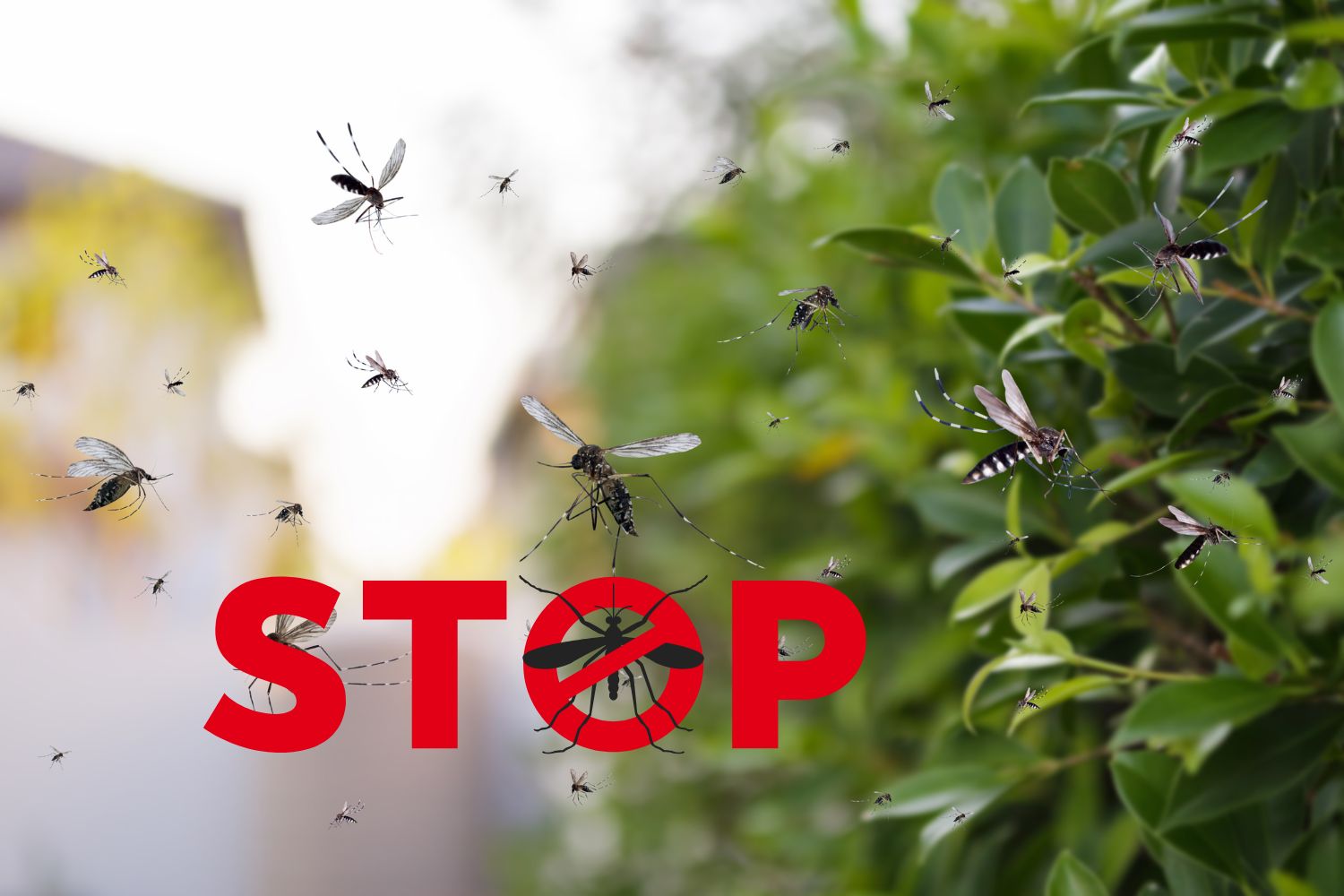
In Florida there is an experiment that seems to have come out of a science fiction novel but which promises very concrete benefits: the controlled release of genetically modified mosquitoes To counteract the spread of Diseases such as Dengue, Zika and yellow fever. The protagonist of this initiative is theAedes Aegyptia species that represents only a small percentage of mosquitoes in the region, but is responsible for almost all of the infections transmitted to man.
The heart of the project is the genetic modification of males of the species who do not sting and therefore are not a direct vehicle of diseases. These specimens are bearers of a self -limiting genedesigned for kill the females of the offspring In the early stages of development, letting only males survive. In this way, generation after generation, the population of female mosquitoes – those that actually point out and transmit viruses – should collapse of coursewithout the use of pesticides.
The technique was developed by the company Oxitecwhich in the past has already conducted similar tests in countries such as Brazil, Panama and Malaysiaobtaining a reduction in the populations of Aedes Aegypti up to 90%. In the United States, this project represents one of the first large scale applications of Bioengineering insects For health purposes, after experiments on other agricultural parasites such as the diamondback carpets and pink worms.
The process of creating these mosquitoes
But how do these mosquitoes are created? The process begins in the laboratory, where it comes injected the modified gene directly in the eggs. To monitor its diffusion, a fluorescent markervisible under a microscope. The goal is simple but ambitious: stop the transmission chain of the most dangerous diseases in the world.
The technology has already received the green light from the US authorities such as the FDA and EPAwho considered it safe for man and the environment. However, scientists underline the need for long -term monitoring To evaluate the overall effects on the ecosystem.
In a context in which the resistance to insecticides It is increasing and climate change amplify the spread of mosquitoes in new areas, this innovation could mark a paradigm change in the fight against epidemics of tropical origin.
