
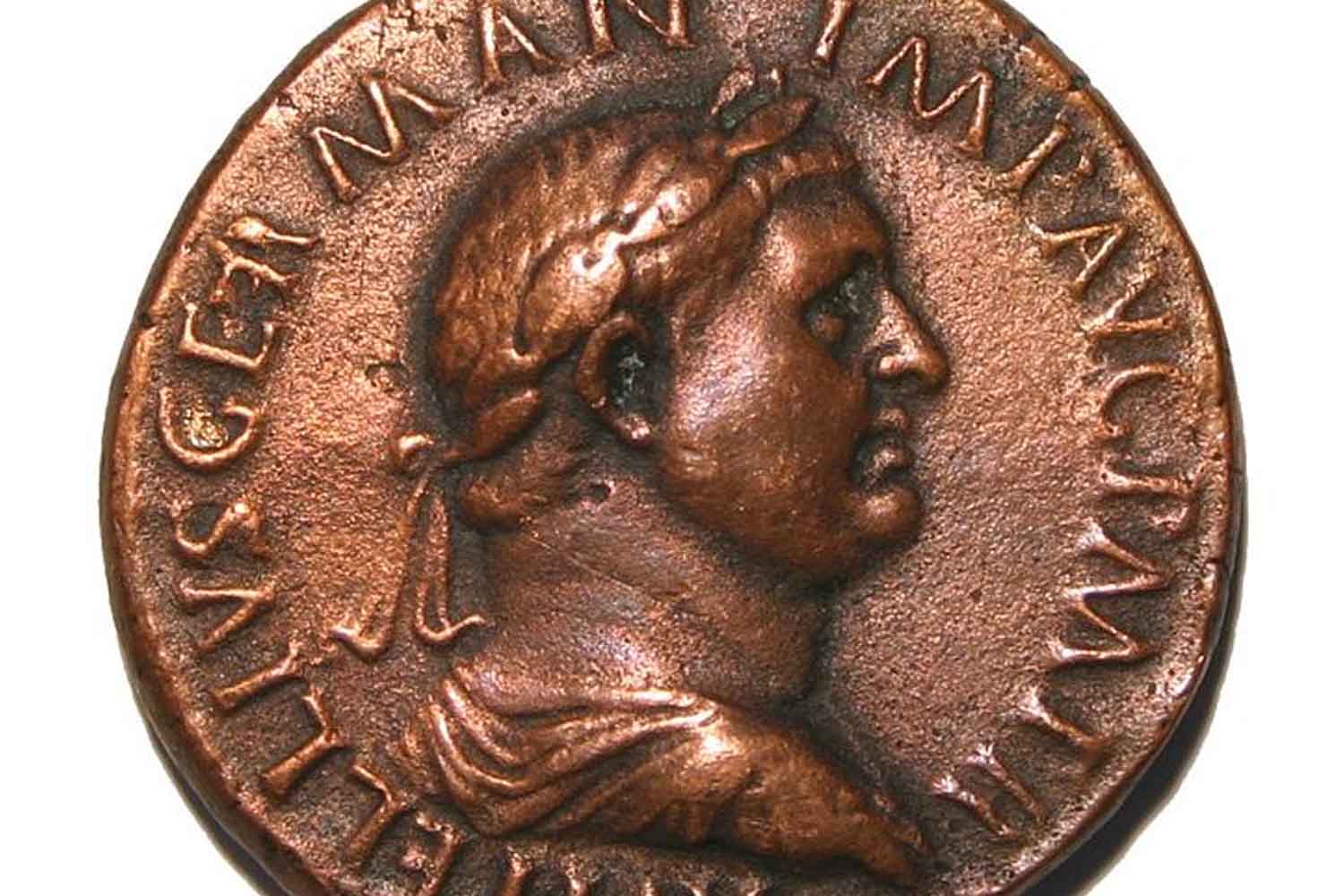
A Roman Aurean of 69 ADconsidered the first never found in the United Kingdom, was discovered by a passionate metal seeker after six years of research in the same agricultural field, near Dudleyin Western Midlands. The coin, attributed to the emperor Aulo Vitelliowas auctioned for a figure that passed the 6,000 dollarsconfirming its immense historical and archaeological value.
Ron Waltersretired and former welder, has dedicated his passion to metal detecting, concentrating his research for years in a single field, visited every spring and autumn, in the periods when there were no crops. After six years of patient waiting, he finally discovered something extraordinary. The day of discovery began with a doubt: Ron was about to give up going out, but on his wife’s insistence he decided to take his metal detector anyway and set off.
After a couple of hours in the field, a signal intrigued him. He started digging, but the signal was lost. Then, about 60 centimeters away, another report led him to a block of land. Opening him, the gold coin fell directly into his hand. The heart beat me to the impazzate. I immediately put it in my pocket and ran home.
A find of almost two thousand years in perfect condition
According to the experts, it is the The first aurean of Aulo Vitellio never found in the British Islands. The coin, old of 1.955 yearsis extraordinarily preserved, despite centuries spent underground. The fact that he has escaped the pitch for so long makes it even more rare. Mark Hannamnumismatic expert of the auction house Fieldings auctioneshe defined the finding “a unique piece of history” and stressed that the purity of the first century gold makes this type of coins particularly precious.
In England, most of the Roman coins found dates back to the third or fourth century, therefore a specimen of 69 AD is a truly exceptional event. Walters hypothesized that the coin may have arrived in England through a Roman soldier, perhaps passed through France.
The proceeds from the auction will be equally divided between Walters and the owner of the field, as required by British law on archaeological finds. For those who practice metal detecting, a Roman currency represents one of the greatest goals, according to only perhaps Anglo -Saxon gold.
Rare Roman Coin Fetches Nearly £ 5,000 at Auction-76-Year-Old Ron Walters Found The Coin With His Metal Detector in A Field Near Dudley Last Year. street @Bbc https://t.co/moxxyeczmn pic.twitter.com/mnkqv6ifkr
–
Viking Resistance HQ
(@Vikingfbbbbr) March 30, 2025
