
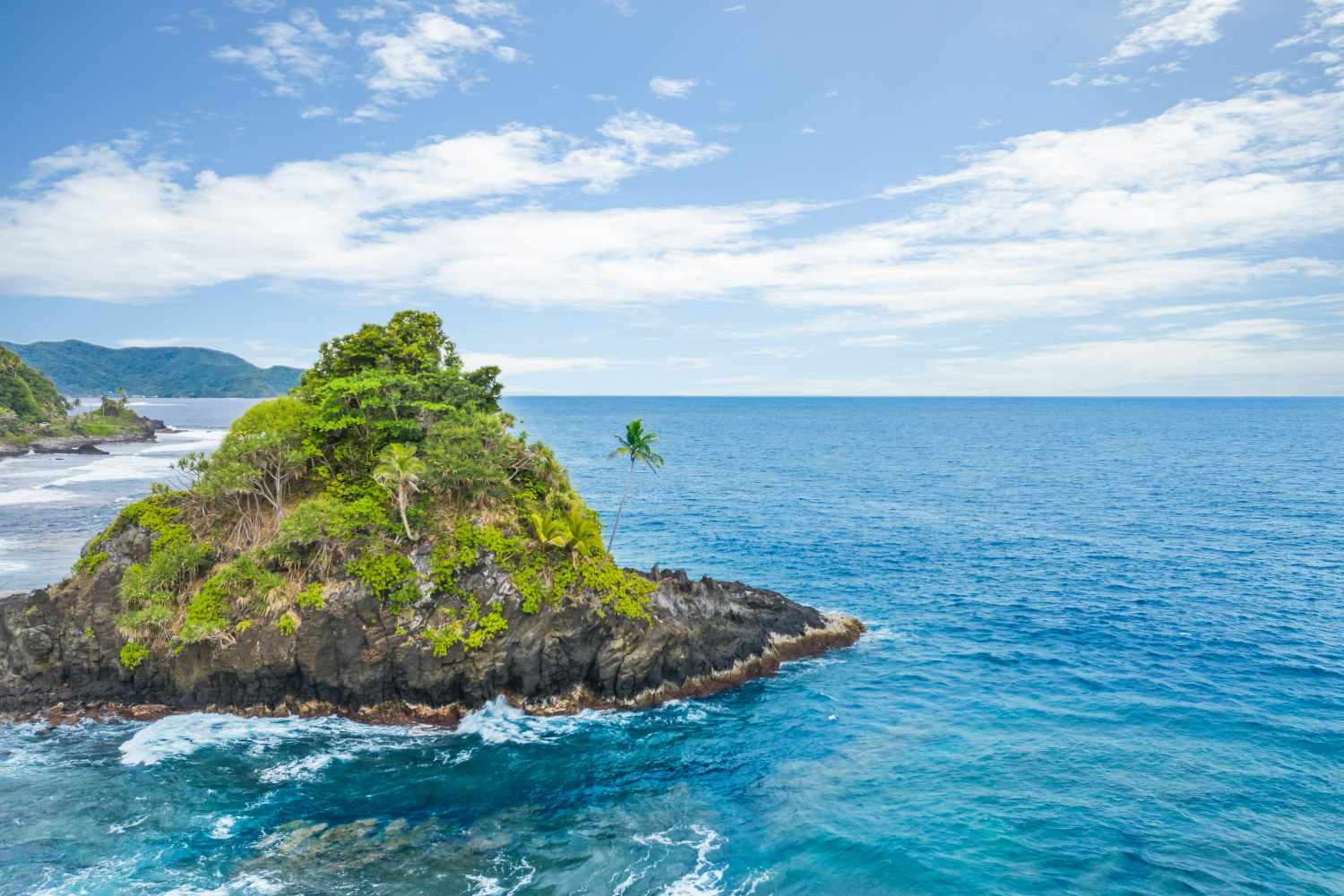
With a global pioneering action, Samoa announced the creation of nine new protected marine areas (MPA) who will cover 36,000 km² oceanequal to about the territory of Vietnam. This represents a fundamental step to achieve the global objective of 30 × 30i.e. the 30% protection of oceans by 2030.
The new Marine space plan (Marine Spatial Plan), legally adopted by the Government under the 1989 Environmental Act, provides not only the total protection of these areas (in which any mining activity is prohibited, from fishing to the installation of artificial barriers), but also the Sustainable management of 100% of national waters within five years.
This plan integrates systems of traditional management Already existing, such as fishing reserves and marine areas managed by local communities. The direct involvement of 185 Community has guaranteed a participatory approach, based both on ancestral knowledge both on Modern scienceto ensure effective protection of marine ecosystems.
A legally binding commitment, a commitment to follow
Samoan waters host a unique biodiversity: from Hawksbill sea turtles to the Delfini Spinnerup to the Gobide of Taeiendemic species of the Samoans reefs. The area is also an important migratory corridor for the whale megatte.
The Minister of the Environment Cedric Schuster He defined the “a historical step” plan for the protection of a heritage that represents the country’s cultural, economic and environmental base. In a context in which the climate changetheOverfishing and the Habitat degradation They threaten the Pacific islands, Samoa is positioned as a leader in sustainable marine governance.
Samoa’s move proposes itself as Example for other countries. According to the director of the Pacific Ocean Policy, Kevin Chand, the contribution of the Pacific nations could be decisive to stimulate concrete action at an international level.
Organizations such as the Waitt Institute and Conservation International have praised the Samoan initiative, underlining the value of a legally binding commitment and based on Multilivelo collaboration. At a time when many “protected” areas in the world still allow destructive practices such as the dredging of the seabed, Samoa offers a virtuous example of real and inclusive protection.
