
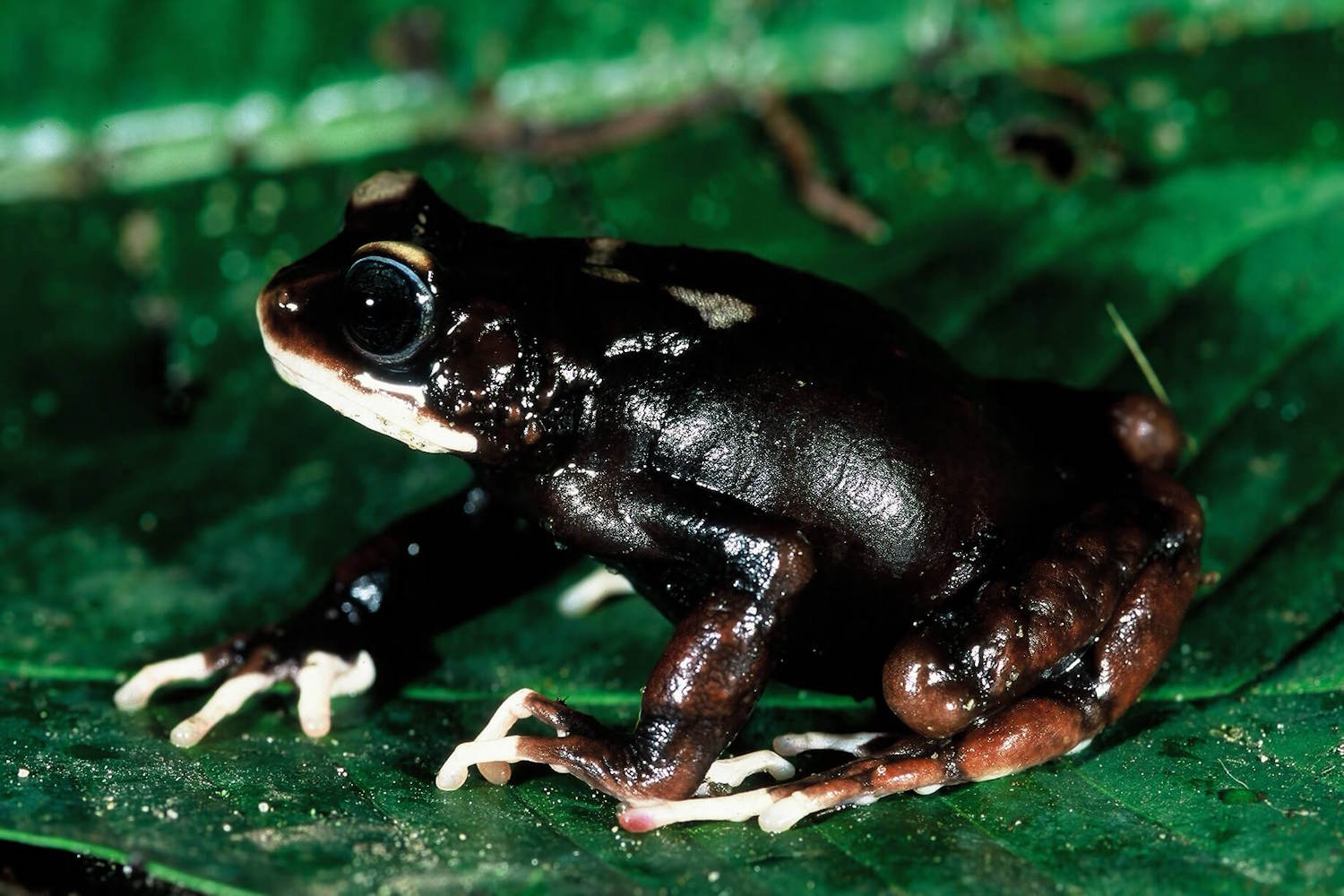
From toads directly to small toads: even if until now we thought it was impossible, now a group of researchers led byUniversity of Copenhagen (Denmark) has identified three species that give birth to already formed young that have “skipped” the larval stage, that is, that have never been tadpoles.
The three new species belong to an unusual group of African toads in the genus Nectophrynoidescommonly called ‘tree toads”, which, instead of laying eggs which hatch into tadpoles, carry their offspring inside their bodies and give birth to fully formed small toads, like mammals. This makes them among the very few amphibians in the world capable of internal fertilization and giving birth to live beings.
Frogs come in particular from Eastern Arc Mountains (EAM) of Tanzaniaan at-risk biodiversity hotspot, famous for its many species found nowhere else on Earth.
It is well known that frogs are born from tadpoles: it is one of the classic paradigms of metamorphosis in biology – explains Mark D. Scherz, co-author of the study – But the almost 8000 species of frogs actually present a wide variety of reproductive modes, many of which do not bear much resemblance to that famous story
Only a handful of frog species from South America and Southeast Asia have developed similar strategies, making these toads rare in the animal kingdom.
Viviparity is exceptionally rare among frogs and toads, practiced by less than 1% of frog species, making these new species exceptionally interesting
commentChristoph Liedtkewho collaborated on the research
The identified frogs are currently preserved at Museum für Nature in Berlin, and the research team managed to obtain the DNA of the original frogs using methods collectively known as ‘museomics’.
Some of these specimens were collected over 120 years ago – explains Alice Petzold, who took care of this part of the work – Our museomic work was able to reveal exactly which populations those ancient specimens belonged to, giving us much more confidence for future studies on these toads
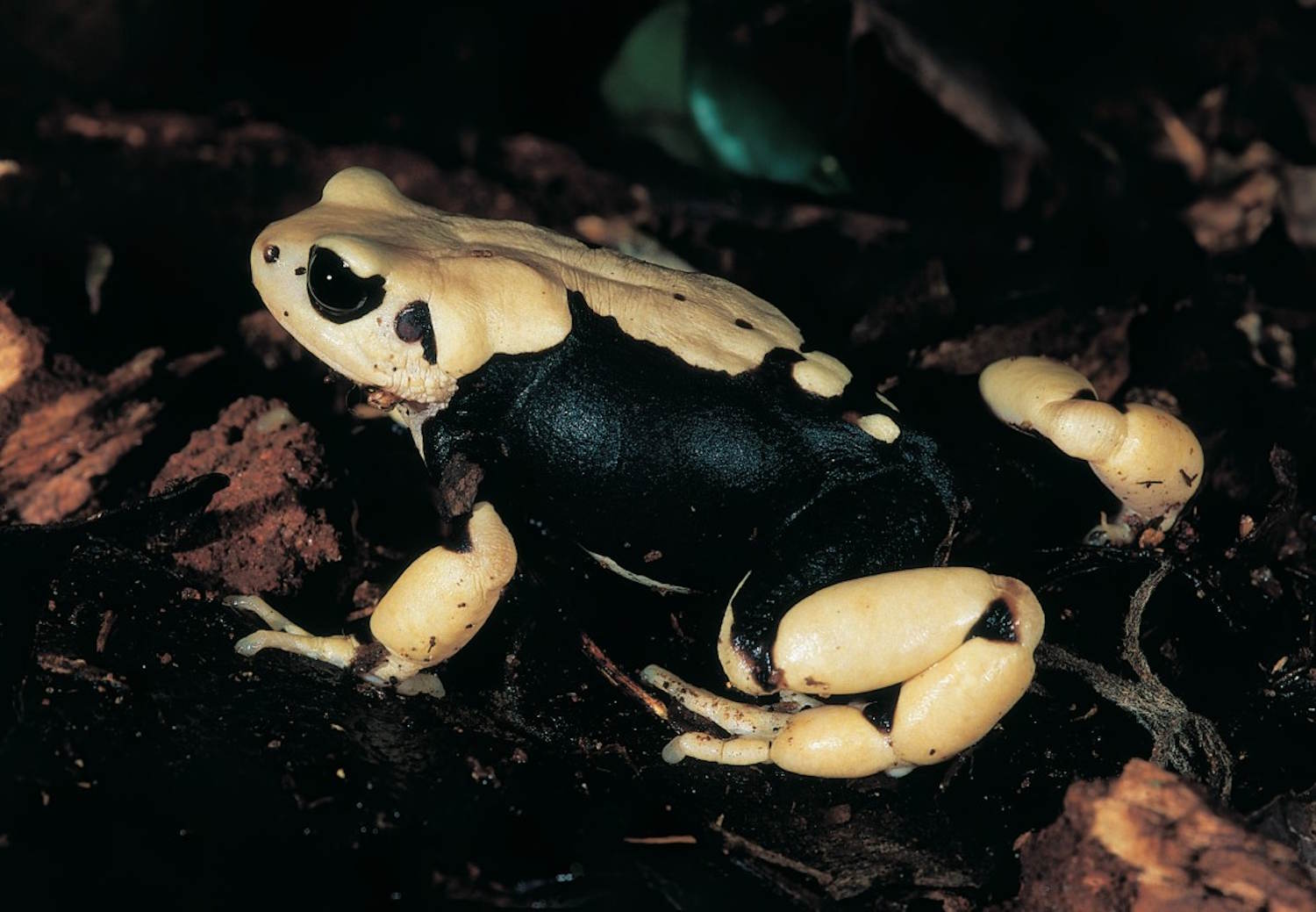
In addition to its evolutionary interest, the discovery could have important implications for conservation. In fact the habitatdespite being among mountains covered in lush forests, are small and fragmented, threatened by deforestation, mining and climate change.
The forests where these toads are known to be present are disappearing rapidly
reports John V. Lyarkurwaanother co-author of the study
Most tree toads are already on the verge of extinction, with one species of this genus, Nectophrynoides asperginisalready extinct in nature, and another, Nectophrynoides poyntonino longer observed since its discovery in 2003. The future of these splendid toads is very uncertain, but this discovery could really be a saving grace.
The work was published on Vertebrate Zoology.
Sources: University of Copenhagen / Vertebrate Zoology
