
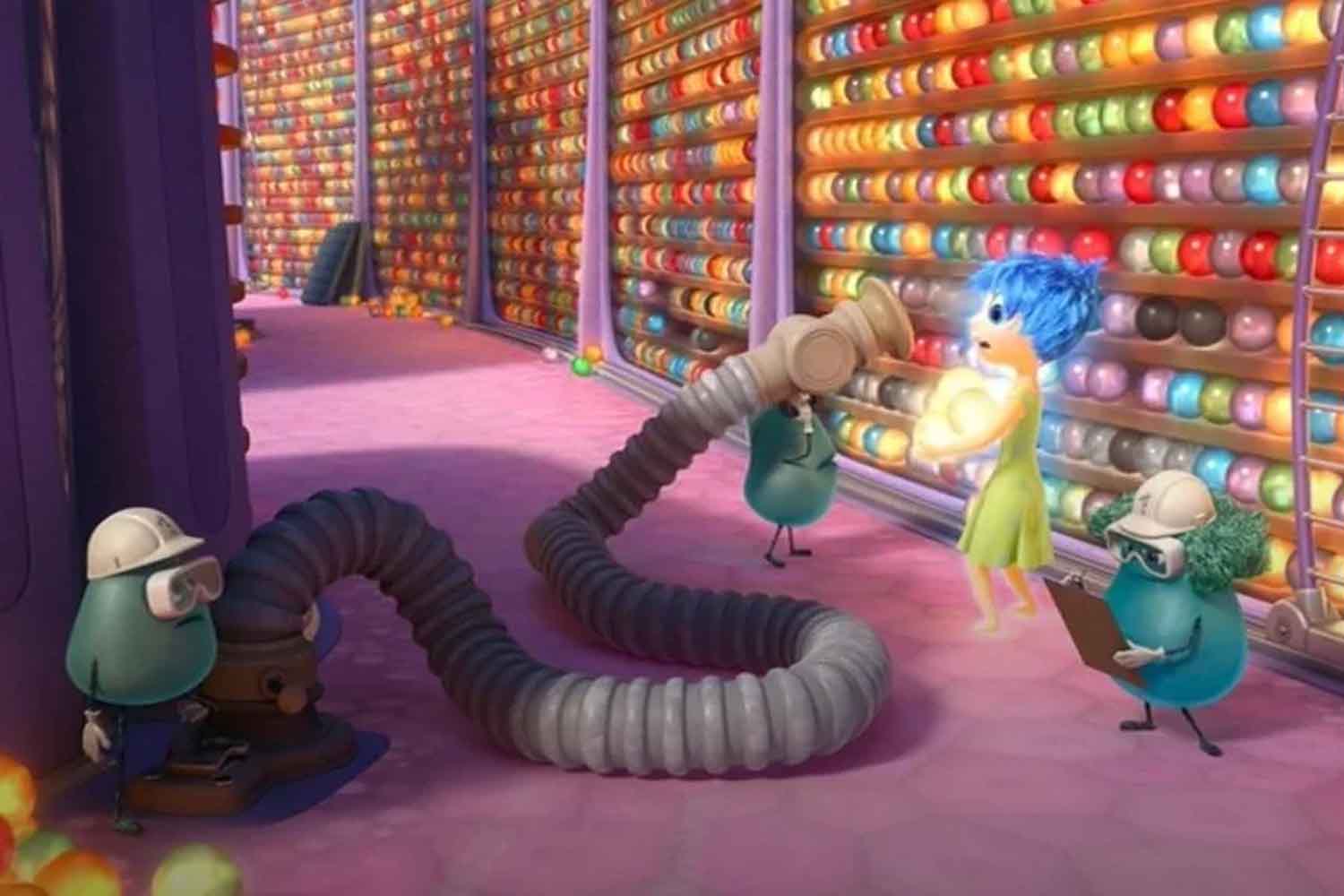
Some memories have the delicacy of a soap bubble: they shine for a moment and then disappear. Others, however, resist like those stains on the sweater that don’t go away even with three washes. A study by Rockefeller University, just published on Naturefinally tries to answer with a much more concrete approach than Hollywood has always led us to believe.
Scientists have discovered that the brain does not “archive” memories at random. There is a system made of small molecular timers, active in different brain areas, which decide how long a memory deserves to remain. It’s a bit like when in our real life we choose what is worth our time and what isn’t: it takes gradualness, not an on/off switch.
The team had mice walk around virtual reality worlds. When an experience repeated itself, the brain treated it as something that needed to be preserved. Things experienced only once, and of little significance, were instead quickly “let go”, almost with the same nonchalance with which we archive an unwanted message on WhatsApp.
Neuroscientist Priya Rajasethupathy explains it this way: memory is a constantly changing process. It is not born perfect and stable, it grows and strengthens, or fades away. A bit like relationships: some last, others evaporate in the space of a weekend.
The genes that protect memories as if they were fragile creatures
To understand what allows memories to remain, researchers used CRISPR technology to turn off certain genes in the thalamus and cortex. And there something enlightening happened: depending on the molecule eliminated, a memory lasted longer or shorter. As if each gene had a precise role in this chain of protection.
Three names emerge strongly: Camta1, Tcf4 and Ash1l. They don’t build memories, but they help them stay alive. Camta1 is the first to enter the scene, it gives a sort of “first support”. Later comes Tcf4, which strengthens the connection between the thalamus and the cortex. Finally Ash1l enters, which modifies the structure of the chromatin, almost armoring the memory as if it were locking it in a safe.
When one of these three is missing, memory shortens, shuts down and weakens. It’s as if the brain says: “If you don’t help me carry it forward, we’ll forget this thing”. And the most fascinating part is that Ash1l belongs to a family of proteins that even regulates the memory of the immune system. Yes: the same logic that makes us remember an infection also seems to be used to remember a moment in our life. Recycled biology, premium version.
From discovery to future treatments
This information is not only useful for understanding who we are, but could become fundamental in diseases that devastate memory, such as Alzheimer’s. If we could strengthen the next steps of memory, those after the hippocampus, we could compensate for the damage to the compromised brain areas. Kind of like building a detour when a road is broken and can’t be repaired. Rajasethupathy himself says it: if the first “stage” of memory doesn’t work and we know what the fundamental next steps are, we could push the brain to use healthier alternatives.
The next step will be to understand what turns on these timers. What causes one memoir to be taken seriously and another not. Emotion? Frequency? Stress? Social relevance? It is the great enigma that the laboratory wants to solve. Ultimately, we are all a bit of a peeker at our own brains. And now we have one more clue about how we decide which pieces of our lives are worth holding on to.
You might also be interested in:
