
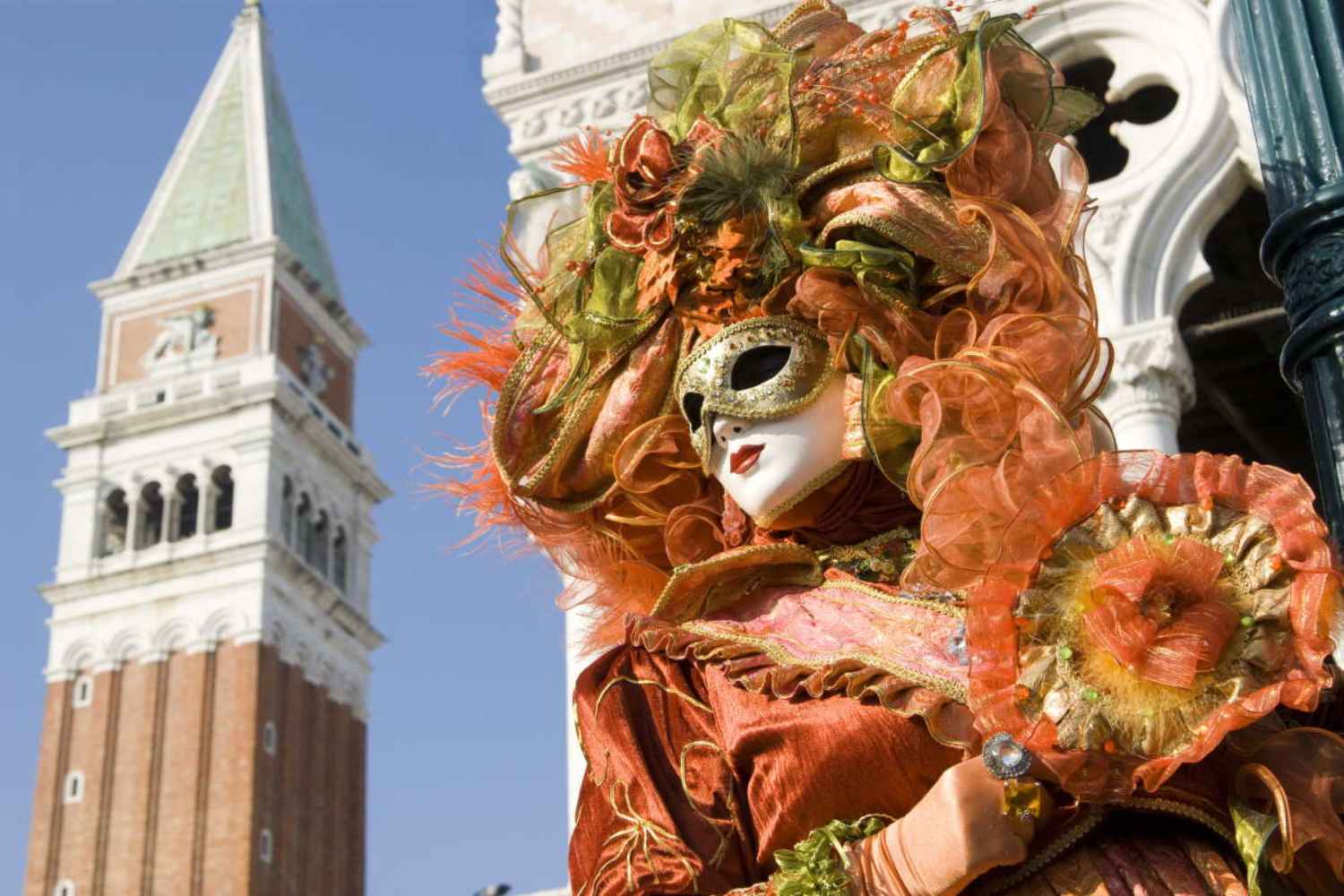
With the arrival of Shrove Tuesday the curtain falls on Carnival. After a week of celebrations and parades in various Italian cities, such as Viareggio and Venice, we are moving towards Lent, the period of preparation for Easter. But where does the name of this day of celebration come from? And what is its meaning?
The origin of the name
The origins of Shrove Tuesday can be traced back to pre-Christian pagan practices, in which communities celebrated the arrival of spring and the rebirth of nature. These holidays included rituals of abundance and exuberance, symbols of fertility and prosperity, to present oneself positively towards the cycle of life.
With the advent of Christianity, many of these rites were reinterpreted in a religious light. The holiday was thus incorporated into the Christian calendar as the last day of celebration and plenty before the start of Lent, a period of penance and fasting leading up to Easter. The Tuesday before the start of Lent is called this because, in the past, there was a widespread custom of overeating and indulging in sweets and rich dishes before the period of fasting and abstinence foreseen by Catholic tradition. This day represented the last opportunity to consume abundant food before entering the penitence phase. And even today for many it is a day in which people celebrate without paying attention to limits, closing the Carnival in style with masks, parties and banquets.
Typical foods of Shrove Tuesday
Among the most popular dishes at this time of year was meat, once considered a luxury for the rich and wealthy. But Carnival is also famous for its traditional desserts, which vary from region to region and are still highly appreciated today. Among the most famous we find:
The exception of Milan: the Ambrosian Carnival
While in almost all of Italy Shrove Tuesday marks the end of Carnival, in Milan the celebrations continue. The Lombard capital in fact follows the Ambrosian calendar, introduced by Saint Ambrose in the 4th century, instead of the Gregorian one.
Here the Carnival lasts a few days longer and ends on the Saturday before the first Sunday of Lent.
