
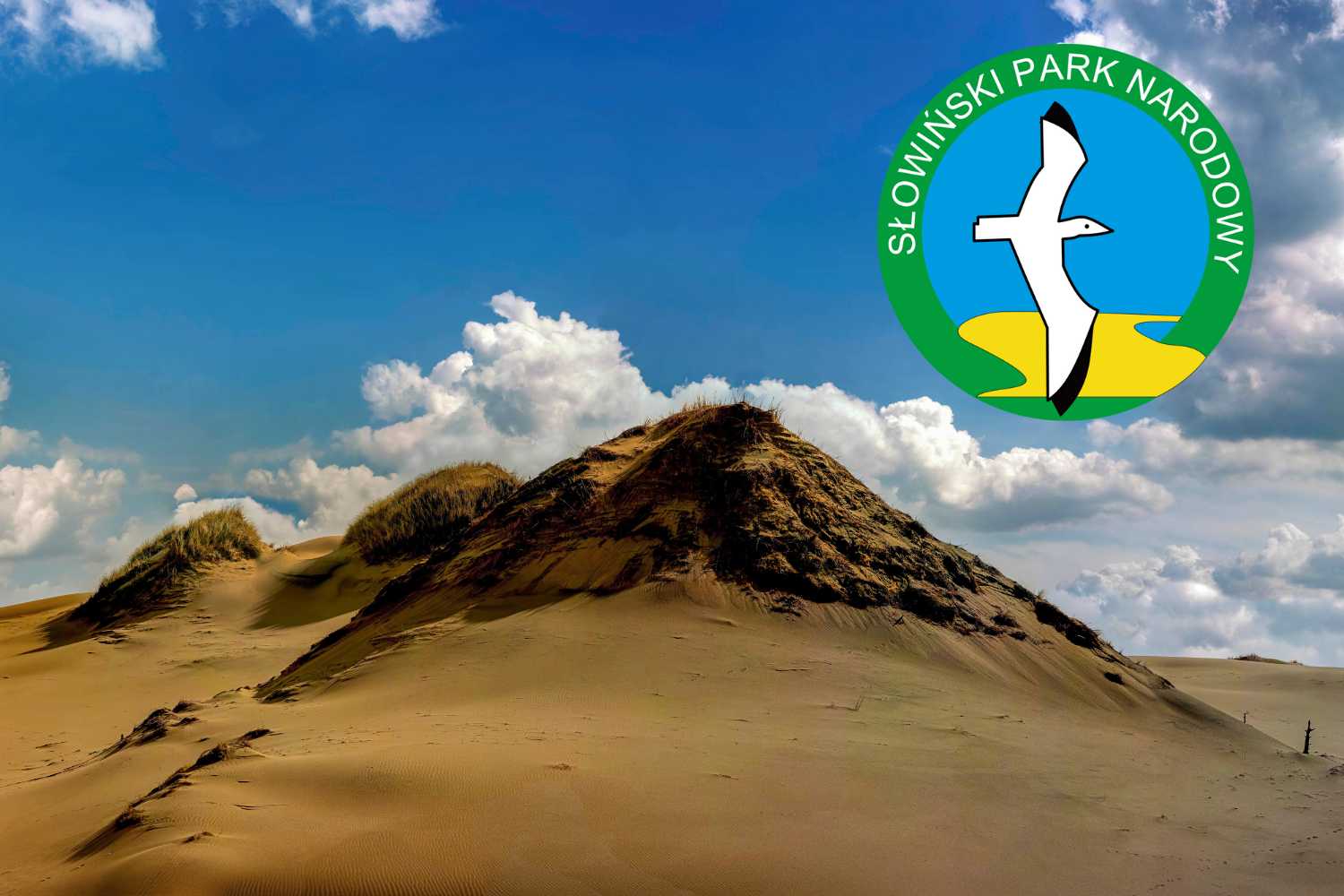
We decided to lead you to a corner of Poland in which the sea leaves room for sand, which in turn makes wind, an artist’s wind that draws waves, sculpts ridges and cancels paths. We are in the Słowiński National Park, overlooking the Baltic Sea, a place that looks not like, and for this reason it remains imprinted in memory as a mirage. Someone calls him “the Sahara of the North”, even if this definition, to tell the truth, is close to him.
Located in the northern part of the country, in the Pomerania regionthe Słowiński National Park extends over 327 square kilometers, a large surface that houses a large variety of landscapes, perhaps the most characteristic aspect of the place. In a few kilometers you pass from pine forests to sandy expanses, from coastal lakes to peat, from dunes up to 40 meters high to solitary beaches where time seems to have stopped. And when you get to łeba, the town that acts as an entrance door to the park, you immediately feel a kind of suspension, as if the landscape was preparing to become, again, something else.
The walking dunes
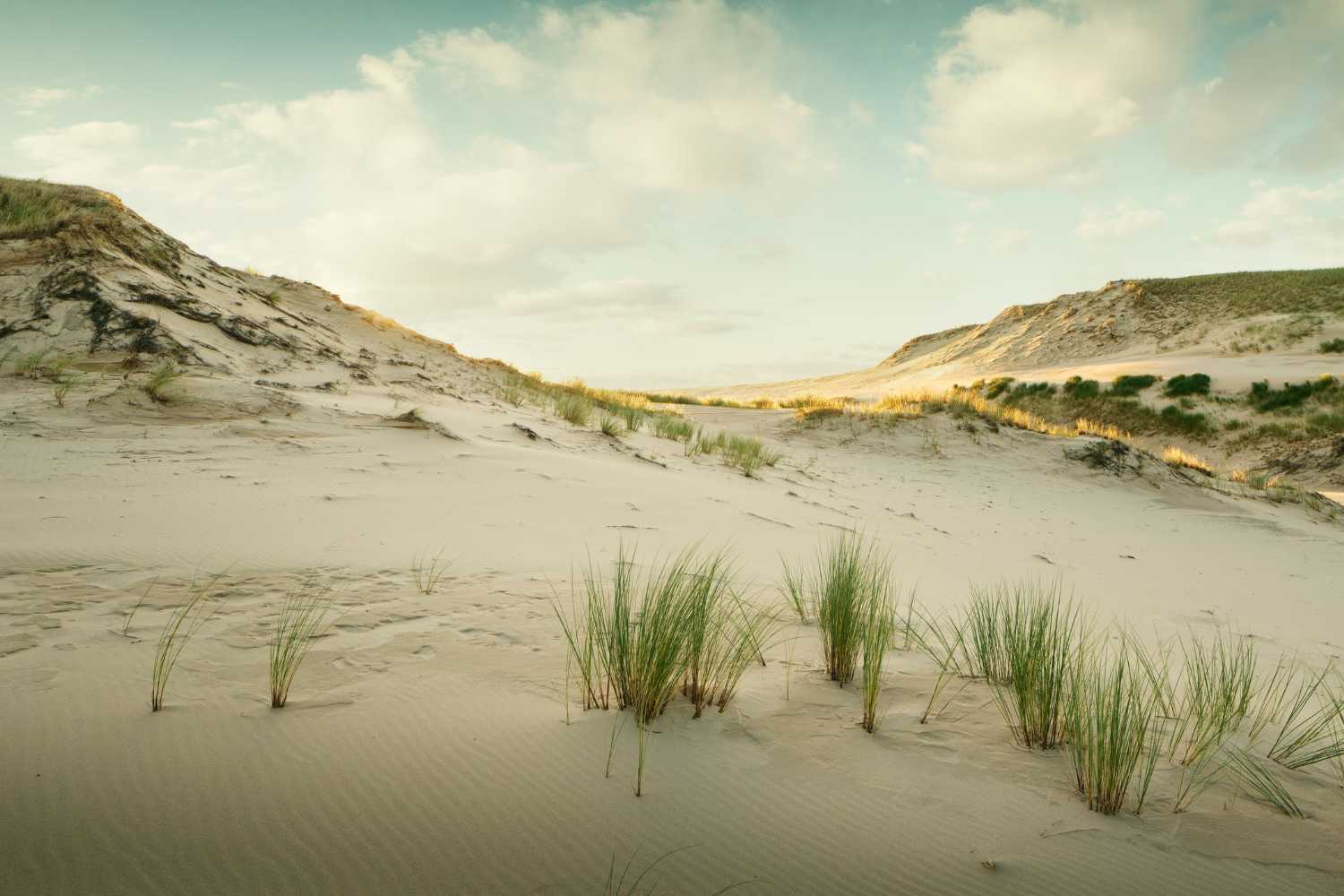
The heart of the park is represented by the famous mobile dunes, the huge sand hills driven by the wind towards the hinterland. Every year they move by a few meters, erasing trees, covering paths, rewriting the geography of the place, a slow but inexorable process: the highest, such as the łącka Góra, exceed 40 meters. Climbing it is tiring, but the view from above repays: a white wave that breaks against the wood line. And beyond, the blue of the Baltic that cuts the horizon.
- The mobile dune łącka, among the main attractions of the park: 42 meters high, moves up to 5 meters per year. @wikipedia
The feeling is to be in a surreal landscape: no vegetation, only sand and sky. The noise of the wind is constant, but not annoying. It seems the breath of the place, something that accompanies and guides, where silence is not empty but presence.
Between sea and brackish lakes
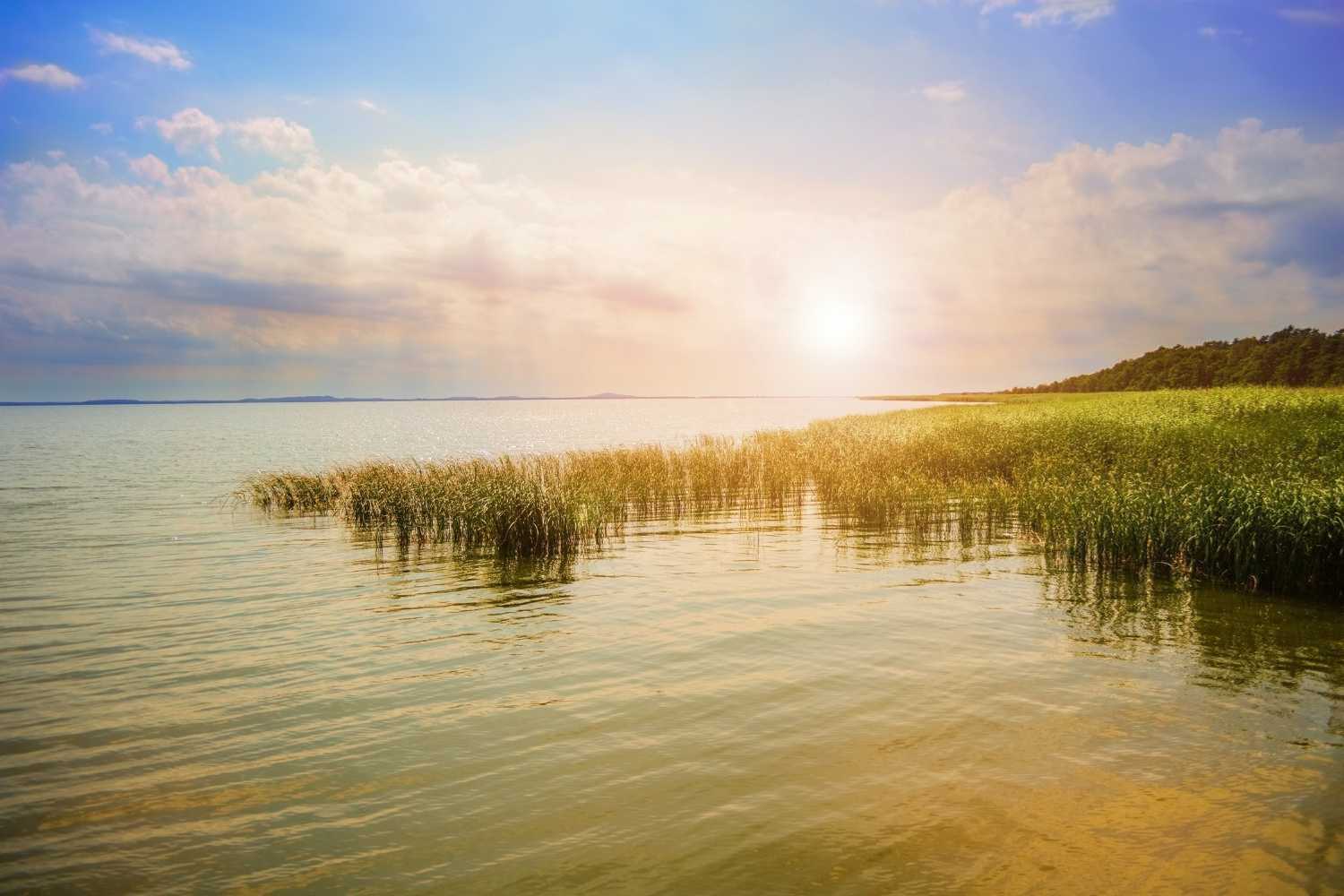
- Lake łecsko
Słowiński is a coastal park, of course, but the sea is not the only protagonist. Next to the dunes, large sweet and brackish water mirrors open, such as łecsko and Gardno lakes, residues of the ancient marine gulf. Son -deep basins, but at the same time extremely ecological importance, given that numerous species of aquatic birds live here, some of which are rare and/or threatened. The park is in fact a paradise for birdwatching enthusiasts, who will be able to admire herons, cormorants and sea eagles, as long as they bring a good binoculars and a little patience.
At one time, these areas were inhabited by a community of Slavic fishermen, the Slovinci, from which the park takes its name, a people who has been able to live with all the typical elements of the area – water, wind and sand – even if today, of that culture, few tracks remain, kept in the small ethnographic museum of Kluki, on the southern side of the park. A visit to the museum is definitely recommended to fully understand the profound deep relationship between man and landscape, between the effort and survival that permeate this magical place.
A fragile ecosystem
The charm of Słowiński does not end in its visual aspect. It is a fragile place, in constant balance between the natural elements, where environmental protection is rigorous. Access to the dunes, for example, is regulated, and in some areas you cannot go if not accompanied by the authorized guides. There are well -traced paths, cycle paths, panoramic points, but everything is designed to minimize the human impact.
In 1977 UNESCO inserted the park on the list of reserves of the biosphere, a recognition that rewards both biodiversity and the ability to keep an environment in continuous transformation. The forces involved – wind, sand, water – are so powerful as to redesign the landscape continuously, and those who visit the park, somehow, participate in the movement of a dynamic nature and in continuous transformation.
How to get there and when to visit it
The best time to visit the Słowiński park goes from May to September, because in the summer the temperatures are mild, never too hot, and the sky is often clear. The town of łeba, a delicious center of medieval origin and subsequently reconstructed in the Renaissance era, is full of hotels, campsites and restaurants, therefore ideal starting point, from which electric shuttles, rental bicycles and paths to walk on foot starts.
For those looking for a more intimate experience, far from summer flows, the months of June and September are the most indicated: the days are still long, but the number of visitors falls drastically. And silence, in certain points, becomes almost absolute.
A park that tells
Visiting Słowiński means entering a landscape that speaks. Not aloud, but with the strength of the images, with the sounds of the wind, with the light that changes every hour. It is a place where nature is not only as a background, but becomes absolute protagonist, in which time does not run, but widens and where the tourist, for a moment, stops being a simple observer and becomes part of the landscape.
There are places that are remembered for what they offer, others, such as the Słowiński National Park, for what they make you feel. And that sense of disorientation, that primordial and silent beauty, is difficult to forget: once you return home, something remains, an image, perhaps, or simply the desire to return.
Don’t you want to lose our news?
