
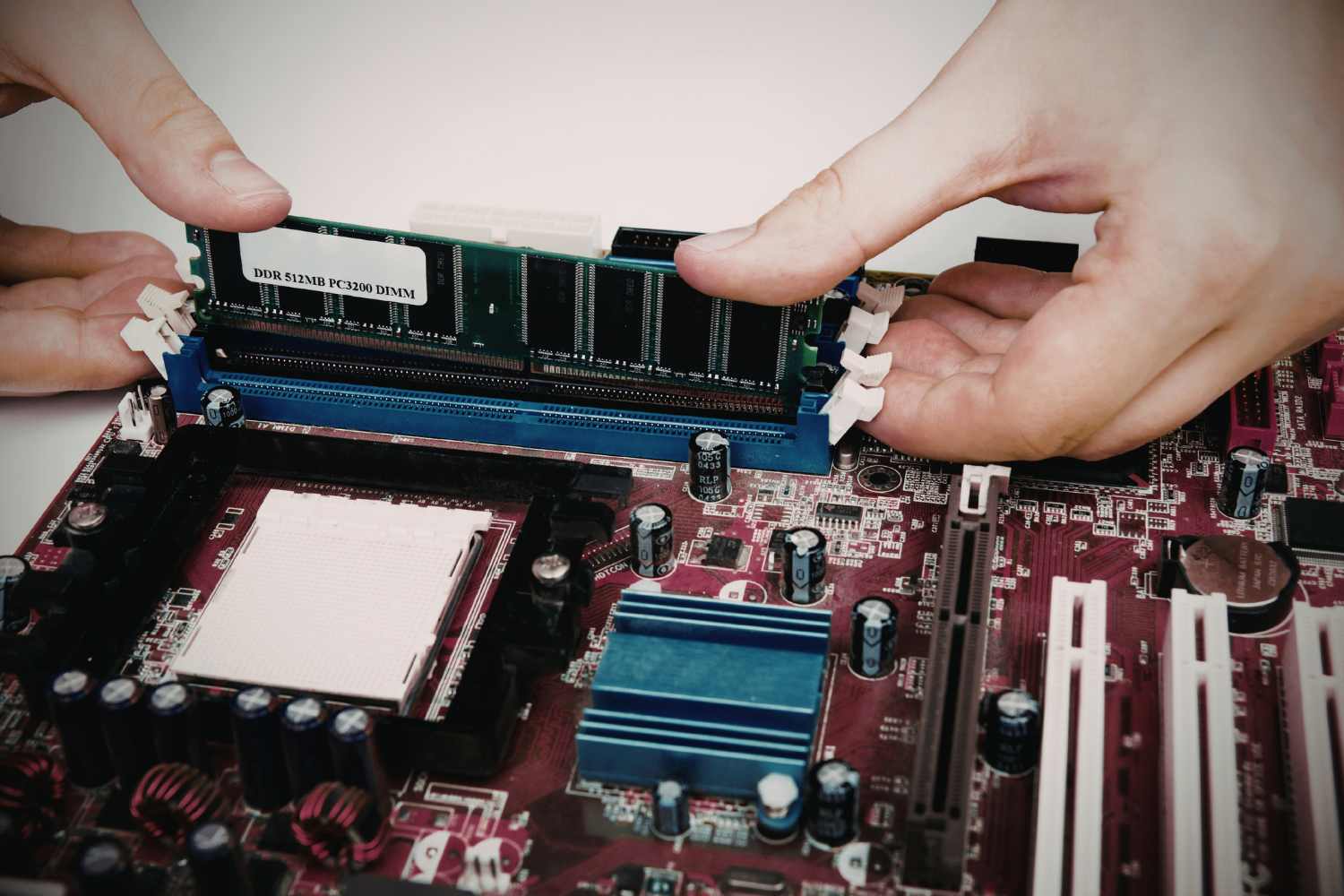
There’s a storm brewing in consumer technology, and the forecast doesn’t leave much room for optimism. According to TrendForce, a research company specializing in the analysis of electronic supply chains, Laptop and smartphone prices could rise dramatically in the coming months — not by 5 or 10%, but up to 40% for some market segments. The cause is a combination of factors, which have started to grow more and more since the beginning of 2026 and which see more expensive RAM, NAND Flash in availability crisis and processors costing more.
Memory is worth its weight in gold — and the consumer pays
To understand what is happening, we need to start from a structural fact. Under normal conditions, DRAM memory and SSDs account for approximately 15% of the manufacturing cost of a notebookan absolutely manageable share, which producers are able to absorb without trauma. From the first quarter 2026that share exceeded 30%it practically doubled. There are two reasons, and they reinforce each other: memory prices have risen sharply, and availability has decreased.
The underlying mechanism is well known: memory chip manufacturers — Samsung, SK Hynix, Micron — they have diverted production capacity towards AI data center hardwarewhere margins are higher and demand is pressing. The consumer market, more fragmented and less profitable, found itself having to deal with scarcer supplies and rising costs.
TrendForce estimates that, just to offset the cost of memory, the retail price of a $900 laptop is expected to increase by more than 30%. A scenario that also applies, with similar dynamics, to smartphones.
Processors: the second front
If the memory crisis were the only problem, the producers could at least hope to compensate somewhere, if there wasn’t a second open front, that of the processors.
Intel has already revised the prices of some entry-level and previous generation CPUs upwards, with increases exceeding 15%. And it’s not over, because further price increases are expected for the second quarter of 2026 also on medium and high-end consumer platforms. According to TrendForce findings, pricing pressure is also extending to AMD chipsso far more stable, where availability problems are starting to emerge on low-end models.
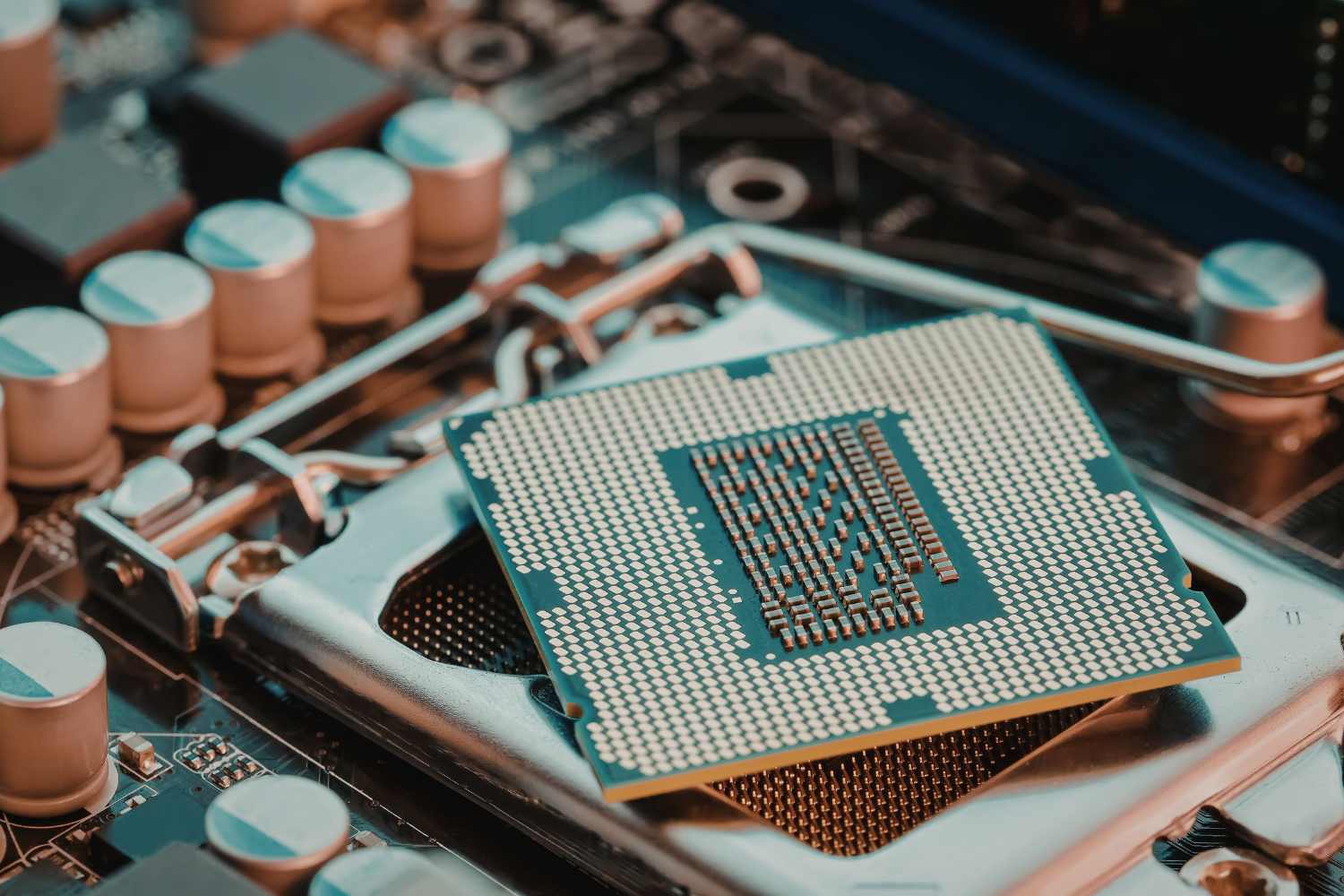
Wanting add memory and processorsthe combined weight on the production cost of a laptop would go from around 45% to almost 58%. The final result, if producers wanted to fully pass on the increase to the supply chain without affecting their margins, would be a 40% increase on the final price.
Smartphones are at greater risk
The laptop market is hit hard, but the smartphone market risks even more serious consequences. TrendForce analyzed the impact on global manufacturers starting from a very popular configuration — 8 GB of RAM and 256 GB of storage — and the numbers are eloquent: Contract prices in Q1 2026 saw an increase of close to 200% year-over-year compared to the same period in 2025. In other words, the memory of a smartphone today costs almost three times as much as it did a year ago.

There share of memory in the production cost of a smartphoneand, historically between 10 and 15%, is increased to 30-40%. A change of this magnitude cannot remain invisible to selling prices. TrendForce predicts a 10% decline in global smartphone production in 2026 compared to the previous year — with a risk of contraction of up to 15% in the worst-case scenario.
The impact is not evenly distributed. Samsung, which produces its own memory chips, is better protected from price instability. Apple, with a higher share of premium models and a less price-sensitive customer base, can absorb price increases better. The more entry-level Chinese brands — Xiaomi, Transsion, vivo, OPPO — find themselves in a more exposed position, given that their target audience has low tolerance for price increases, and the space to unload costs is limited.
No one can afford to move everything
The producers know this. A 40% increase on notebooks — or even just 20-25% on smartphones — it would cause sales to collapse. No brand can afford to fully apply supply chain increases without losing market share. The practical solution, already in place in some cases, is a compromise, that is slightly higher prices, technical specifications revised downwards on the secondary components, long update cycles.
For anyone considering a purchase, the message that comes from TrendForce’s analysis is unique: waiting is not worth it. Current price lists still reflect a situation prior to the full absorption of price increases along the entire value chain, and in the coming months, that window will close.
Source: TrendForce
