
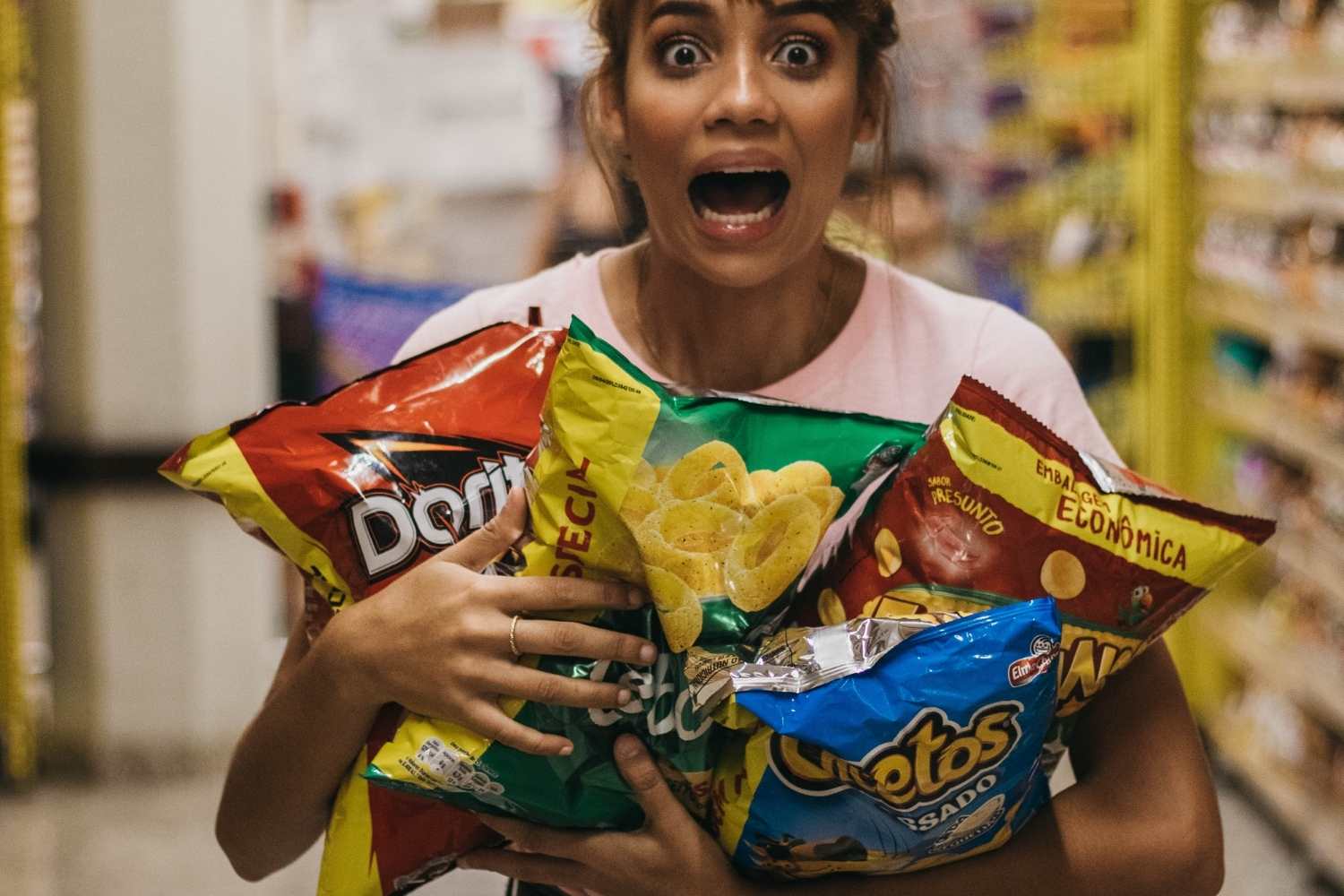
In Texas a bill was presented that is making a lot of discussion. The goal of the proposal is to impose Warning labels On many transformed food products, including very popular snacks such as M & M’s, Skittles and Doritos. These labels should report that These products are not “recommended for human consumption”given that they contain certain ingredients deemed potentially harmful.
But Which ingredients are it about?
The Texan bill, known as Senate Bill 25, focuses on a series of chemical additives, artificial dyes and preservatives widely used in industrial snacks to improve their flavor, color and duration of conservation. Among these, there are several food dyes that have long been at the center of disputes and have been prohibited or strongly regulated in other parts of the world, in particular in the European Union, but also in countries such as Australia, Canada and the United Kingdom.
Among the dyes involved are for example:
In addition to the dyes, the law also involves some preservatives and additives such as:
The Texas proposal therefore wants that, starting from 2027, all food products containing at least one of these ingredients report a clearly visible label with the wording:
ATTENTION: This product contains an ingredient not recommended for human consumption by the competent authorities in Australia, Canada, European Union or United Kingdom.
This measure aims to increase consumer awareness regarding substances which, although still legal in the United States, are considered problems or dangerous by regulatory authorities of other advanced countries.
The initiative has already attracted a lot of attention at national level, not only for the strong message it wants to convey, but also because it concerns very popular and loved snacks such as M&M, skittles and doritos, products that millions of people consume daily often without knowing in detail what they contain.
Reactions
On the one hand, many associations of consumers and groups for public health welcome this initiative favorably, seeing it as an important step towards greater information and protection. On the other, the food industry and some consumers fear that these labels can generate confusion and panic, damaging historical and loved brands without certain scientific reasons.
The law is still being discussed in Texas, but has already turned on a debate that goes beyond the boundaries of the state. The central question remains: how much should we worry about the ingredients in daily snacks? And can such a drastic label really push companies to improve recipes or does it only risk scaring consumers?
Regardless of the outcome of the proposal, this Texana initiative could mark a turning point in the way in the United States is addressed food safety. If the law is approved, it cannot be excluded that other states follow it, contributing to a more severe regulation on the ingredients of the snacks.
