
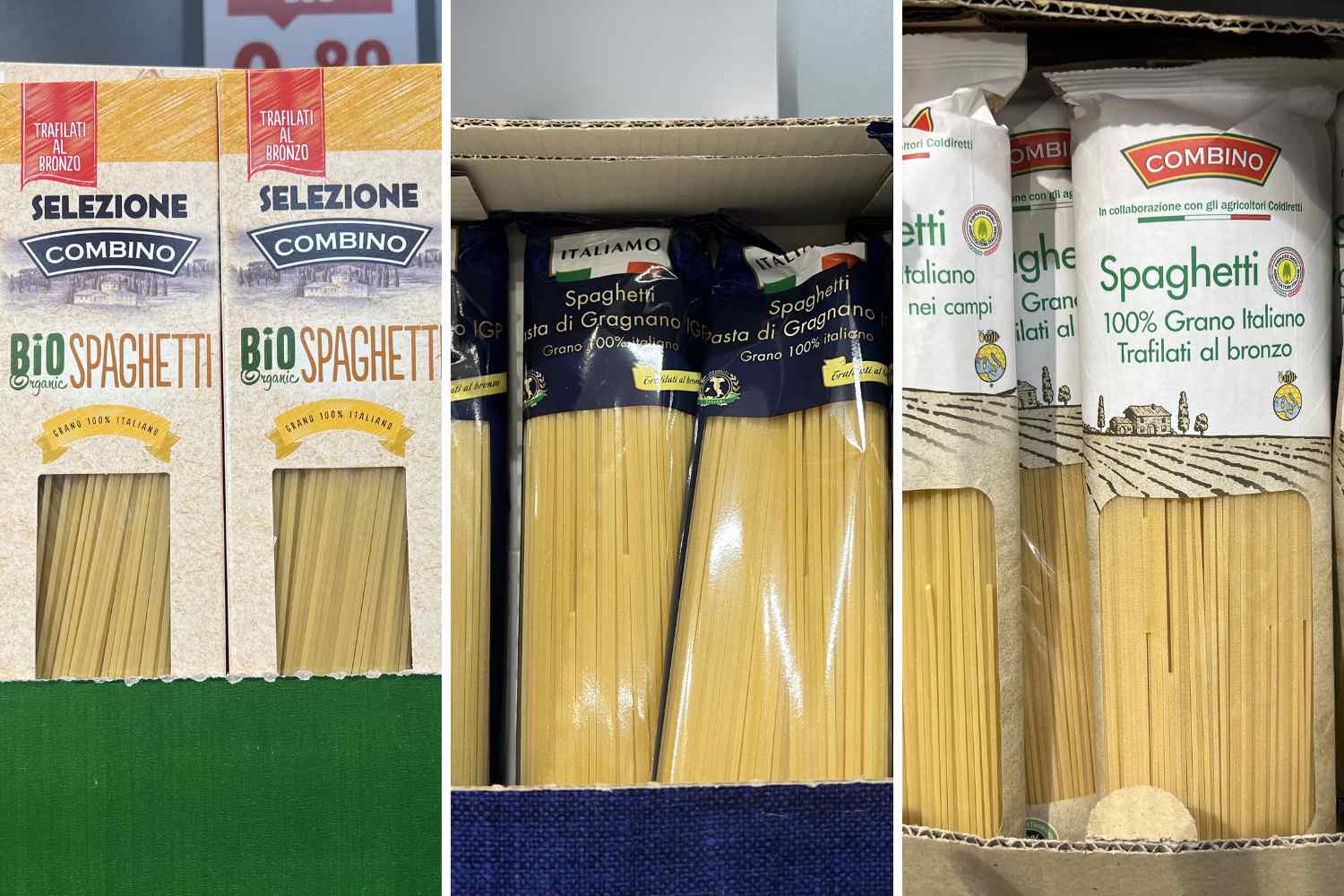
When you buy pasta, you probably don’t pay much attention to the label. But have you ever wondered where the wheat with which it is made comes from? And at the discount store do we necessarily find pasta with EU and non-EU wheat, or are there also references from entirely Italian supply chains? We went to Lidl to find out for you. We picked up five packs of spaghetti (including 2 organic) and read every label. The results were more interesting than expected.
Before going into the details of the individual packages, it is worth remembering that since 2004 the European regulation has obliged dry pasta producers to indicate two distinct pieces of information: the country of cultivation of the wheat and the country of milling. These are two separate data, and do not always coincide.
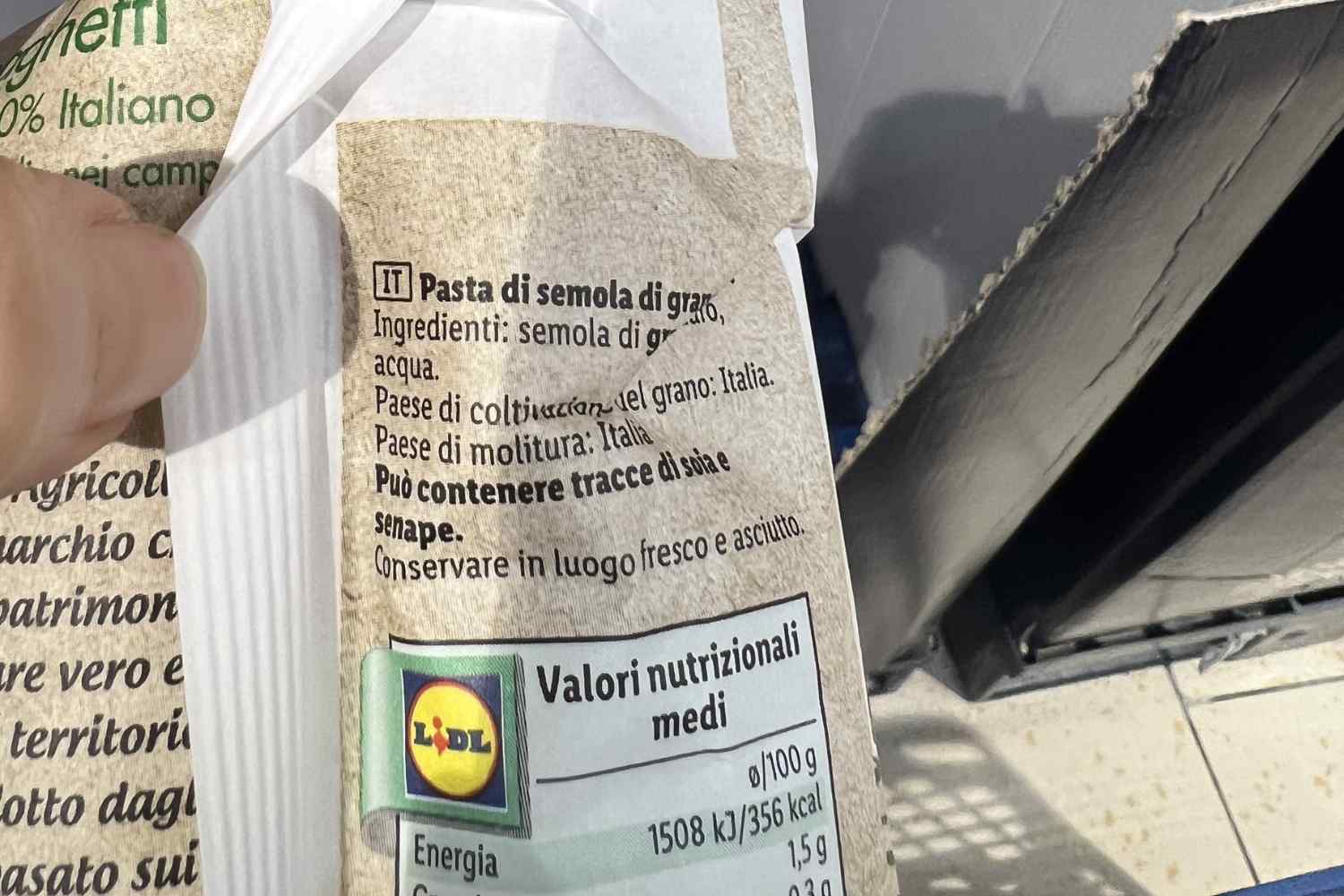
The problem is that these indications often end up buried between the smaller lines on the back of the package. However, on the label you can find three main words:
As regards the country of milling, be careful not to confuse it with the origin of the wheat: finding “milling Italy” on the label does not mean that the wheat is Italian. A grain grown in Canada or Ukraine can easily be milled in Italy, without this making it a product of the national supply chain.
Why look for pasta with Italian wheat? There can be many reasons: supporting local agriculture, reducing the environmental impact linked to transport, or simply preferring a shorter and more traceable supply chain. However, this does not mean that wheat grown abroad is automatically of lower quality, there are excellent durum wheat productions in many countries around the world.
The spaghetti we found at Lidl
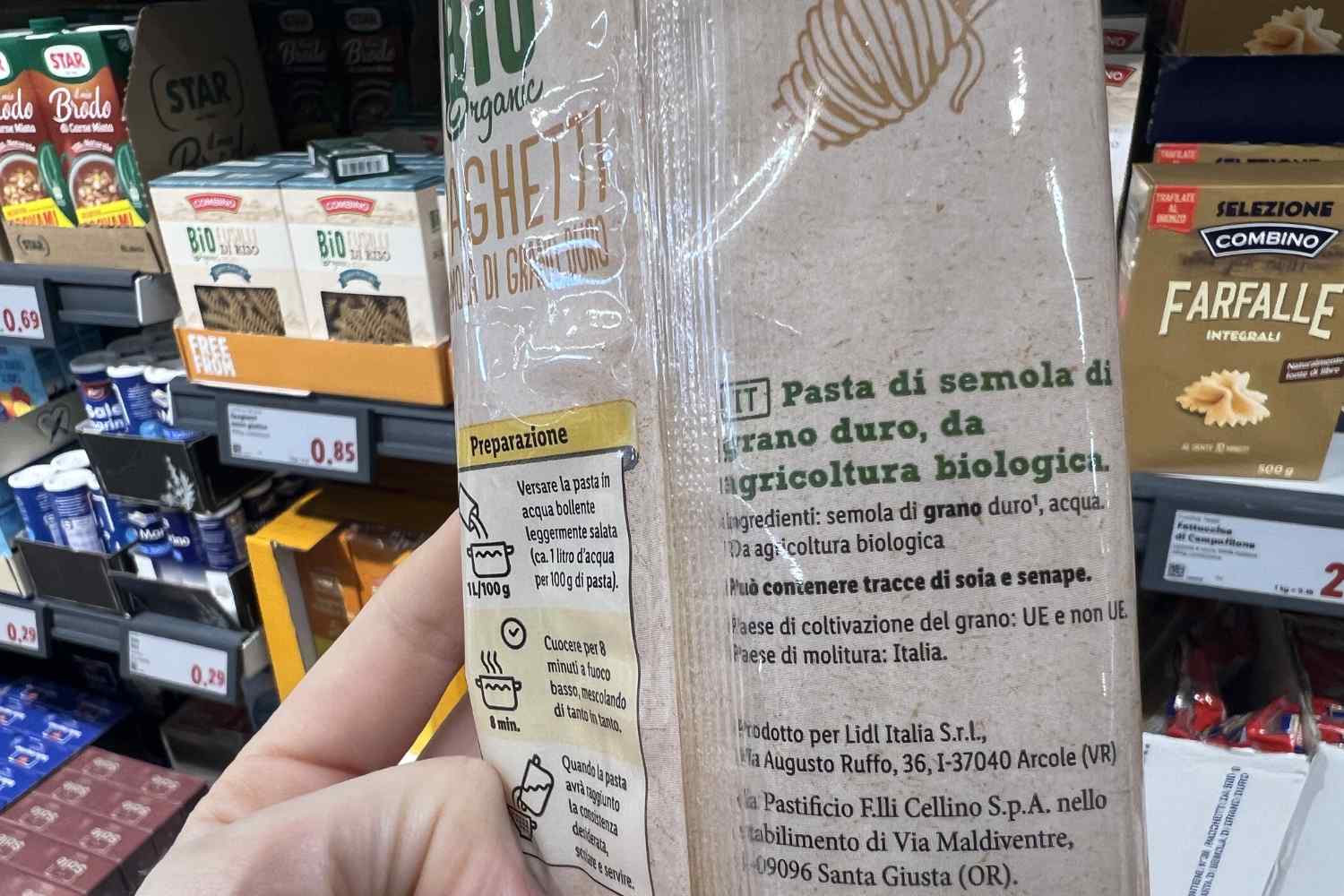
Combino Bio Organic — Organically grown wheat semolina spaghetti
The organic reference of the Combino line shows on the label the words “EU and non-EU cultivation country, Italian milling country”. This is a broad and deliberately generic formula, which the law allows and which leaves the origin of the wheat open to a vast range of producing countries. However, the grinding takes place in Italy.
Spaghetti Combino with durum wheat semolina n.5
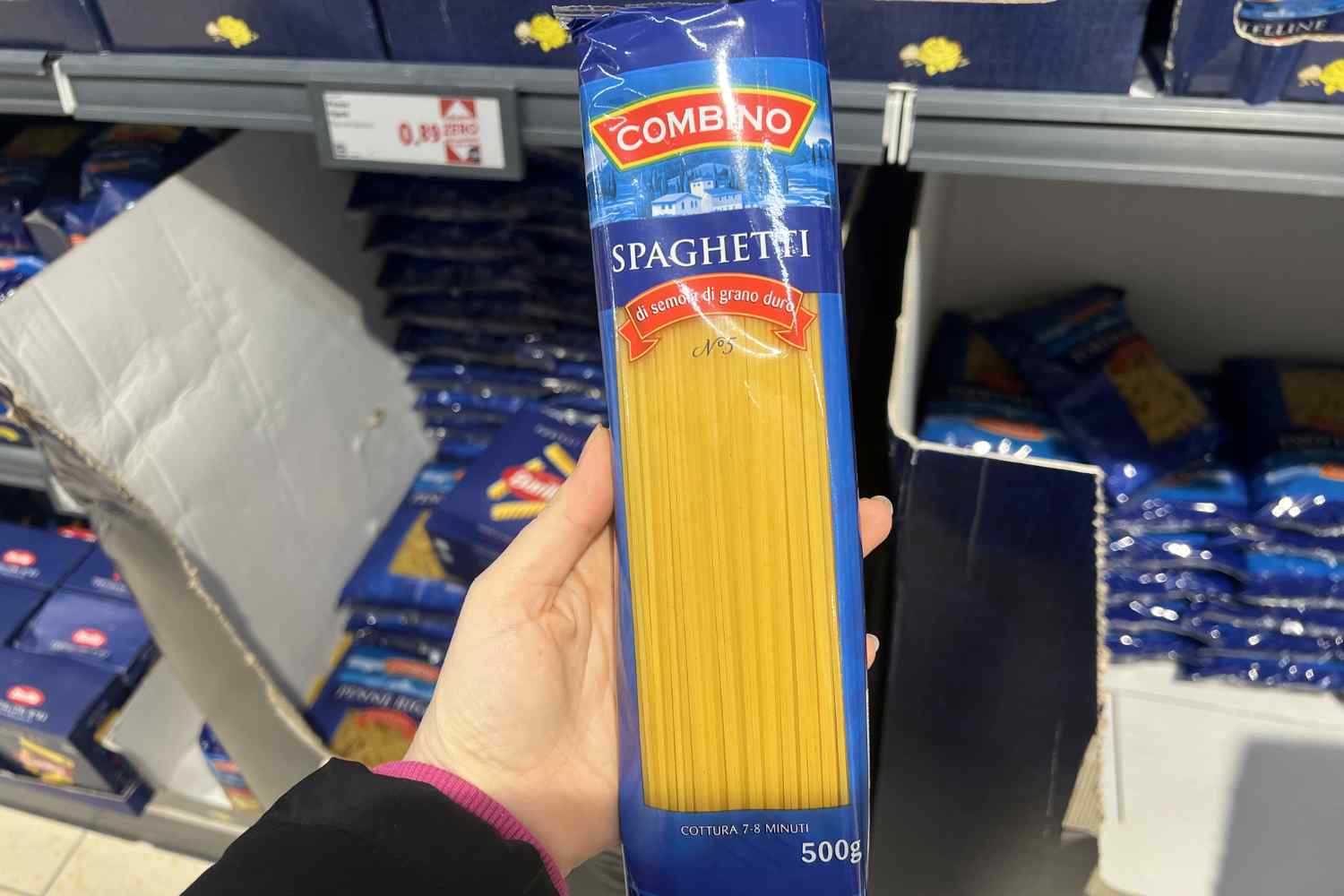
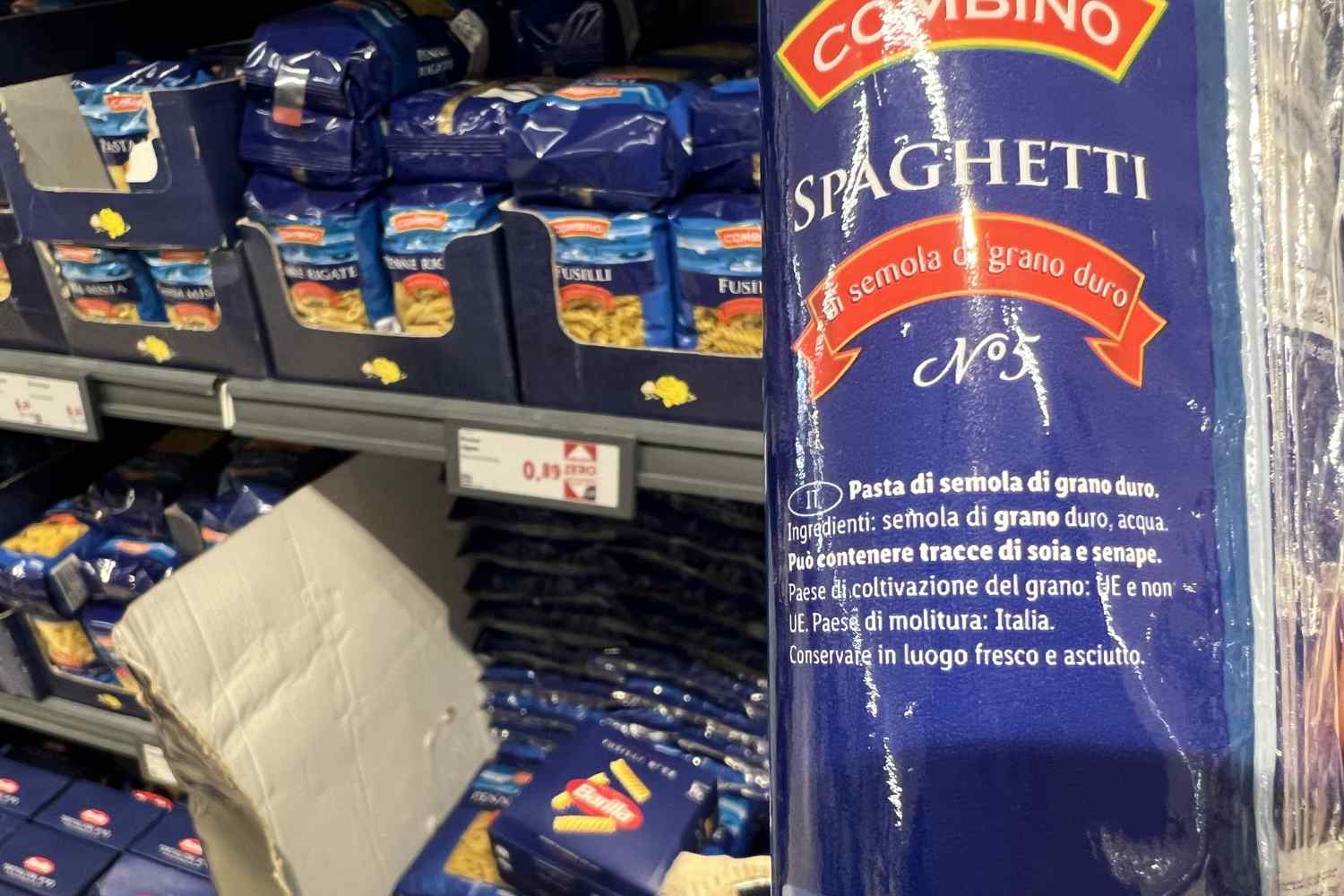
The classic of the Combino line also bears the words “EU and non-EU cultivation country, milling country Italy“. Same generic formula as the organic reference, completely normal for a first-price pasta in large-scale retail trade.
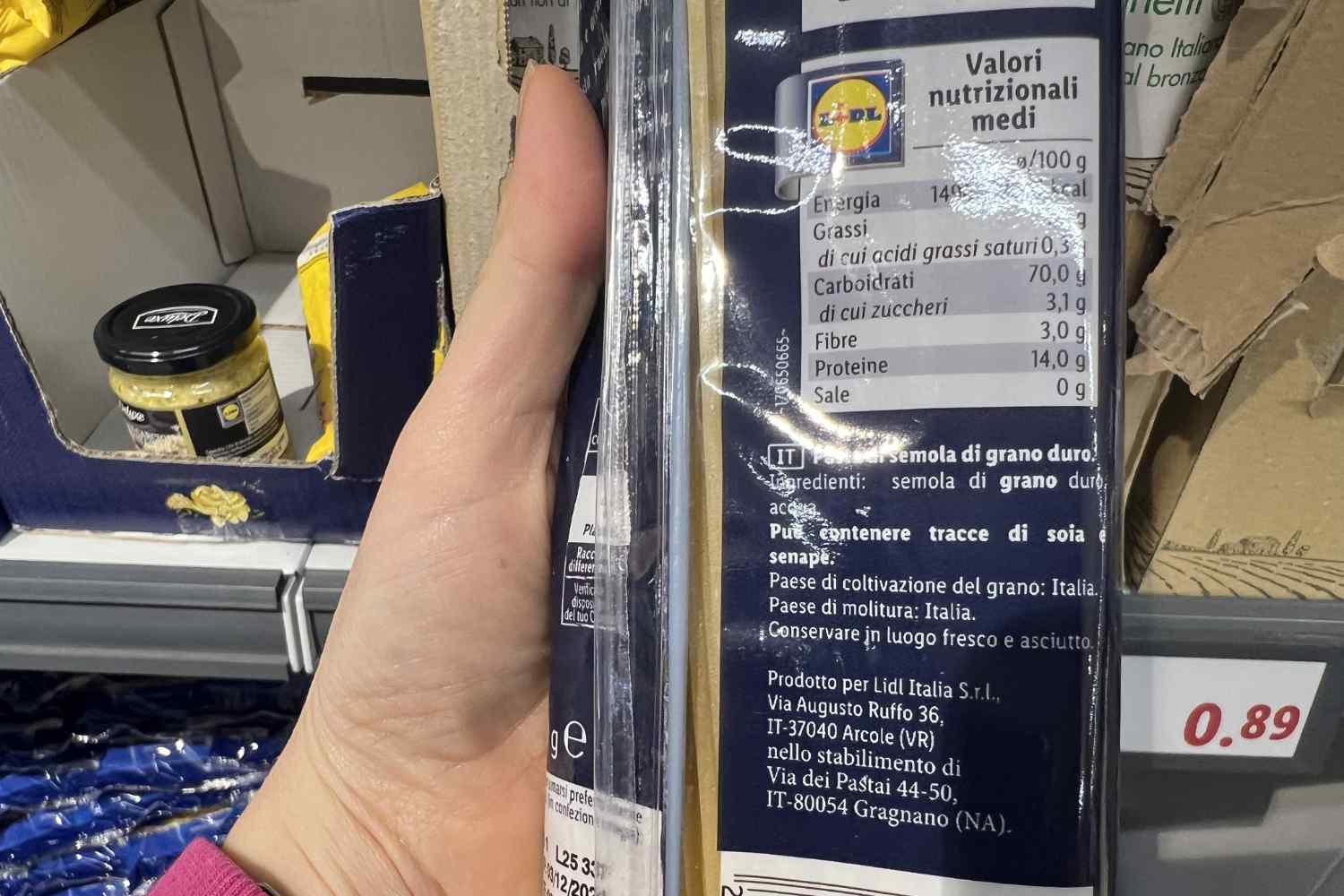
Spaghetti Italiamo Pasta di Gragnano PGI
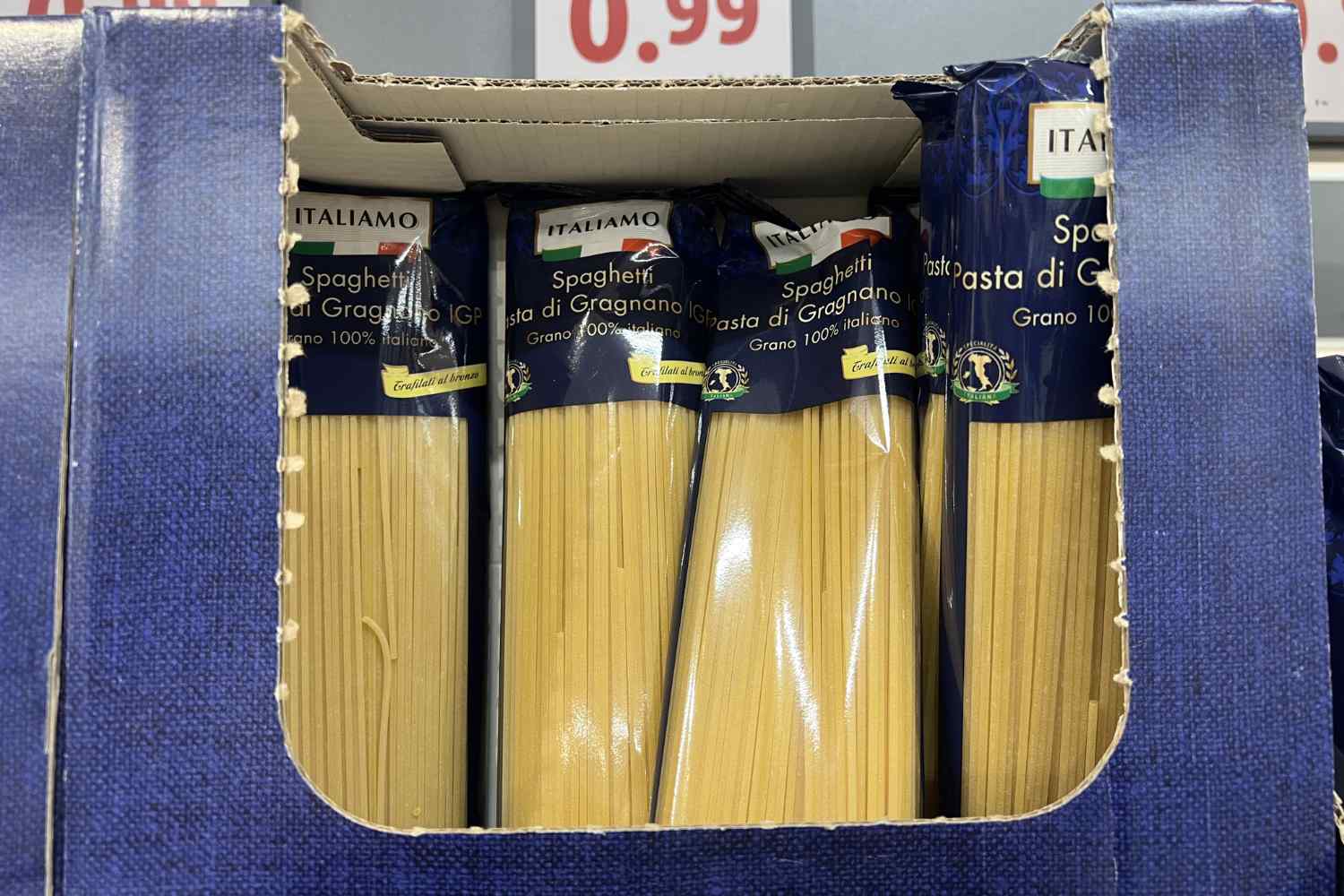
This reference lists the country of cultivation as Italy and the country of milling as Italy on the label. It is worth pausing, because the Gragnano PGI brand is one of the most famous in the Italian pasta making tradition. Yet the PGI specification protects the production process in the Campania area – the processing, the slow drying, the format – and does not restrict the origin of the wheat. In this case, however, the supply chain is entirely national, a detail that many do not know and which makes the difference for those who choose consciously.
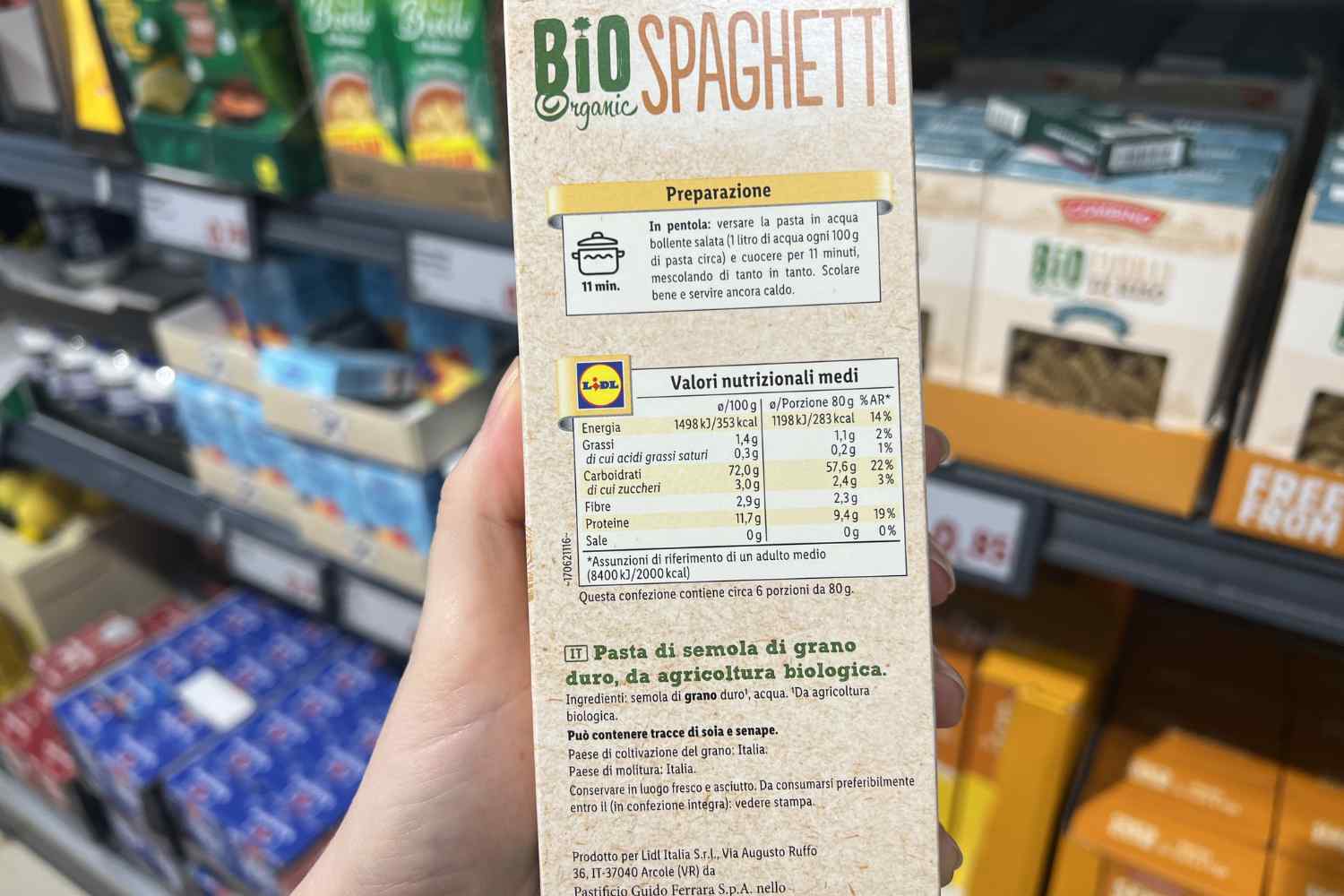
Combino Selection Organic Bronze Drawn Products — Organic Spaghetti
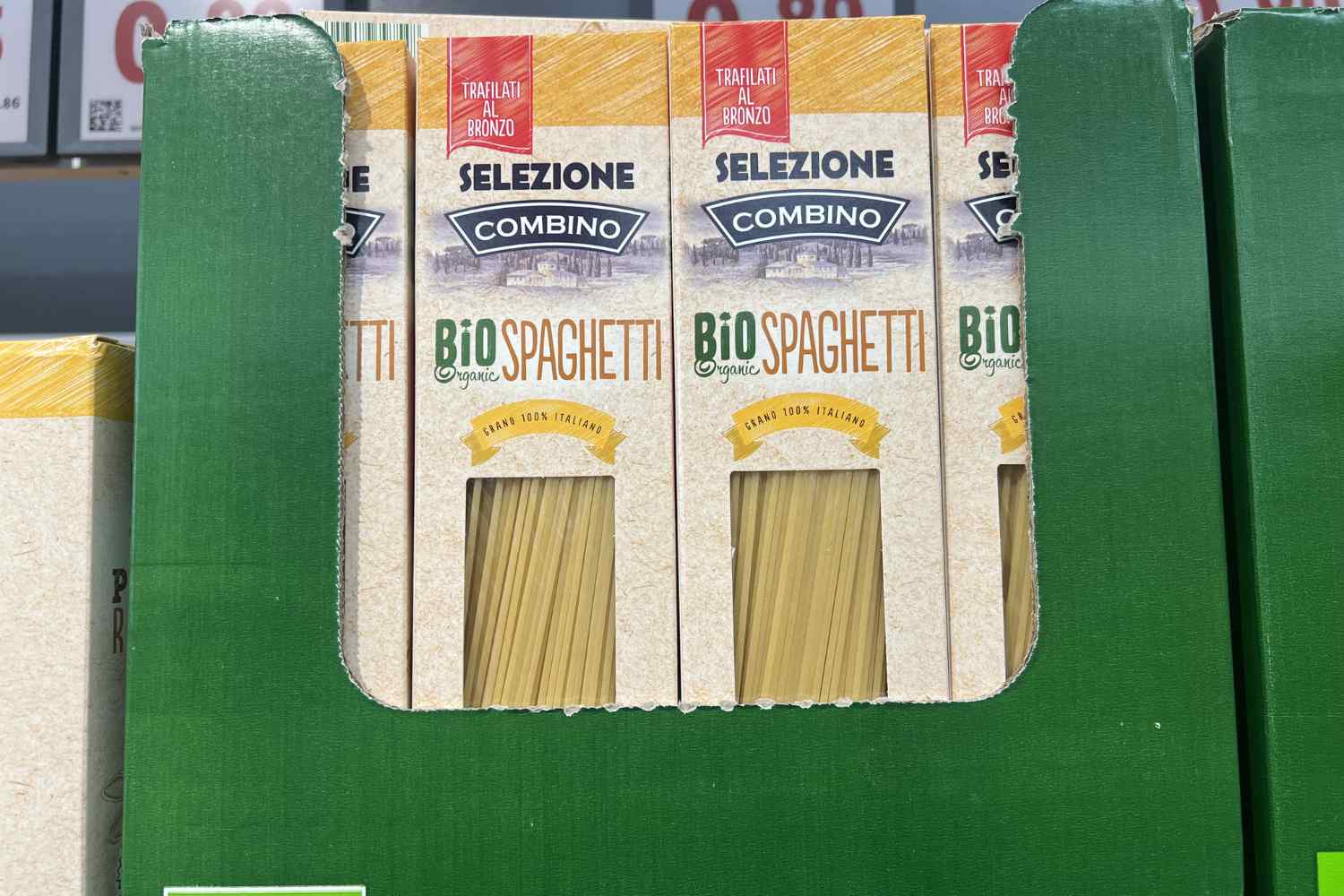
In this case we read the words “Italy wheat cultivation country, Italy milling country”. A completely Italian supply chain, from sowing to pasta making. The bronze drawing also guarantees a rougher surface which helps the sauce to adhere better.
Spaghetti Combino in collaboration with the farmers of Coldiretti
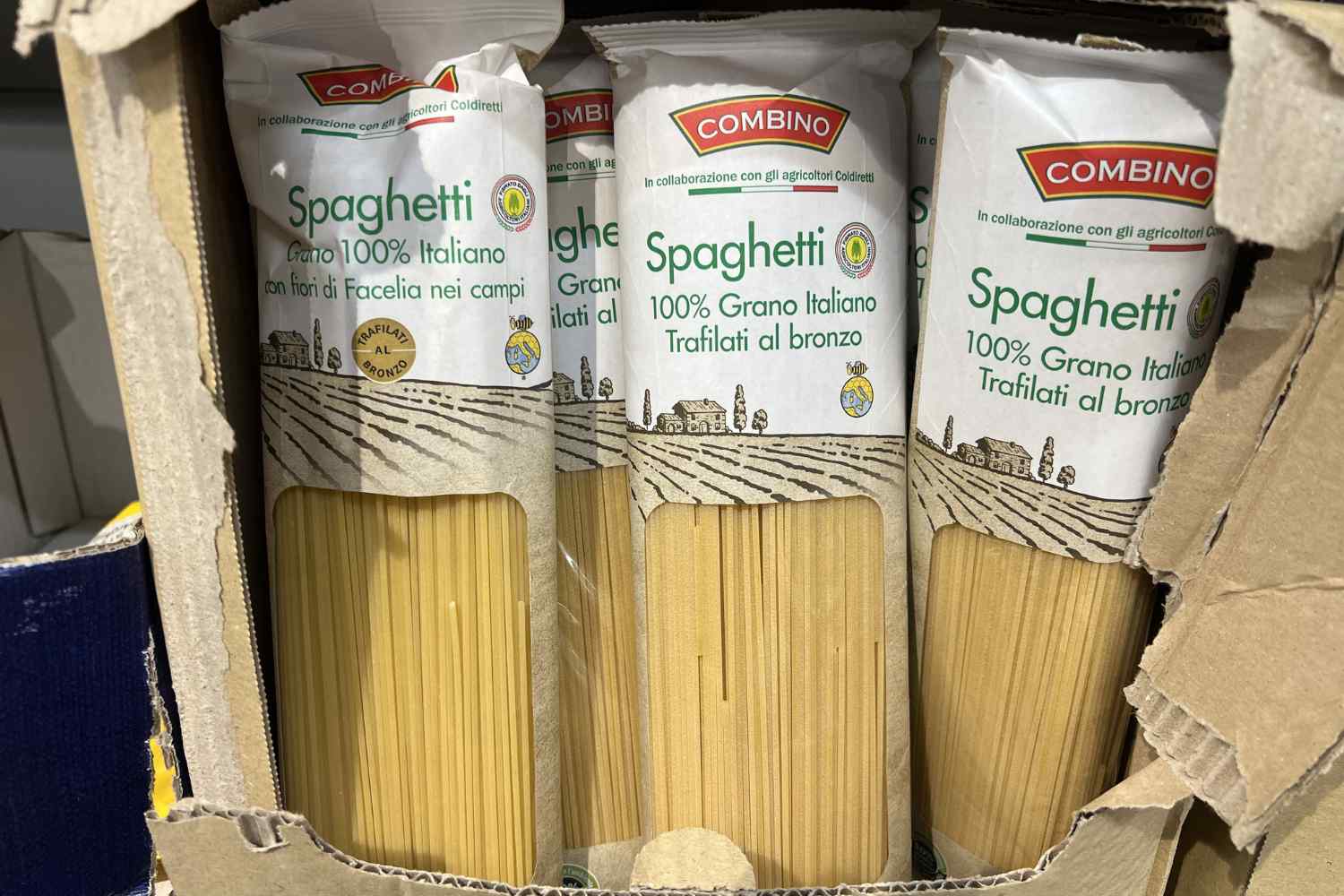
Made in collaboration with Coldiretti, it makes clear right from the packaging the choice of an entirely Italian supply chain and states on the label: “Italy wheat cultivation country, Italy milling country”. Also bronze-drawn, it is Lidl’s answer to those who do not want to give up the Italian nature of the raw material even when shopping at the discount store.
The fact that surprised us
When we purchase an organic product in our country, we often tend to imagine an all-Italian supply chain: local fields, local wheat, zero-mile processing. But the organic label only certifies the cultivation methods – no synthetic pesticides, no GMOs, respect for crop rotation – and says nothing about the geographical origin of the grain. They are two distinct things, and it is important to keep this in mind every time you choose organic pasta.
This is demonstrated precisely by the references we found at Lidl: of the two packs of organic spaghetti, one shows 100% Italian wheat, the other the generic wording “EU and non-EU”. Same organic label but completely different origin of the grain. What can we learn from this? That reading the label, even when choosing organic, always makes the difference.
If you want to buy spaghetti with Italian wheat, it really only takes thirty seconds to read on the back of the package. Look for the item “wheat growing country” and check if it says “Italy” or something else. A small habit that, over time, changes the way you shop.
