
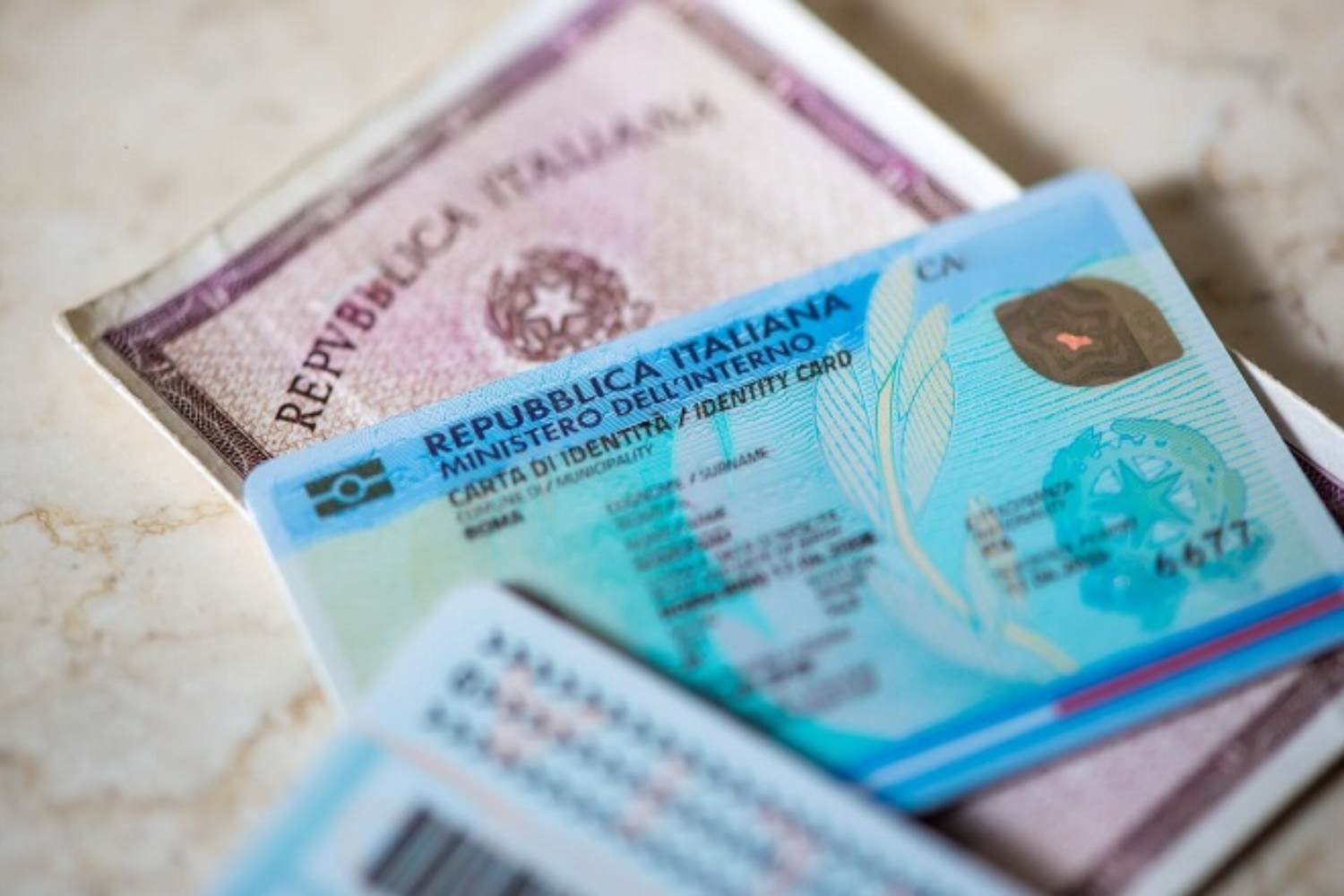
A concrete turning point in the lives of millions of citizens. With the publication in the Official Journal of the decree connected to the PNRR, the “lifetime” Electronic Identity Card for those over 70 becomes official. A symbolic definition, because the fixed duration is 50 years, but sufficient to eliminate, for the majority of interested parties, the obligation of periodic renewal.
The rule will come into force for cards issued from 30 July 2026. From that date, anyone who has already turned 70 at the time of the request will be able to obtain a CIE with extended validity compared to the current ten years. A clear change in the relationship between elderly people and public administration, designed to lighten procedures and reduce bureaucratic steps.
How the new identity card works
The news is simple but incisive: no more ten-year deadline for those who meet the requirements. The fifty-year validity does not change the technical characteristics of the document, which remains fully usable for expatriation in countries where it is permitted and for access to public and private services that require a valid document.
The digital dimension of the CIE does not change either. The owner will however be able to request, after ten years, a voluntary renewal not for administrative reasons but to update the digital authentication certificate, necessary to use some online services of the public administration. A technical choice that allows you to maintain high IT security standards.
Who can benefit from it (and who is excluded)
As mentioned, the measure concerns exclusively CIEs issued starting from 30 July 2026 to citizens who have already turned 70 at the time of the application. Cards issued before that date will continue to have the ordinary duration of ten years.
This means that those who already have a CIE will have to wait for the natural expiry to possibly request the new document with extended validity. No automatic extension, therefore, but a system that applies only to new issues, in line with the European rules on identification documents.
Fewer branches, more accessibility
The reform represents a decisive step towards long-awaited bureaucratic simplification. Fewer appointments in the municipality, fewer queues, fewer deadlines to remember. For many over 70s it will translate into easier management of their documents, without giving up full digital operation. In a rapidly aging country, the measure aims to make services more accessible and inclusive, reducing unnecessary obligations.
You might also be interested in:
