
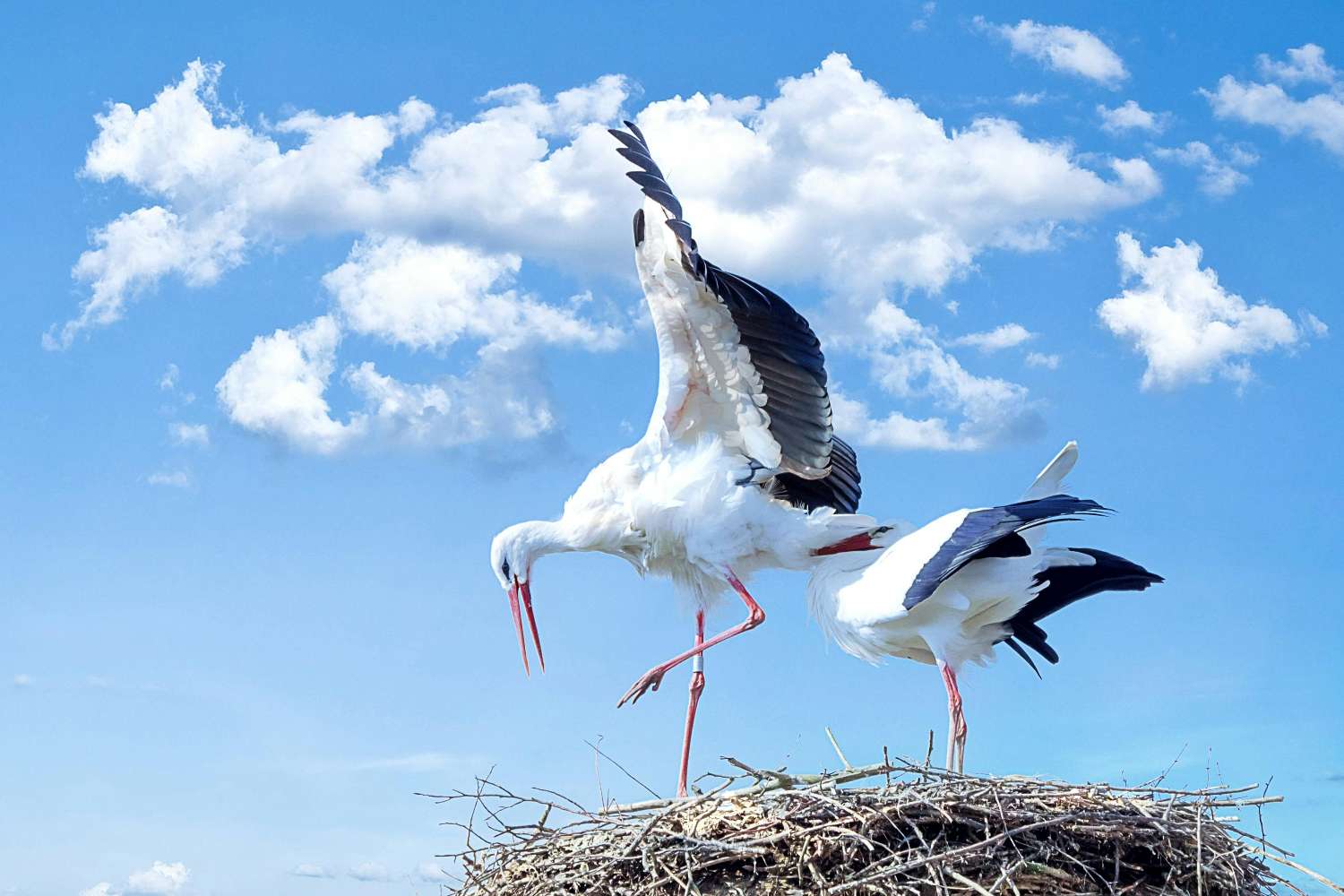
In Ugandain the Ayoreri region on the border with Kenya, hunger led to a dramatic reality: thousands of migratory storks they are killed every year to become the only source of protein for the local population. Difficult climatic conditions have the crops destroyeddepriving the inhabitants of the main economic resource. Prolonged drought and sudden rains They made agriculture unsustainable, pushing people towards desperate practices.
Many in the village had to abandon agricultural activity, choosing to hunt birds to survive. The technique adopted is cruel but effective: a poisoned mouseleft in the fields as bait. The storks, attracted by the rodent, they ingest the poison and, once weakened, they come captured and killed.
This practice, in addition to being extremely dangerous for theecosystemis also illegalsince it involves species protected. However, for the inhabitants there seems to be an alternative: a stork can be sold for about 2,000 shit Ugandanless than a dollar, a fundamental sum for those who fight daily against hunger.
The reforestation project
To report this situation is Joel Cheroplocal farmer and environmentalist. CHERP estimates that only in 2025 were about about 3,000 storks. Despite condemning hunting, it includes human drama behind these actions. The real culprit is the climate changelargely caused by carbon emissions from industrialized countries such as America, Russia And China.
In an attempt to offer a sustainable alternative, Cherop has started a reforestation projectplanting thousands of fruit trees in the hope of regenerating the soil and creating new sources of income. He is also trying to give work to young premisesalbeit with limited resources.
However, the situation in Ayoreri remains critical. The inhabitants do not kill for cruelty, but for survivalfinding himself every day to choose between hunger and the protection of nature. In a context in which the crazy climate and poverty intertwine, thousands of defenseless storks are every year.
