
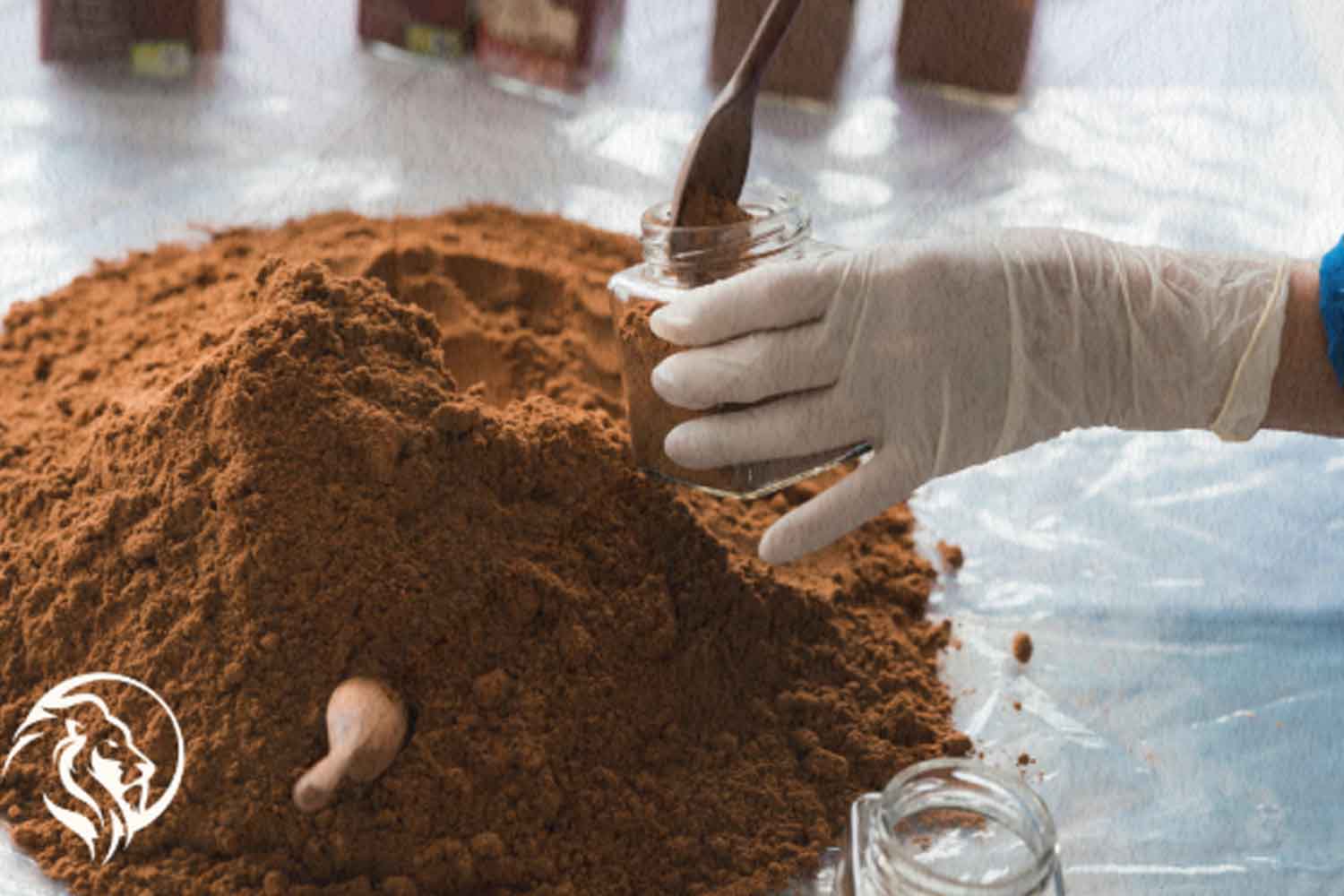
A poor fruit, often relegated to childhood memories or traditional peasant recipes, today enters the world of nutraceuticals. Carobs, cultivated for centuries in the Mediterranean, are the basis of carob supplements obtained with a natural process developed in Sicily.
In Campobello di Mazara, in the Trapani area, Bono & Ditta Spa has developed a system that allows d-pinitol to be extracted directly from the pulp and, from this, high purity natural d-chiro-inositol. It is a substance used in food supplements, particularly in cases of polycystic ovary syndrome and insulin resistance.
In the world there are three large companies that produce this active ingredient for the nutraceutical sector. The other two, based in India and Korea, obtain it through chemical synthesis processes based on the fermentation of cereals. In this case, however, the extraction takes place directly from the carob tree. This is the substantial difference.
The experimentation began about ten years ago in the company laboratories, with the involvement of a team of chemists. The patent for natural extraction arrived in 2018, after a long process of tests and technical comparisons.
Local supply chain and important numbers: 1.5 million quintals processed every year
This experience doesn’t come out of nowhere. The company has been operating in the production of grape sugar since 1959. A sector which, in the province of Trapani alone, until about twenty years ago counted almost thirty companies. Today there are two left to produce fructose from grapes and fruit.
Every year 1.5 million quintals of must are processed, as well as fruit and dates. The finished product reaches 500 thousand quintals, destined for the wine sector – to increase the alcohol content of wines – the vinegar sector and the food industry, from pastries to juices.
The concentrated must leaves from Campobello di Mazara to 36 countries around the world, with approximately 2,500 containers per year. The turnover stands at around 70 million euros, with a market distribution of 65% in Italy and 35% between Europe and non-European countries.
An interesting element concerns the raw material: the carobs are sourced directly in Sicily, with a positive impact on transport costs and logistics.
Beyond the numbers, the question that remains open is another: how much impact can a local supply chain, linked to a traditional fruit, have in a sector dominated by standardized industrial processes? The carob supplements produced in Sicily bring this very theme to the center of the debate, between innovation, sustainability and valorisation of local resources.
View this post on Instagram
You might also be interested in:
