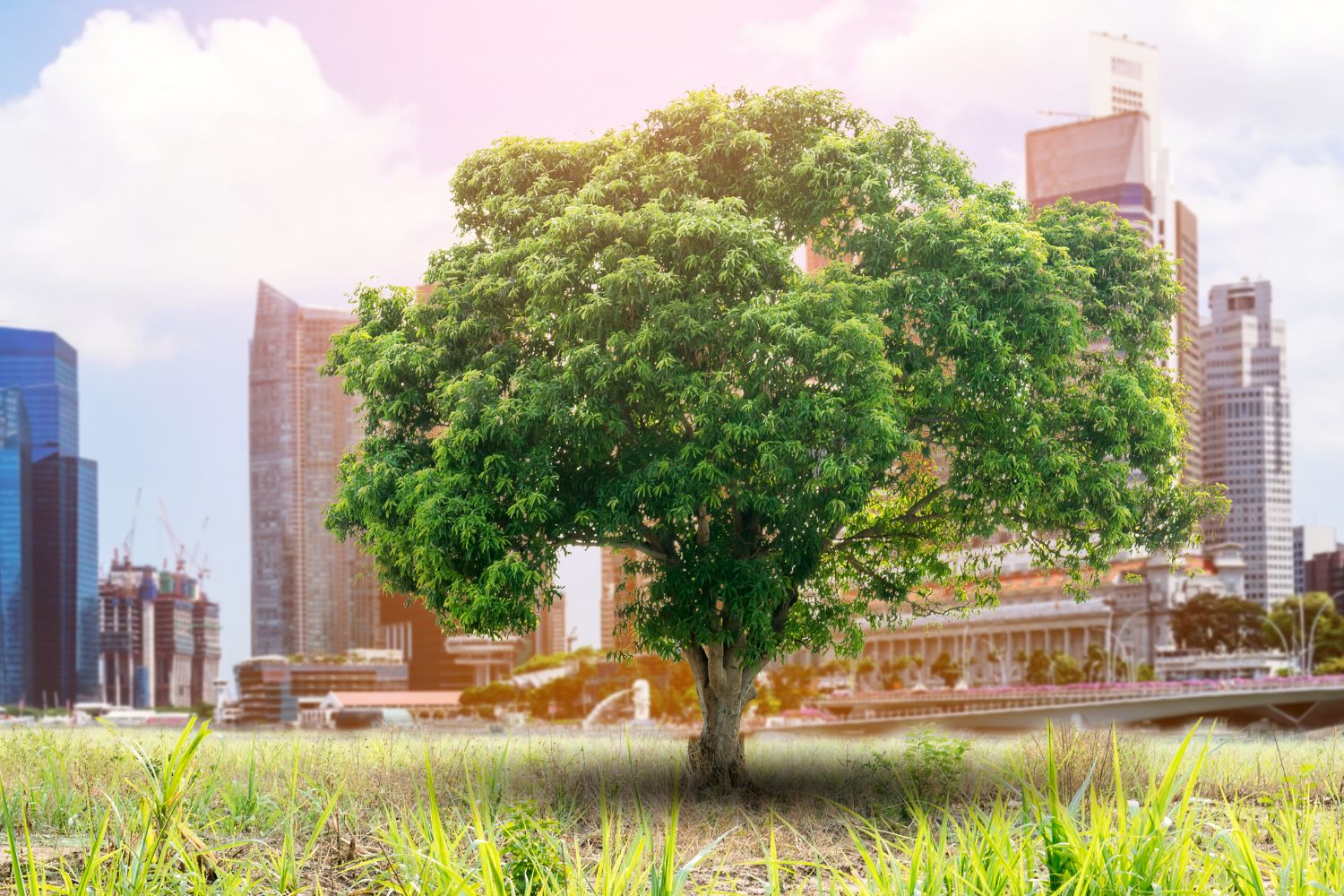
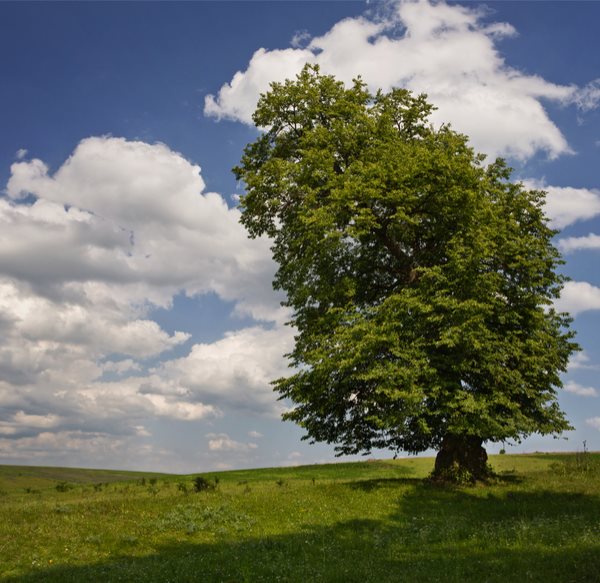
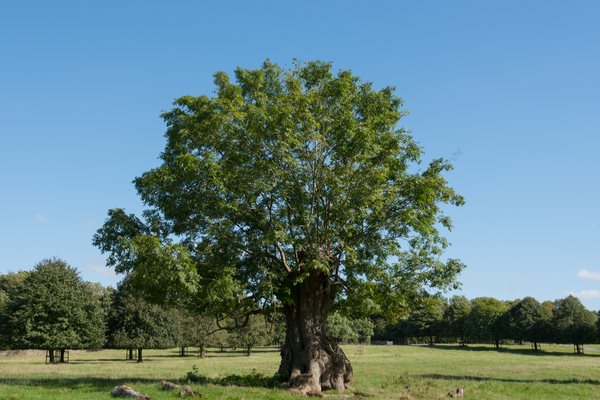
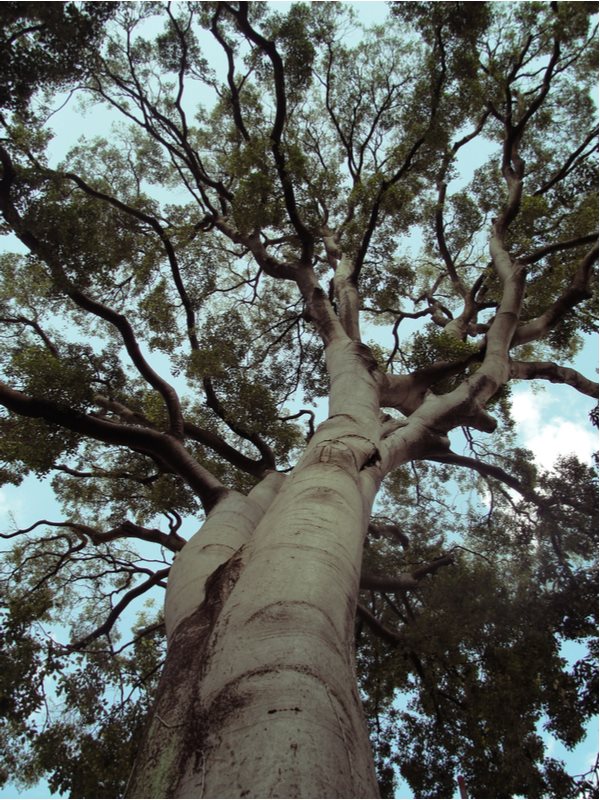
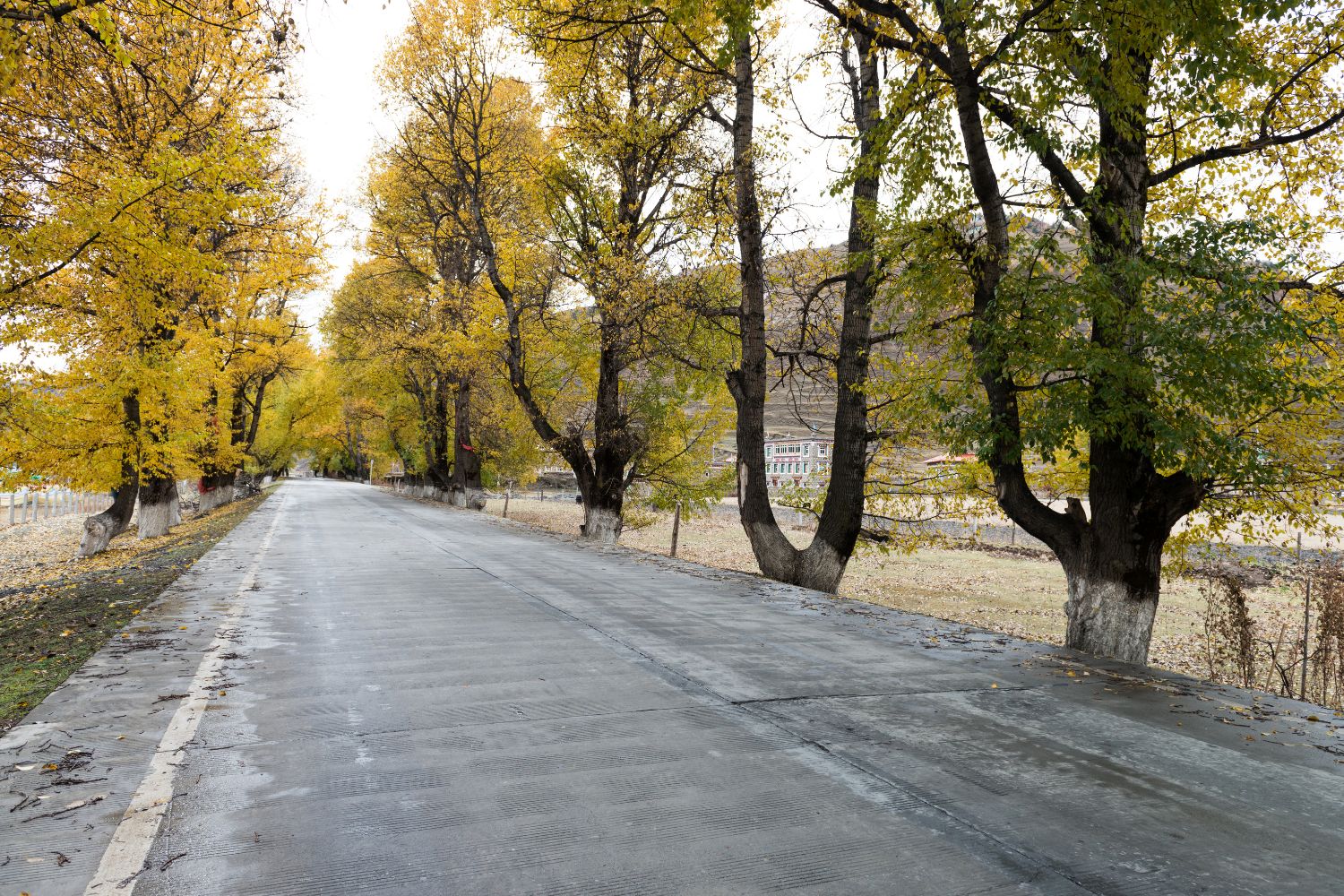
They are capable of cleaning the air of our cities, imbued with fine dust and carbon dioxide. They managed to absorb almost 4000 kilos of CO2 with their leaves in 20 years. They are the so -called Mergia Trees, plants capable not only of capturing our poisons but also of lowering the temperature of the environment in which they are found during the hottest months.
Trees represent anNatural weapon against air pollutionhelping to improve air quality in cities and mitigate the effects of climate change. Not only do they capture carbon dioxide (CO2) and fine dust (PM10 and PM2.5), but also reduce urban temperatures, contrasting the heat islands during the summer months.
A study by Coldiretti, updated with recent research conducted in 2024 and 2025 by entities such as the University of Florence and the National Research Council (CNR), highlighted the extraordinary skills of some arboreal species in counteracting pollution. These trees, called “Mangia-Smog”, are able to absorb thousands of kilos of CO2 over 20 years and to filter harmful particles, improving public health and the urban environment. According to theEuropean Environment Agency (AEA)in 2023 the fine dust caused about 70,000 premature deaths in Italy, a figure that underlines the urgency to increase the presence of trees in the cities.
In addition, a 2024 study published in Nature Urban Sustainability has shown that only one mature tree can reduce local concentrations of PM2.5 by 15-20%, offering immediate benefits for respiratory health. But What are the most effective trees in fighting pollution?
The 10 best species of Mangia-SMog trees
Below, an updated list of the 10 best Mangia-Smog trees, with details on their characteristics and capacity.
|
Position
|
Species
|
Scientific name
|
CO2 absorption (kg in 20 years)
|
|
1
|
Acero curly
|
Acer Platanoides
|
3,800
|
|
2
|
Verrucosa birch
|
Betula pendula
|
3,100
|
|
3
|
Cerro
|
Quercus Cerris
|
3,100
|
|
4
|
Ginkgo Biloba
|
Ginkgo Biloba
|
2,800
|
|
5
|
Elm
|
Ulmus minor
|
2,600
|
|
6
|
Wildfire
|
Cordata Tilia
|
2,500
|
|
7
|
Major ash
|
Fraxinus Excelsior
|
2,400
|
|
8
|
Baggolaro
|
Celtis Australis
|
2,300
|
|
9
|
Black poplar
|
Populus nigra
|
2,200
|
|
10
|
Plane
|
Platanus X Acenerifolia
|
2,100
|
CO2 absorption values are estimated for a mature tree over 20 years, as reported in Coldiretti’s study and integrated with recent data.
The absorption capacity may vary according to factors such as soil conditions, climate and maintenance of the tree.
Acero Riccio (Acer Platanoides)
In the first place we find the curly maple, a green creature that reaches a height of 20 meters, characterized by a slender trunk and law and large leaves, between 10 and 15 cm. Why curly? The tip of the leaves is often curved.
Each curly maple tree is able to absorb up to 3800 kilos of CO2 in 20 years And it has an excellent overall mitigation of pollution and reduction of heat islands in urban environments. This tree, which can reach 20-25 meters high, has a slender trunk and large leaves (10-15 cm) with slightly curved tips, from which the name “hedgehog” derives. It is particularly effective in reducing urban heat islands thanks to its dense hair, which offers shadow and lowers the temperature up to 3-5 ° C in summer, according to a 2024 CNR study. Its resistance to environmental stress makes it ideal for city parks and avenues.
Birch Verrucosa (Betula Pendula)
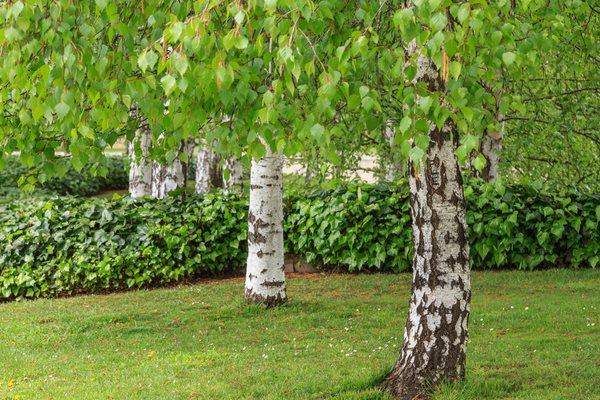
To contend for the primacy with 3100 kilos of CO2 aspirated from ARIA, then there are on equal merit the warty birch, capable of growing on the most difficult soils and considered sacred tree with the Celts and Germanic tribes, and the Cerrowhose height can reach 35 meters. The verrucosa birch, known for its white bark and the ability to grow in difficult soils, is a precious ally against pollution. Considered sacred with the Celts, this tree adapts well to urban environments and contributes to filtering PM10 and PM2.5. Recent studies of the University of Florence have shown that the birch can trap up to 25% more of fine dust compared to other species thanks to the hairy structure of its leaves.
Cerro (Quercus Cerris)
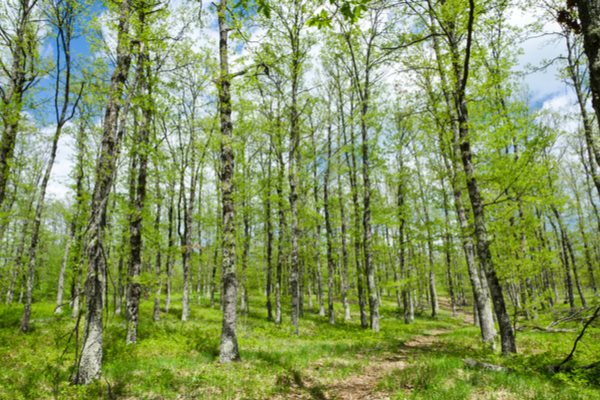
The Cerro, a majestic oak that can reach 35 meters high, is another giant in the fight against pollution. His wide and dense hair offers a natural barrier against harmful gases and dust. According to a 2025 study of the Polytechnic of Milan, Cerro is particularly effective in capturing tropospheric ozone, a pollutant harmful to human health, reducing its concentration up to 10% in densely populated urban areas.
Ginkgo (Ginkgo Biloba)
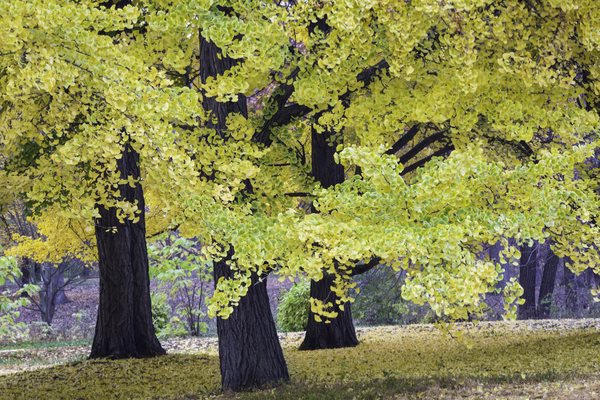
In fourth place, Ginkgo Biloba, an ancient tree whose origins date back to 250 million years ago. In addition to absorbing 2800 kilos of CO2 in 20 years, it guarantees a high barrier capacity against gas, dust and heat and has a strong adaptability to all the land including urban ones. Ginkgo Biloba is a real “living fossil”. His resistance to pollutants and the ability to adapt to difficult urban soils make it ideal for cities. A 2024 study of the University of Kyoto confirmed that its fan -shaped leaves effectively trap fine dust and reduce urban heat. In addition, Ginkgo is known for its longevity and low maintenance.
Olmo (Ulmus Minor)
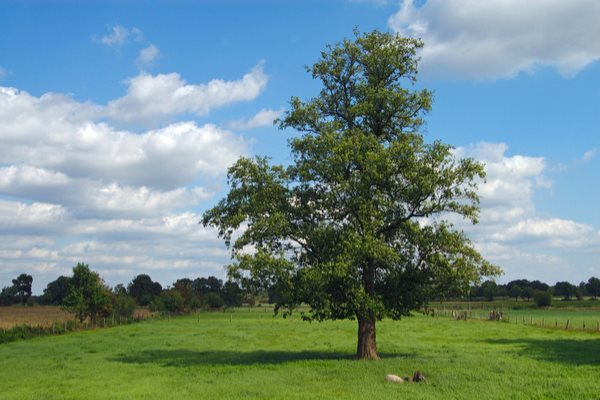
The olm, with its notched leaves and expanded hair, is another highly effective tree in fighting pollution. It is particularly resistant to urban environments and helps to reduce the concentrations of PM10. According to a 2024 report of the Istituto Superiore for environmental protection and research (ISPRA), the olm can capture up to 12 kg of fine dust per year in high traffic urban contexts.
Wild Tiglio (Tilia Cordata)
The wild linden is appreciated not only for its ability to absorb CO2 estimated at 2,500 kg in 20 years, but also for its perfume and its refreshing shadow. Its heart -shaped leaves effectively trap fine dust, while the dense crown reduces summer temperatures. A 2025 study published on Environmental Science & Technology It highlighted that linden can reduce nitrogen dioxide concentrations (no2) in urban areas by 10%.
Major Frassino (Fraxinus Excelsior)
The major ash is a robust and long -lived tree, capable of thriving in different climates. Its compound leaves capture thin powders and harmful gases – 2,400 kg in 20 years – while the wide hair contributes to mitigating the heat islands. According to an analysis of the 2024 CNR, the ash is particularly effective in reducing the pollution from vehicular traffic.
Bagolaro (Celis Australis)
Also known as “Spaccasassi” for its ability to grow in rocky soils, the Baggolaro is a resistant and versatile tree. Its rough leaves trap fine dust- up to 2,200 kg in 20 years- while its dense hair offers shadow and protection from the AFA. Recent studies conducted in Rome in 2025 have shown that Baggolaro is particularly effective in busy avenues.
Black poplar (populus nigra)
Black poplar is a quick growth tree, ideal for urban areas that require rapid green coverage. His ability to absorb CO2 and filter PM10 up to 2,200 kg in 20 years, makes it a popular choice for urban reforestation projects. According to a 2024 study of the University of Bologna, black poplar can reduce fine dust concentrations up to 15% near high traffic roads.
Platano (Platanus X Acenerifolia)
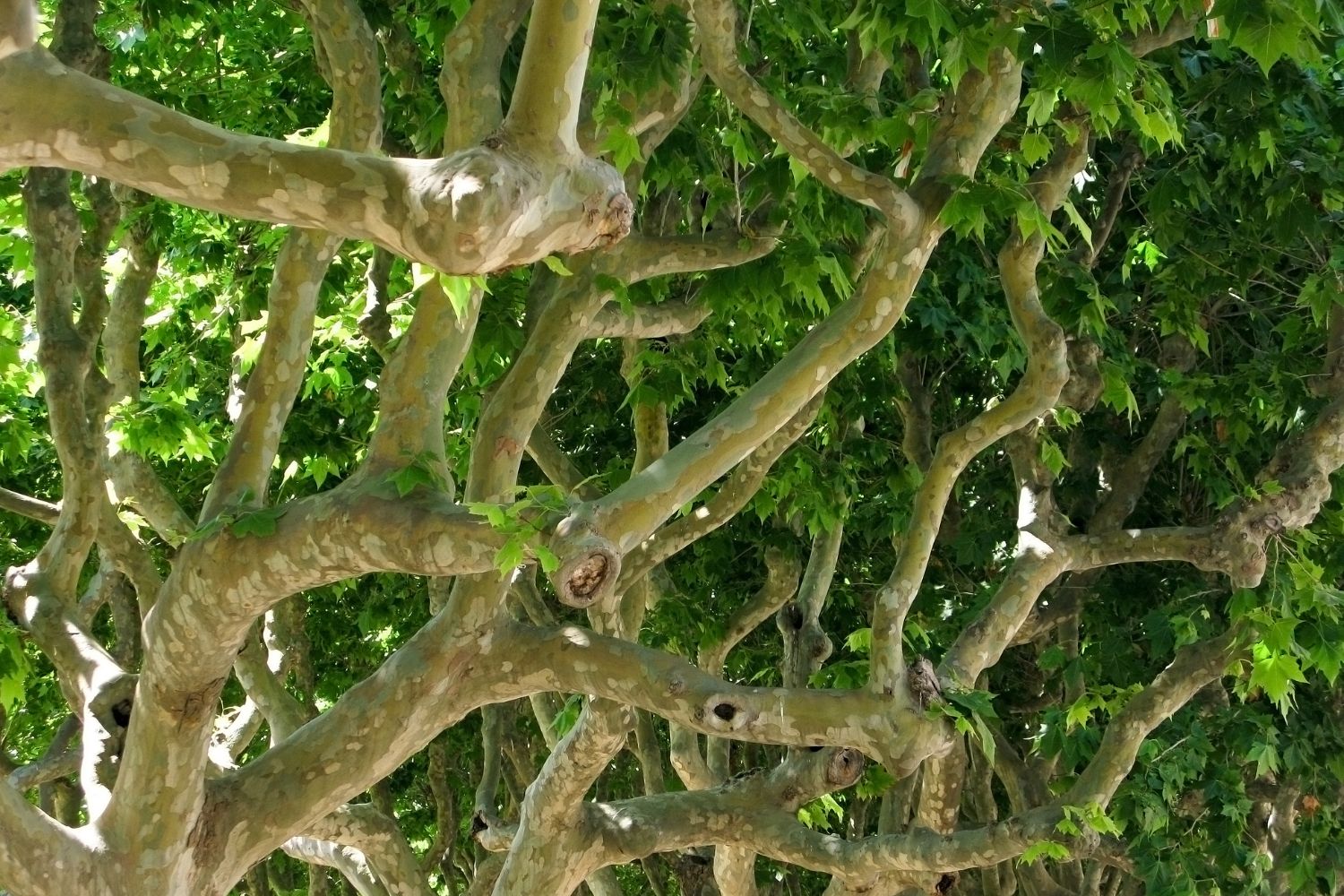
The plane tree, with its characteristic cortex and expanded hair, closes the ranking. It is widely used in urban avenues thanks to its resistance to pollution and the ability to filter PM10 and PM2.5, up to 2,100 kg in 20 years. A 2025 study of the University of Turin has confirmed that Platano can reduce noise and atmospheric pollution in cities.
How to choose the right tree?
The choice of the tree depends on the urban context, the type of soil and the specific objectives (e.g. CO2 reduction, dust filtering, shadow). Species such as the curly maple and the Ginkgo Biloba are ideal for difficult urban environments, while Cerro and black poplar are perfect for large parks or avenues. It is important to consult arboriculture experts to ensure correct maintenance and maximize environmental benefits.
Why are the eating trees of the eating?
Trees not only absorb CO2, but also capture polluting particles such as PM10, PM2.5 and nitrogen oxides, improving air quality. According to the World Health Organization (WHO), air pollution is responsible for about 7 million premature deaths every year globally. In Italy, cities such as Milan, Turin and Rome record levels of PM2.5 often higher than the recommended limits. Planting Mangia-Smog trees can reduce these risks, improving public health and making cities more livable. In addition, trees contribute to urban biodiversity, offering refuge to birds and insects, and improve the psychological well-being of citizens. A 2025 report by Legambiente underlines that increasing arboreal coverage in Italian cities could reduce summer temperatures up to 4 ° C and improve the air quality of 20%.
In short, the eating-eating trees are a precious resource to combat pollution and improve the quality of life in cities. Invest in projects of urban forestrylike those promoted by the national recovery and resilience plan (PNRR) in Italy, it is essential to create more green and sustainable cities. With the support of recent studies and the collective commitment, we can transform our urban areas into oasis of clean air and well -being.
What man destroys nature repairs, at least in part, but we cannot take advantage of it.