
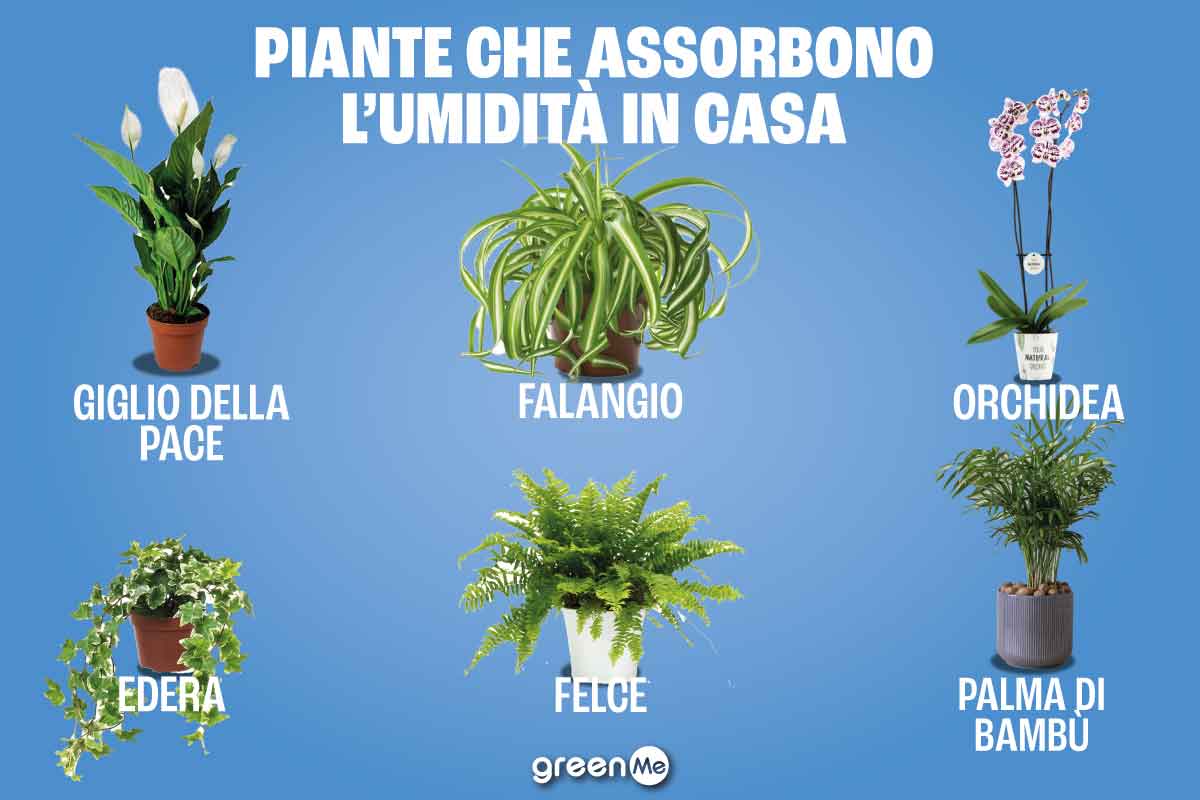
Reduce humidity in the home with the help of plants, some of them have the ability to absorb excess humidity and can prove to be a valid help in homes or environments that are poorly exposed to the sun.
Hot, humid summers can make our homes feel damp. The same goes for winter, when humidity and poor ventilation can lead to mold growth. Instead of running the dehumidifier all day, introducing a few houseplants into your home can help make a difference in regulating humidity levels.
Plants are natural dehumidifiers because they absorb water from the surrounding environment through their leaves and release it through transpiration, this process helps regulate humidity levels and create fresh air in every space.
How do plants absorb moisture?
Plants play a significant role in absorbing moisture from the air through two main mechanisms.
The first mechanism involves plant leaves. These leaves have small openings called stomata, which open to allow the exchange of gases such as carbon dioxide and oxygen, which are essential for photosynthesis. During this process, the leaves can also absorb moisture from the surrounding air. This process is particularly efficient in environments characterized by high humidity.
The second mechanism concerns the roots of plants. These roots absorb water directly from the surrounding soil. Because the water in the soil may also contain atmospheric moisture that has condensed, the roots serve as a vehicle to transport both water and moisture to the plant’s leaves. Here, these resources are used to fuel the photosynthesis process.
In summary, plants use both their leaves and roots to absorb moisture from the surrounding environment, thus helping to regulate the humidity level and maintain a balanced environment for their development.
What types of plants reduce humidity in the home?
Plants native to humid countries are more likely to evolve adaptations to absorb moist air, but some plants from arid areas with little rainfall may also be able to process moisture in this way, such as cacti. The most effective are:
Peace lily
Regardless of watering, this beloved houseplant absorbs moisture from the air through its leaves. Plus, it requires little sunlight to flower, making it perfect for most areas of the home.
However, the peace lily being a member of the lily family, is toxic to people and pets if ingested. Therefore keep this beautiful exposed plant out of reach of children and curious animals.
Boston fern
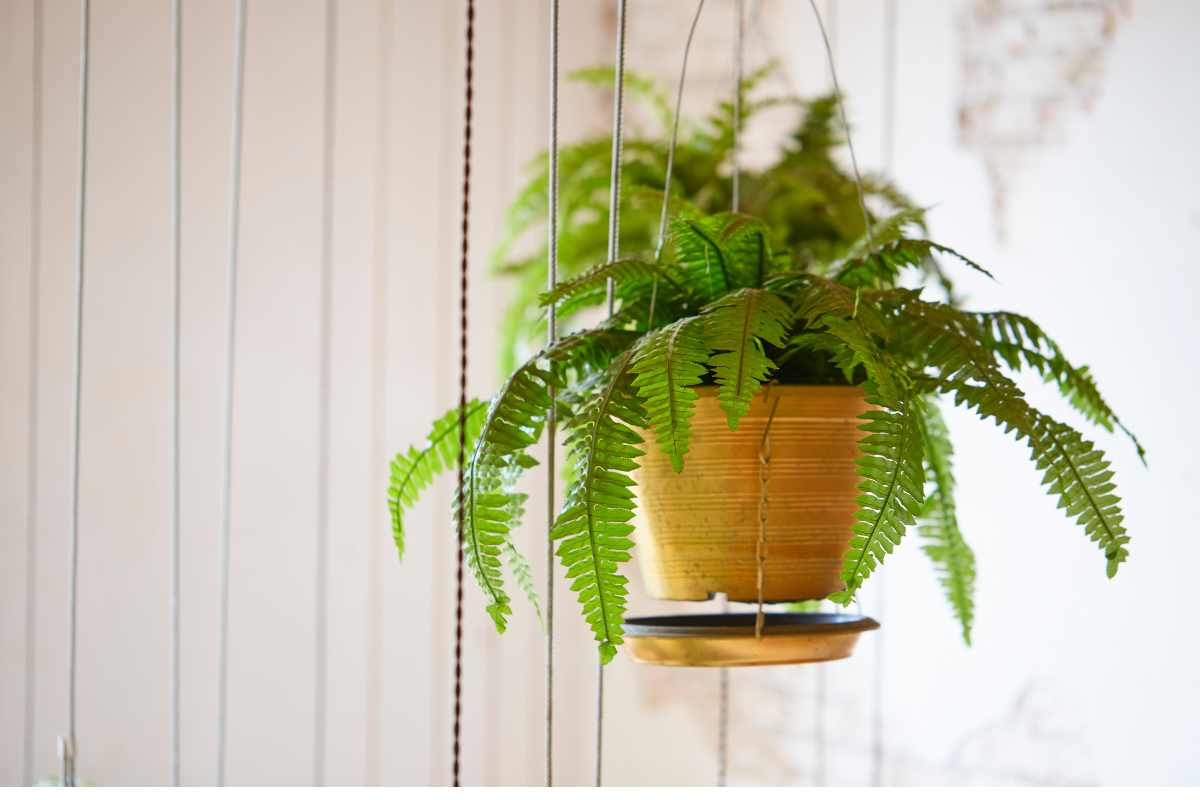
Boston ferns are a type of epiphyte, which is a plant that grows on the surface of another plant and gets its moisture and nutrients from the air, rain or water. Other epiphytes are mosses, ferns and cacti.
They need indirect sunlight and moist soil to grow. In winter, keep Boston ferns out of drafts and in a warmer room in the house.
Orchids
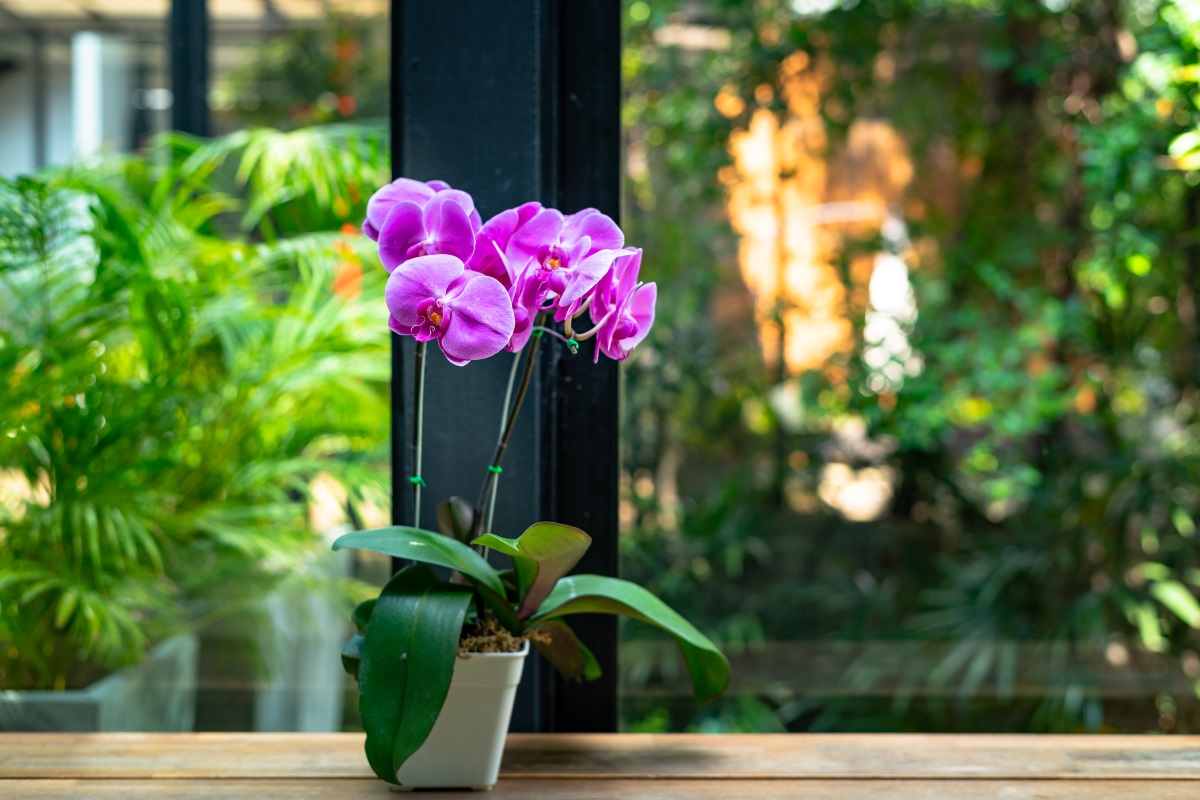
Orchids are another type of epiphyte and acquire nutrients and moisture from the surrounding air. An elegant choice for the home, with a wide range of colors and varieties to choose from.
Phalanx
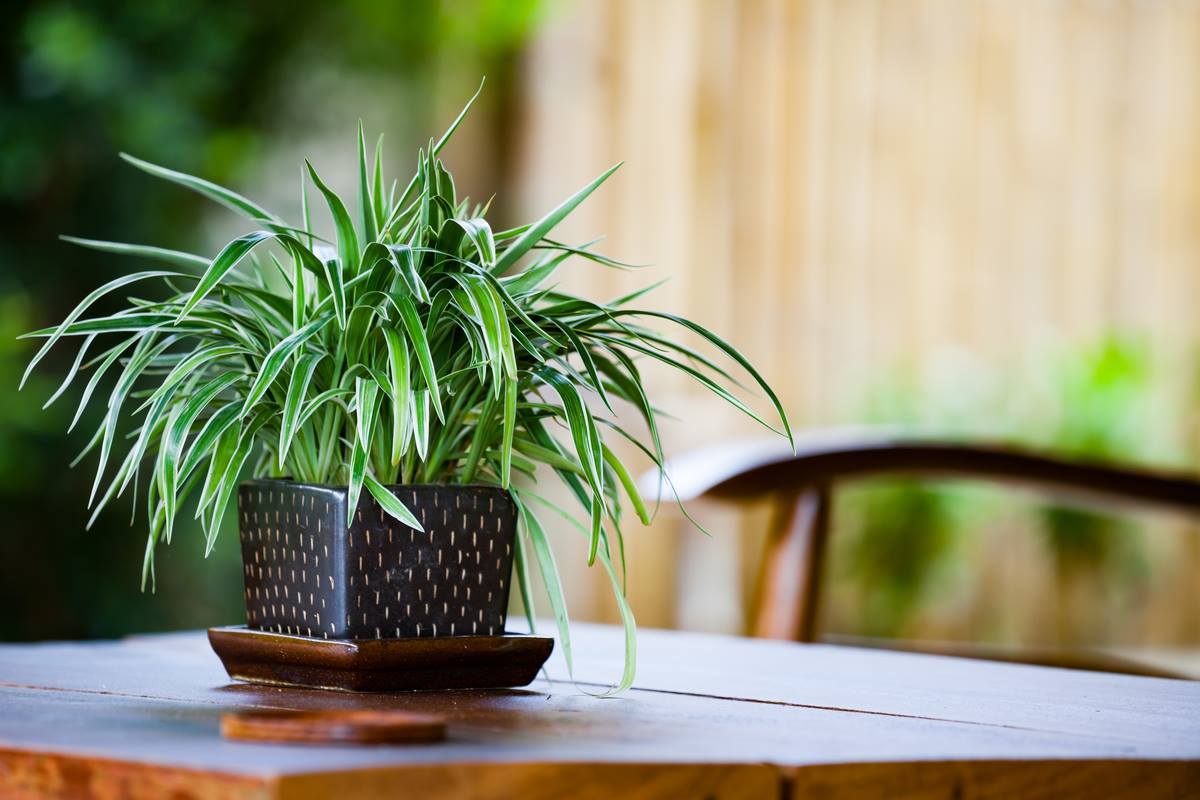
The phalanx is a perfect plant for interiors, especially thanks to its leafy appearance and the care it requires, in fact to take care of the phalanx you don’t need to have a green thumb.
Not only are they an excellent natural dehumidifier, but they are also ideal for people with busy routines and for those who lack light at home. Spider plants do well in low-light rooms and shaded areas and are a great choice for kitchens and bathrooms.
Ivy
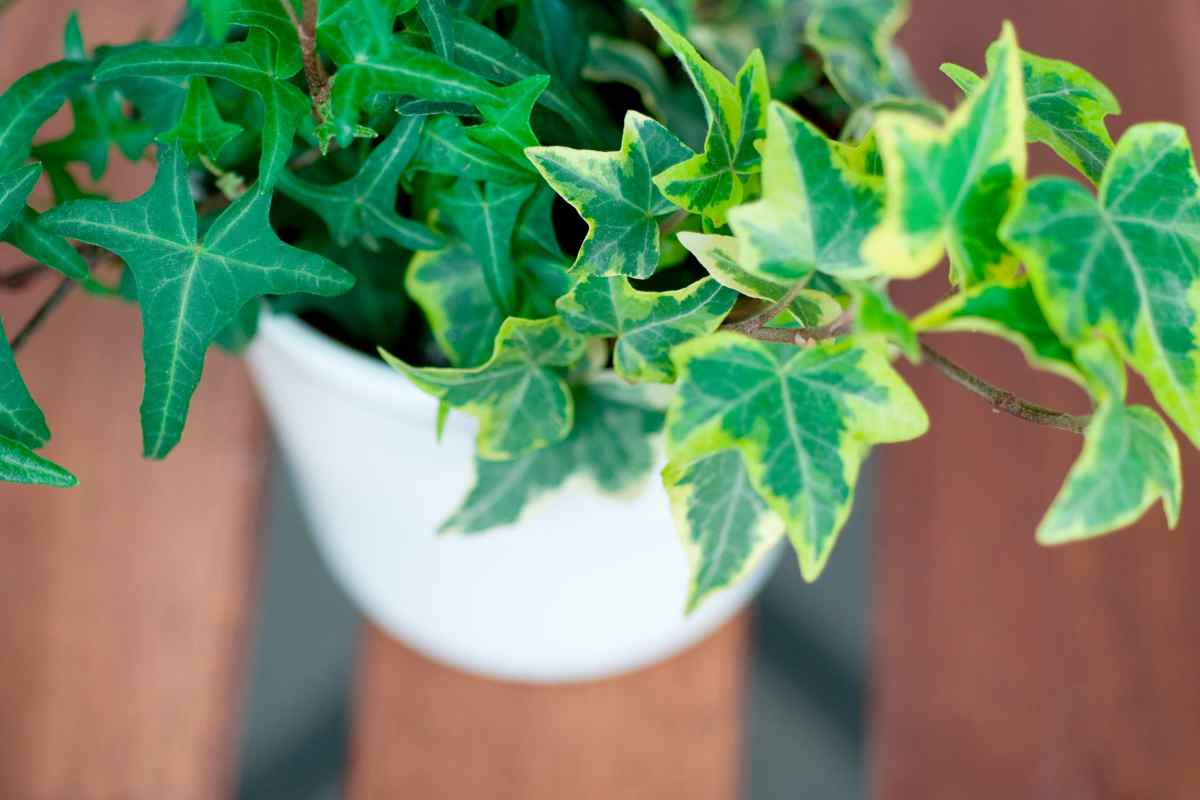
Undoubtedly, ivy is a particularly effective plant in eliminating excess humidity and contributing to the prevention of mold formation. In addition to its undeniable beauty and elegance, this plant is surprisingly easy to grow and is extremely useful if placed near damp walls. Thanks to its natural ability to absorb atmospheric humidity, this plant not only helps maintain a drier and healthier environment, but also prevents problems related to the presence of mold.
Bamboo Palm
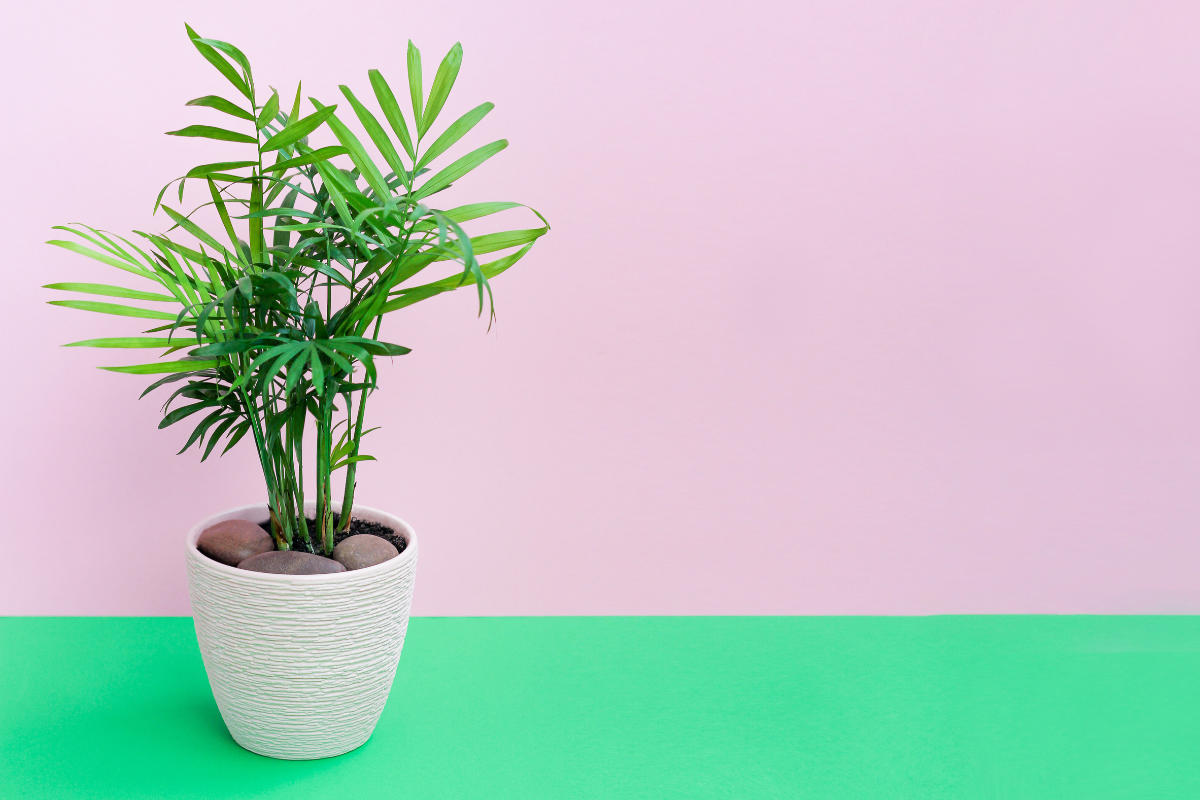
The bamboo palm is known for its ability to absorb humidity thanks to the transpiration of its leaves. This natural process helps regulate the humidity level in your home, helping to create a more comfortable climate and prevent mold from forming.
Tillandsia
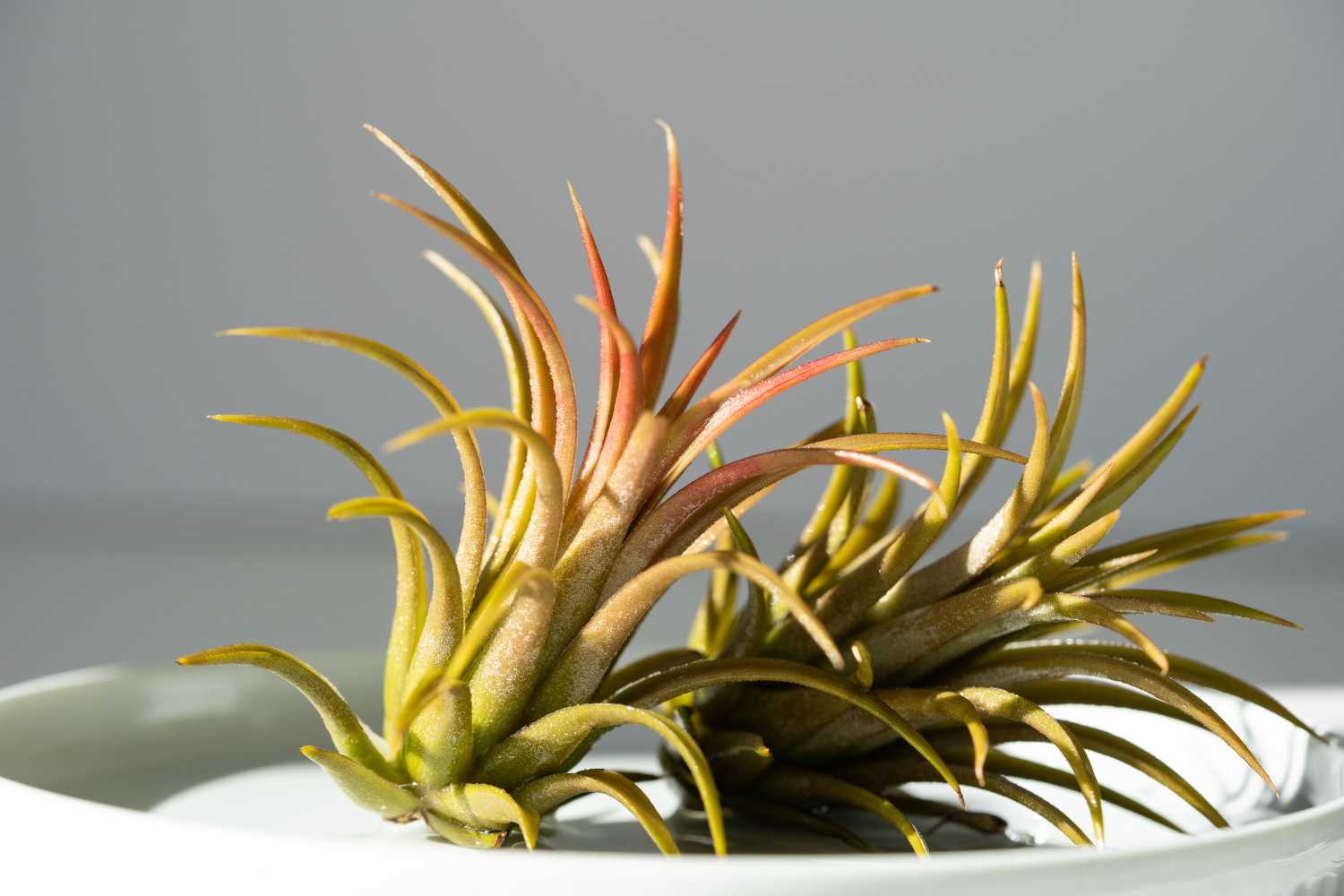
Tillandsia, also known as the “air plant”, is perhaps the dehumidifier par excellence: it has no roots in the ground and absorbs all the water it needs directly from atmospheric humidity through its leaves. It does not require a pot or regular watering, just a splash of water every now and then. It is ideal for those who have little space and are looking for a decorative and functional solution at the same time.
Aloe Vera
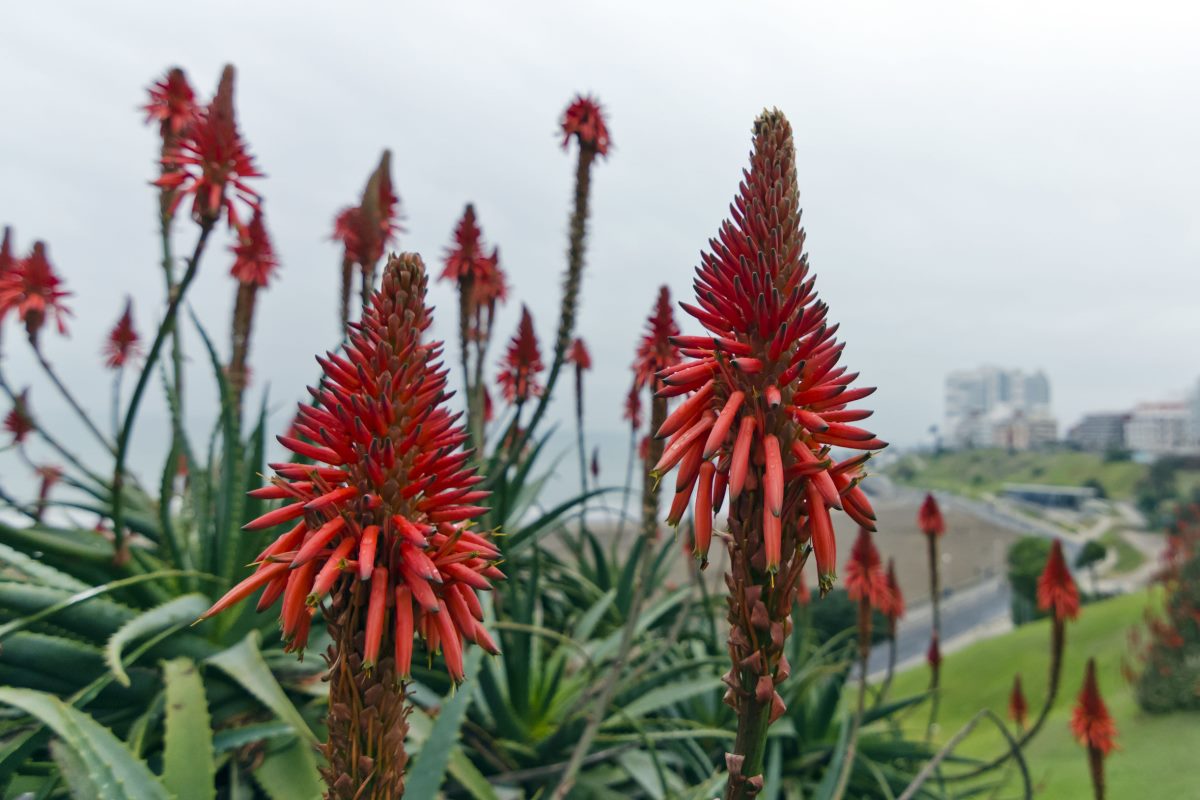
Aloe vera is a succulent plant capable of storing large quantities of water in its fleshy tissues, removing it from the surrounding air. In addition to the known beneficial properties of its gel, it helps maintain a balanced humidity level in domestic environments. It wants lots of light and very little watering, making it one of the easiest plants to keep alive.
Cactus
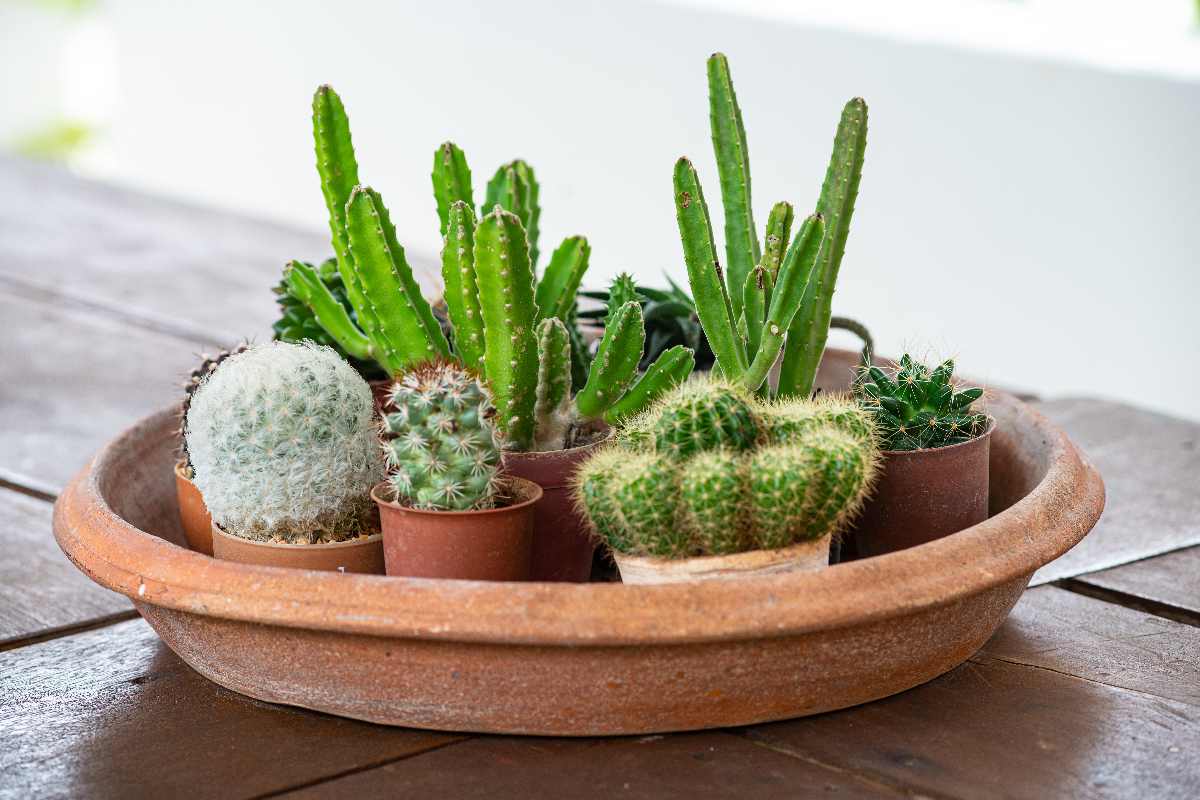
Often associated with deserts, the cactus is actually a master at absorbing and storing available moisture in the air. Its spongy fabric retains water for long periods, making it a silent ally against excess humidity. Perfect for those who forget to water their plants, it only needs abundant light and an environment that is not too cold.
Dracena
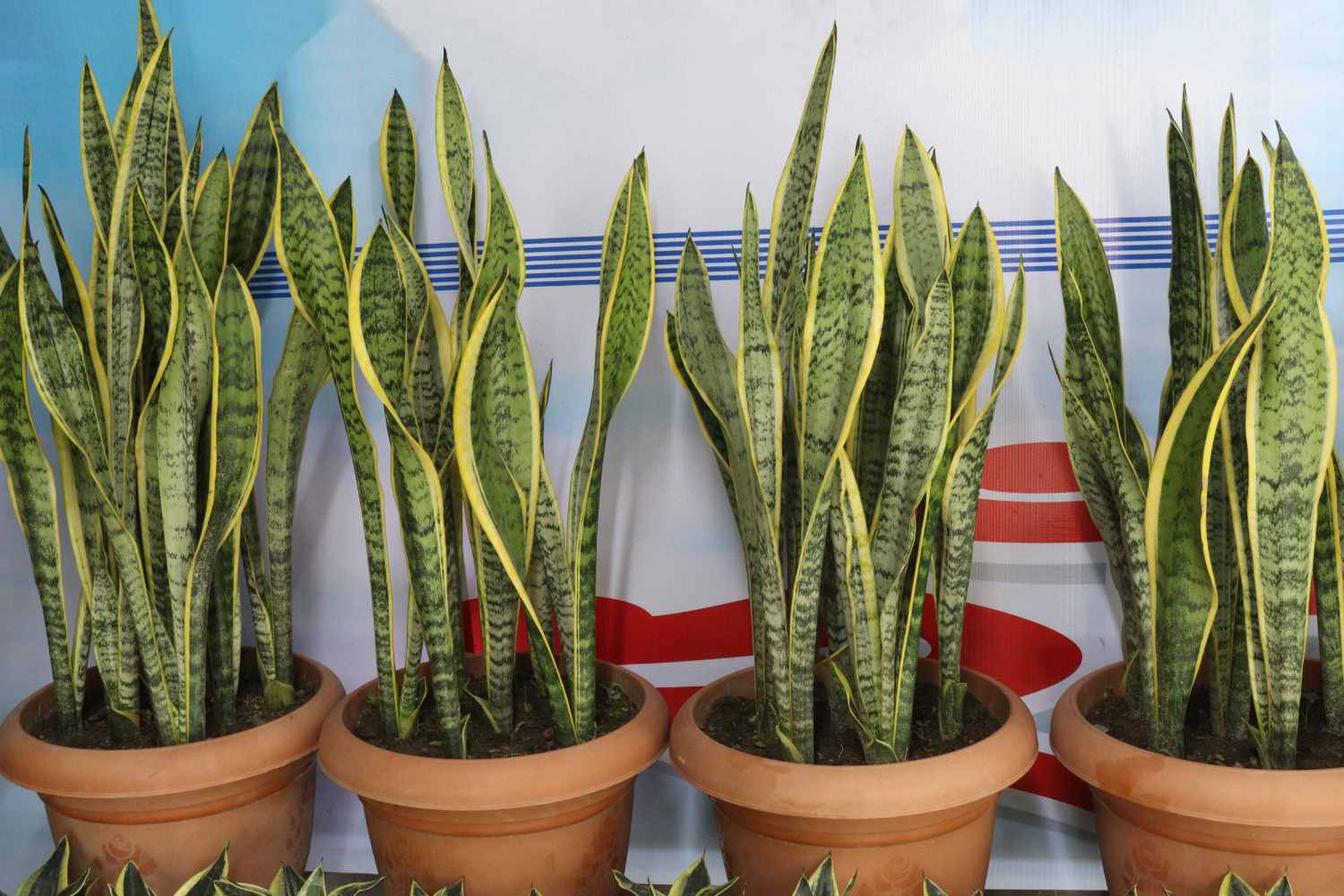
The dracaena is a tropical plant with an elegant habit, highly appreciated for its ability to purify the air and absorb excess humidity. Through the transpiration of its long ribbon-like leaves, it releases water vapor, actively regulating the microclimate of the room. It also adapts well to indirect light, which makes it versatile in different rooms of the house.
Where to put dehumidifying plants in the house?
Choosing the right plant is only half the job: placing it in the right spot makes all the difference.
The bathroom is one of the most humid rooms in the house, with peaks of steam after showers and baths. The best plants in this case are those that tolerate low light and high humidity: Boston fern, phalanx and orchids are excellent choices. Avoid succulent plants such as cacti and aloe, which tend to suffer in a bathroom without a window.
In the kitchen, where steam and condensation are commonplace, ivy is particularly effective due to its ability to absorb concentrated moisture near the walls. The peace lily also does well in this environment, as long as it is kept out of the reach of children and animals.
The cellar is the most critical environment: little light, poor ventilation and structural humidity. In this case, tillandsias are among the few plants capable of surviving and working without soil or direct light. Dracaena, if there is at least one artificial light source, can be another valid option.
In the bedrooms and living room, where you spend more time, focus on medium-sized plants with good leaf volume such as the bamboo palm or the dracaena: more leaves means more breathable surface and therefore greater ability to regulate environmental humidity.
How many plants does it take to really make a difference?
It’s one of the most frequently asked questions — and the answer depends on the size of the space and the type of plant you choose. As a general guideline, indoor air quality experts suggest an average of one plant per 9–10 square meters to achieve a measurable effect on air quality and humidity.
For a room of around 20 m2, such as a bedroom or a medium-sized living room, 2-3 well-placed plants are sufficient. If the humidity is particularly high or the room is poorly ventilated, it is advisable to increase the number or choose plants with more abundant foliage, such as bamboo palm or Boston fern.
An important detail: plants do not replace a dehumidifier in situations of severe structural humidity, but represent a natural and effective complement for the daily management of the home microclimate. Under normal conditions, a well-thought-out composition of plants can reduce relative humidity by a few percentage points, bringing it closer to the optimal range for health and comfort, which is between 40% and 60%.
Do you want me to integrate these blocks directly into the original text in a seamless way, or do you prefer to keep them as separate sections?
You might also be interested in:
