

Every year Rai 3 chooses twenty Italian villages, one per region, and puts them in competition in front of millions of people. It’s not just any travel program: it’s one of those rare cases in which public television does something useful, because the villages that win – and often even those that come second or third – see their tourism change in the space of a few months. The 2026 edition is the thirteenth, and it has already started with a selection that covers every type of landscape and every type of history: seaside villages, Alpine villages, inland towns that no one knows yet, and someone who deserves to be famous for decades.
Voting is open from March 1st and closes on March 22nd at midnight. The winner will be announced in prime time on Rai 3 on April 5, Easter day, during a special evening hosted by Camila Raznovich. The final result does not depend only on the public: the online votes are weighed together with the judgment of a jury of experts, who evaluate the villages on beauty, conservation and quality of life. But televoting matters, and it matters a lot.
How to vote, in three minutes
To vote you need to go to rai.it/borgodeiborghi and log in with a RaiPlay account — those who don’t have one can create it in a minute, it’s free and you can also use a social profile to register. Once inside, scroll through the list of twenty finalists, click on your favorite village and confirm. The system sends a notification that the vote was successful.
The important thing to know is that you can vote once every 24 hours, with the same account. It is therefore not a single vote, but a daily appointment until March 22nd: those who really care come back every day, and in the long run the difference can be seen in the rankings.
What are the 20 finalist villages?
Villalago (Abruzzo) Nestled between the Sagittarius Gorges, it’s the kind of place where you might encounter a deer while walking along the emerald lake, as the wildlife — including the Marsican bear — shares space with the inhabitants without anyone being surprised anymore.
San Fele (Basilicata) What is striking about San Fele is not the historic center, which is intact, but the sound: the waterfalls created by the Bradano torrent fill the air so that every corner of the town seems to have its own soundtrack, among ancient mills that still tell us how life worked here.
San Nicola Arcella (Calabria) On the Riviera dei Cedri there is a natural rock arch, the Arcomagno, which frames the sea as if someone had built a window onto the Tyrrhenian Sea. It’s the kind of shot that ends up on social media without filters, because there’s no need for them.
Zungoli (Campania) Stone village in the Irpinia hinterland, where caciocavallo still ages in the Byzantine caves dug into the rock. A historic center so well preserved that it seems like you have landed on a film set, except that people actually live there.
Canossa (Emilia-Romagna) Those who know medieval history already know why Canossa is a special place: it is here that in 1077 an emperor showed up barefoot in the snow to ask for forgiveness from a pope. The ruins of the castle that saw that scene are still there, on the Matildic hills.
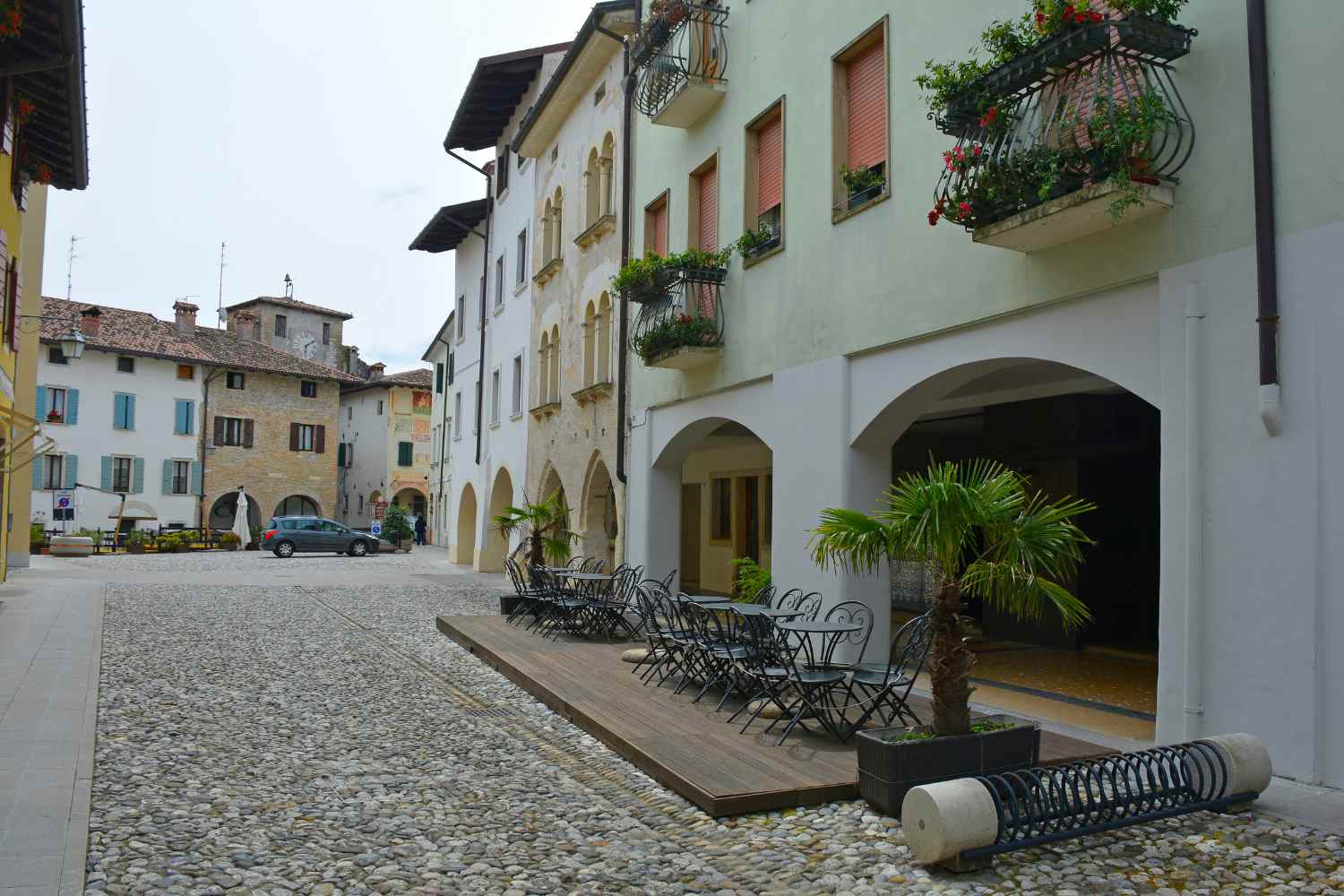
Spilimbergo (Friuli-Venezia Giulia) They call it the city of mosaics, and it’s not just marketing: there is a school here that trains artisans from all over the world in the mosaic technique, while the Gothic cathedral in the center is one of those places that you find almost by chance and then never forget.
Nemi (Lazio) On the Alban Hills, overlooking a volcanic lake that reflects all the greenery of the crater, Nemi is famous for its strawberries – sold practically everywhere from May onwards – and for Caligula’s ships that the emperor had built on the lake and which the Romans recovered two thousand years later.
Arenzano (Liguria) It’s not just the sea, even if the sea here is already a good reason to come. Arenzano has historic villas with gardens that seem out of context and marks the entrance to the Beigua Park, where the landscape changes radically and you go up towards the woods.
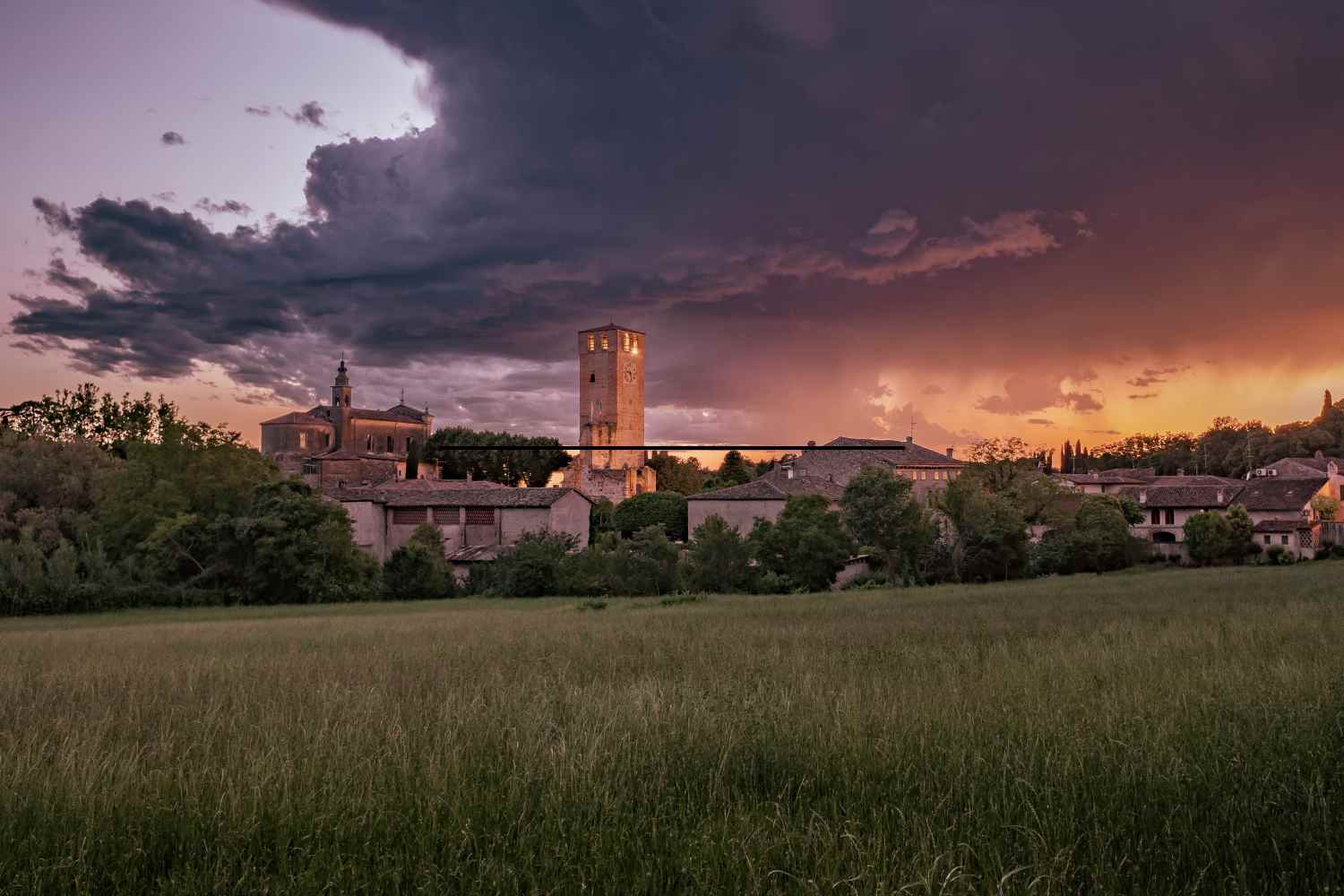
Castellaro Lagusello (Lombardy) It is one of those villages that are best seen from above: the medieval walls surrounding a heart-shaped lake, with the morainic hills of Garda in the background. Given his position, one wonders how it is possible that he is no longer known.
Cingoli (Marche) They call it the Balcony of the Marche because from the historic centre, on clear days, you can see everything: the Apennines on one side, the Adriatic Sea on the other. Inside the churches there are works by Lorenzo Lotto that in a city would be in queued museums.
Guardialfiera (Molise) It dominates the lake of the same name with that solitary air that certain villages in Molise have, a region that seems to exist outside of mass tourism. The medieval cathedral is one of the most significant monuments in the area, and the writer Francesco Jovine made literature out of it.
Villar San Costanzo (Piedmont) At the foot of the Cottian Alps, in the Cuneo area, there are the Ciciu del Villar: mushroom-shaped geological formations up to two meters high, scattered in the woods as if someone had placed them there on purpose. A walk among these rocks is enough to understand why the village is in the competition.
Margherita di Savoia (Puglia) The largest salt pans in Europe, the pink flamingos that live there permanently, the spas with the most concentrated salt water in Italy. Margherita di Savoia is one of those places that work best in the low season, when the colors of the water and salt become something difficult to describe.
Sadali (Sardinia) In the heart of Barbagia, Sadali is the only town in Sardinia where a waterfall flows in the middle of the town centre. It’s not a fountain, it’s a real waterfall, which crosses the town all year round as if it were the most normal thing in the world.
Realmonte (Sicily) The Scala dei Turchi is the white marl cliff that everyone has seen at least in photographs, even those who have never been to Sicily. Realmonte preserves it together with a hinterland that still bears the signs of decades of mining industry, a less photogenic but equally real history.
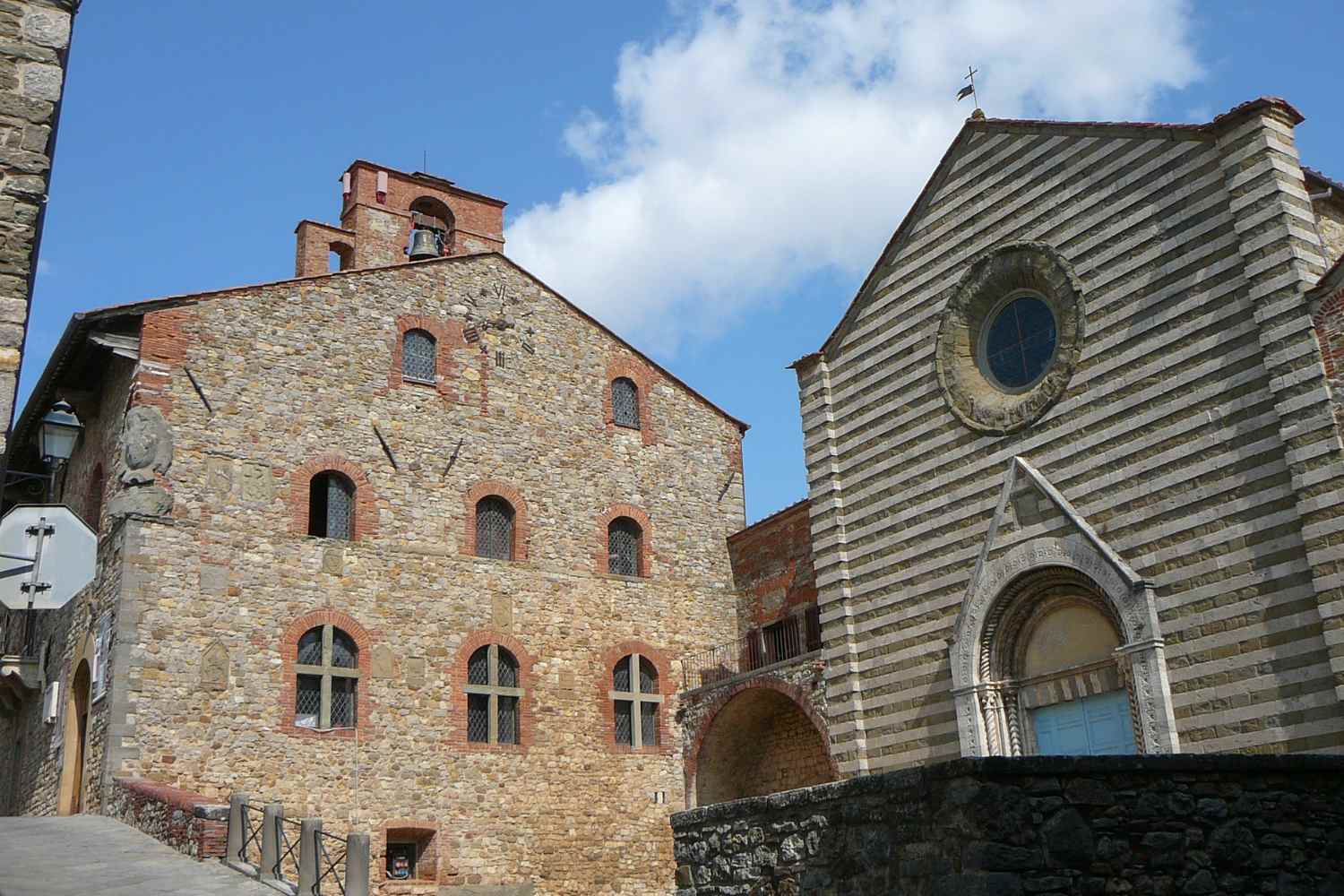
Lucignano (Tuscany) The plan of the village is elliptical, and whoever sees it from above immediately understands that it is not accidental: the medieval urban planning of Lucignano is studied in architecture universities. Inside there is also the Golden Tree, a fourteenth-century Gothic reliquary that is worth the trip alone.
Baselga di Pinè (Trentino-Alto Adige) On the Pinè Plateau, a few kilometers from Trento, there are alpine lakes, woods and a silence that becomes almost physical in the shoulder seasons. It’s the kind of place that Trentino people know well and that the rest of Italy tends to discover only by chance.
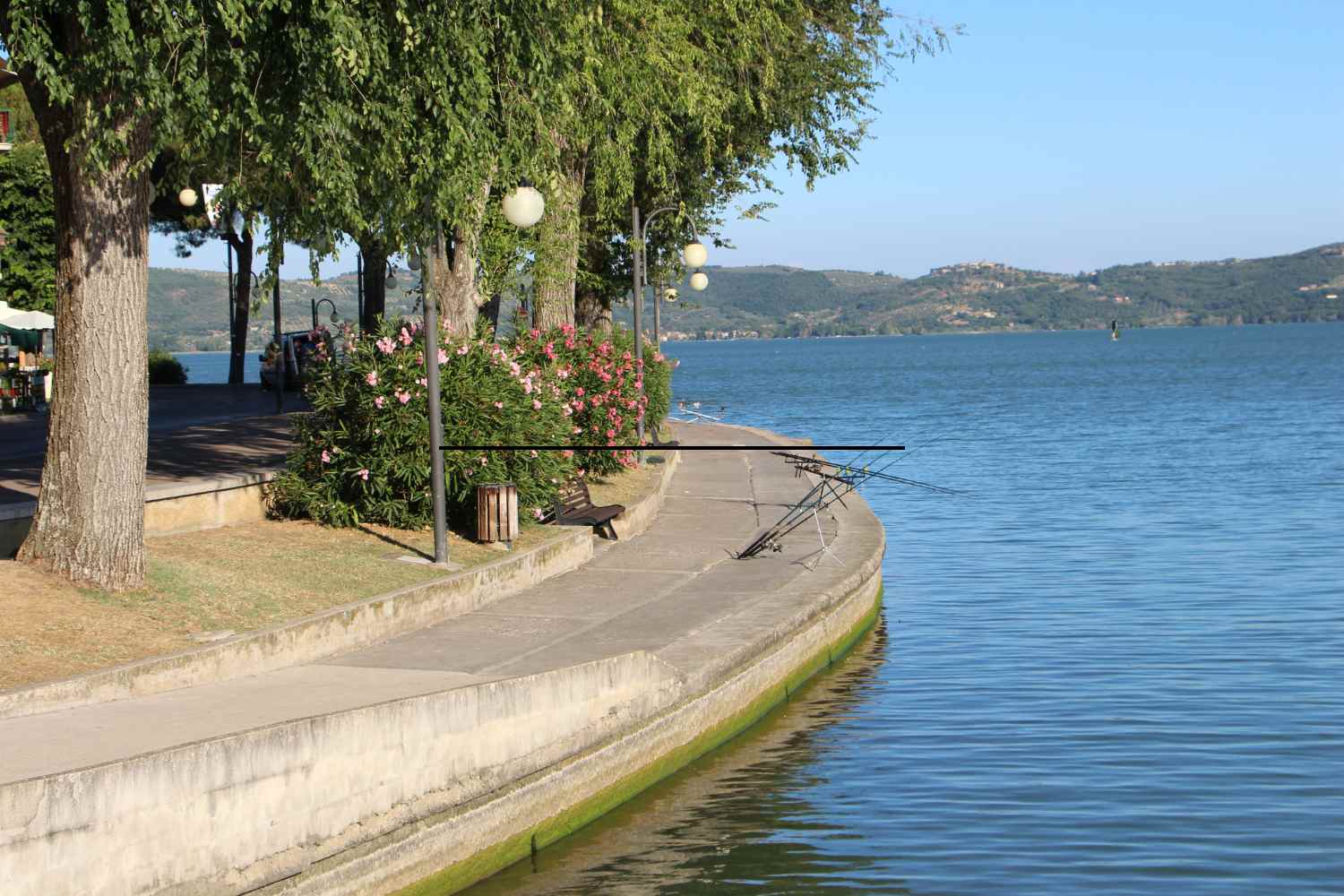
Passignano sul Trasimeno (Umbria) The fishing village on Trasimeno still has that lakeside atmosphere that has been lost in certain areas of Italy. The medieval fortress overlooks everything, the lake is large enough to seem like a sea, and Umbria here has a more aquatic character than you might expect.
Châtillon (Aosta Valley) At the entrance to Valtournenche, with the Matterhorn visible as you go up the valley, Châtillon is historically a point of passage which over time has become a place where it is worth stopping. The surrounding medieval castles, the local honey and the weekly market make it more lived-in than many Alpine villages.
Battaglia Terme (Veneto) At the gates of the Euganean Hills, it is a village built on water – canals, locks, river navigation – with a spa history that dates back to the nineteenth century. It’s the kind of place you can easily reach from Padua or Venice and which always seems further away from both than it is.
