

Italian summer is presented every year with increasingly demanding challenges for those who love green. The temperatures that touch the 40 degrees and the deficiency of water put to the test even the most green inch. The good news? There are extraordinary plants that thrive precisely in these extreme conditions, which will allow you to have a lush garden without having to water daily: in this way you will not have to worry about the water bill!
Calendula: the sun that does not fear the sun
Calendula is a plant that gives truly magnificent flowers, yellow or orange, which can resist for short periods without water, as well as in the intense heat of the summer. This flower has conquered gardens all over the world for a simple reason: it is practically indestructible.
The roots have in the ground in search of hidden humidity, while colored petals create spots of joy even when the thermometer goes crazy. This beautiful flowery plant does not make problems even when the temperatures drop by a few degrees below zero, perfect for those who want color all year round.
Calendula adapts to any ground, provided that it is well drained. Just sow her in the spring and she will do everything else, giving continuous blooms from spring to first geli.
Verbasco: the garden candle
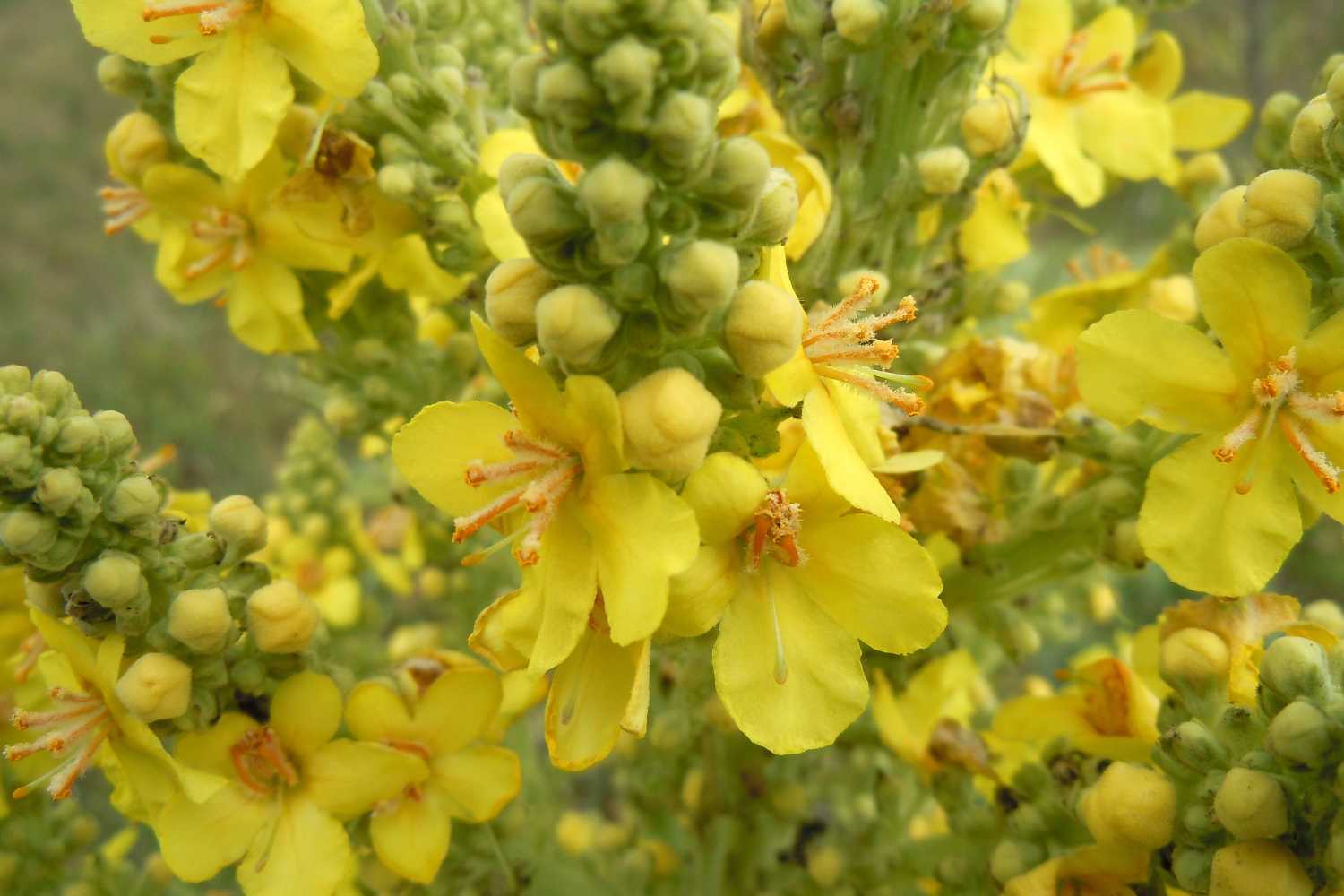
With a growth height of up to two meters, the imposing Verbasco is a very interesting plant. Thanks to its high inflorescences – from yellow to white, even viola – which appear from May to August, Verbasco is very decorative. His secret? A radical system that envies engineers.
The leaves, soft and hairy, work as a protection against evaporation and its long radical filth also allows it to reach water from the deepest layers of the soil. It’s like having a private well in your garden.
Verbasco grows spontaneously on the rocky slopes of the Mediterranean, so he knows exactly how to get away when the water is scarce. The flowery ears create a unique scenographic effect, transforming forgotten corners into real natural shows.
Delosperma: the ice crystals that love fire
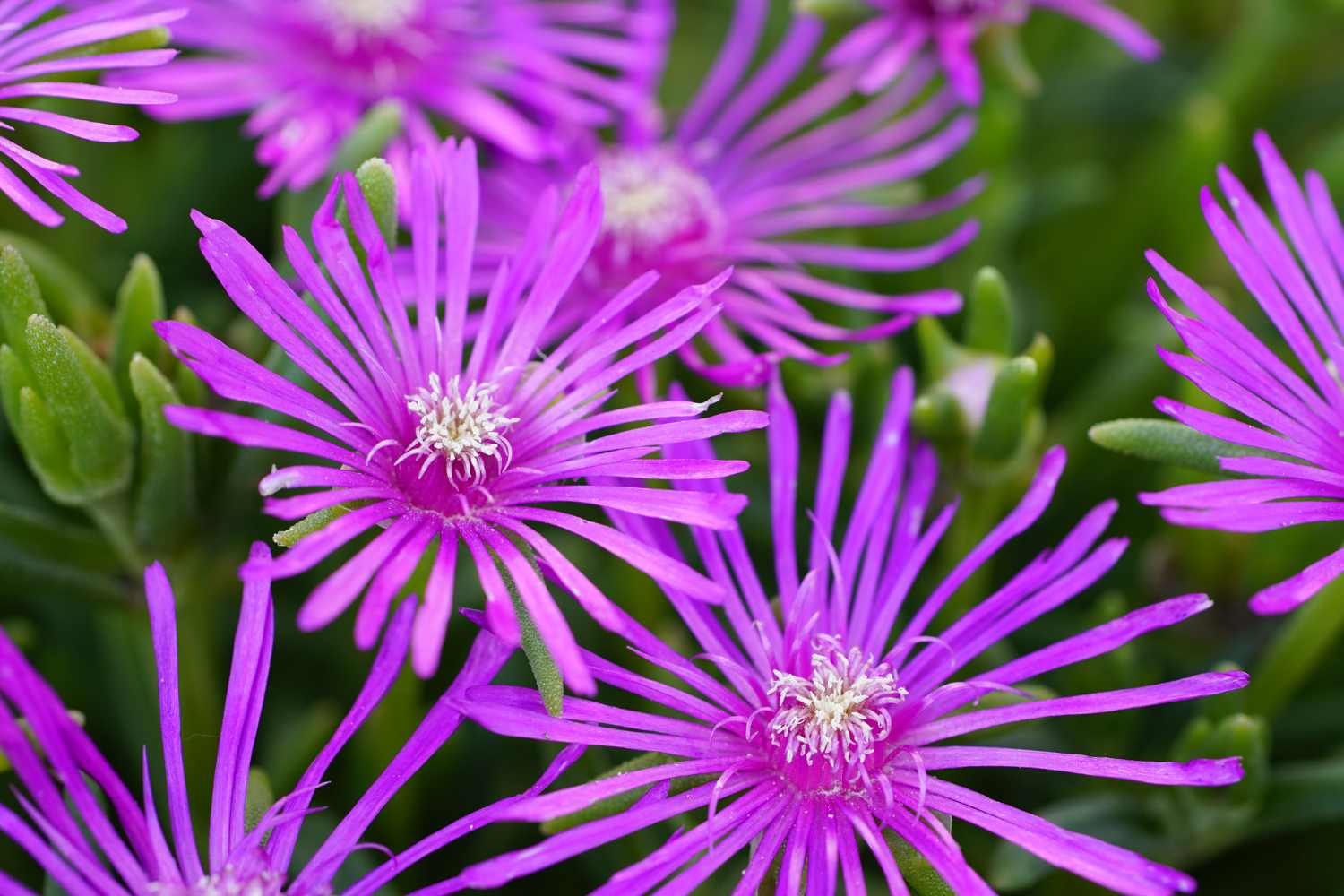
Delosperma are succulent plants of South African origin. They are very rustic and not very demanding plants. The nickname “ice flowers” derives from petals that seem bright crystals, but in reality these colored jewels love torrid heat.
Very rustic and not very demanding, it grows practically everywhere, and has a very high decorative power. The varieties available offer a chromatic range ranging from intense fuchsia to pure white, passing through all shades of pink.
Some varieties, such as the D. Cooperi even bears the -10 °. Perfect for those who live in areas with rigid winters but dry summers: one plant solves opposite climatic problems.
Achillea: the warrior of the meadows
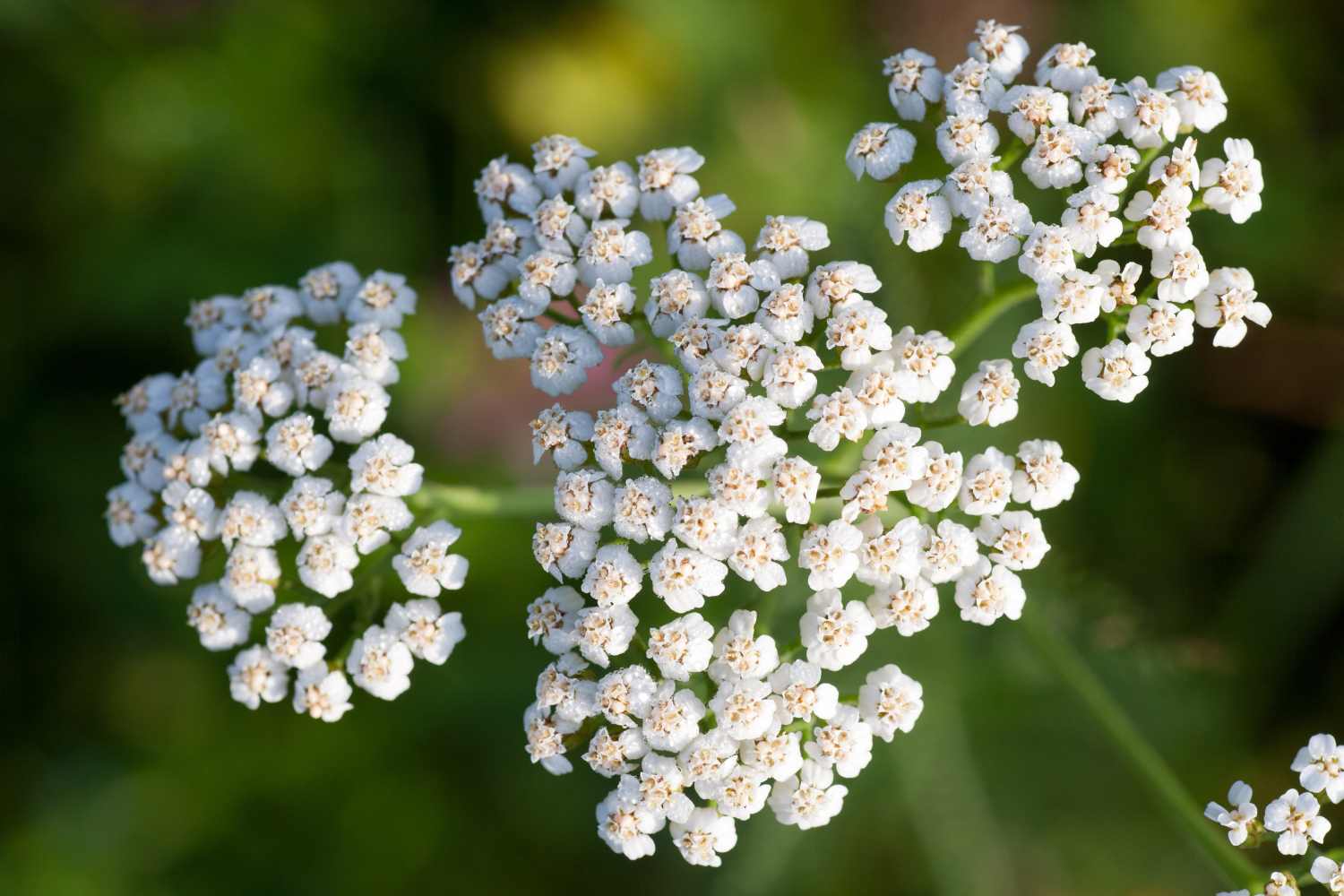
Perfect to be placed in the borders and to use to give a touch of color to your rocky garden, Achillea is a millefeuille plant. The name derives from the Greek hero Achille, and like him, this plant knows how to resist in battle against the ruthless sun.
Achillea does not require frequent irrigation: just wet it after sowing and during particularly dry periods. Its white or pink flowers form dense bearings that attract butterflies and bees, creating a lively ecosystem even when the rest of the garden languishes.
Nature designed it for difficult soils: from the Alps to the plains, Achilles spontaneously colonize the spaces where other plants give up. The jagged leaves reduce the surface exposed to the sun, while the roots explore every centimeter of earth in search of humidity.
Viburno: the aristocrat that does not make a whims
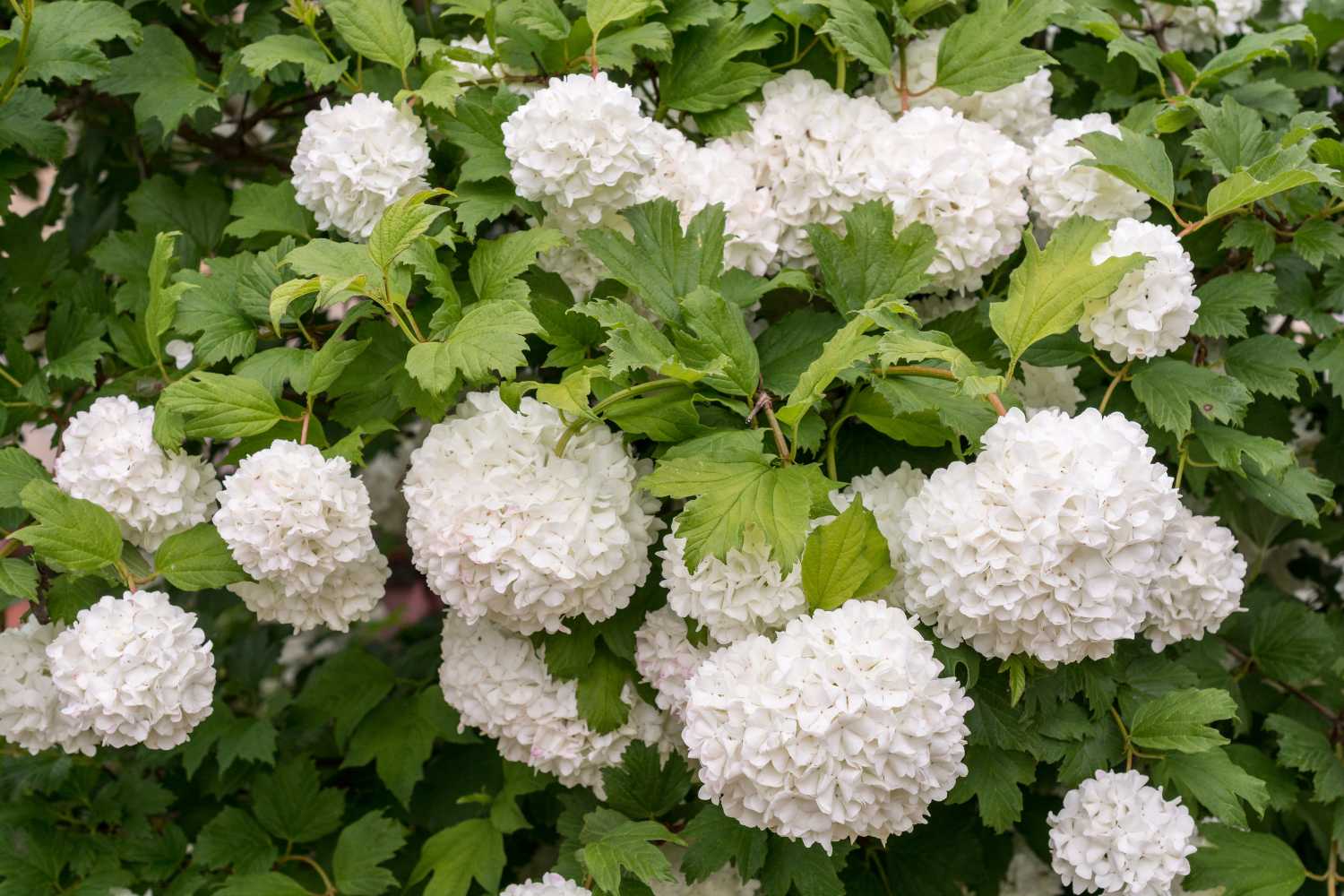
Viburno is undoubtedly one of the most rustic and resistant ornamental plants (up to -15 ° C in winter and +35 ° C in summer) that can be placed in the garden; One of those that, although neglected, can offer many satisfactions.
This shrub represents elegance without compromise, since it resists rigid temperatures and also bears the heat and drought well. Its shiny leaves maintain an impeccable appearance even under the swinging sun, while the perfumed flowers appear punctually every season.
Viburno grows slowly but constantly, forming compact hedges that require minimum maintenance. It is satisfied with the rains, although it can be necessary to intervene with abundant watering in the event of very prolonged drought periods. Translated: an annotation per month in the most critical moments.
The secret of intelligent savings
Choosing these plants means investing in the future of your green space. While the neighbors struggle with garden pipes and salted bills, those who focus on drought resistant species enjoy several advantages.
First of all, the economic saving is tangible: less water used means lighter bills. But there is more. These plants require reduced maintenance, freeing precious time on weekends. In addition, they adapt to climate change that characterize Italian summers more and more, guaranteeing a beautiful garden even in the most difficult years.
The winning strategy consists in setting up groups of plants with similar needs, to create micro -environments that support each other. A flowerbed with calendula, Achilles and Delosperma will be able to resist drought, resulting in spectacular chromatic combinations that change during the season.
The adaptation does not mean giving up beauty. On the contrary, it means choosing vegetable allies who have already shown that they know how to win the battle against the extreme heat, therefore capable of giving lasting and sustainable satisfactions.
Remember that the garden of the future is what works with nature, not against it.
Don’t you want to lose our news?
