
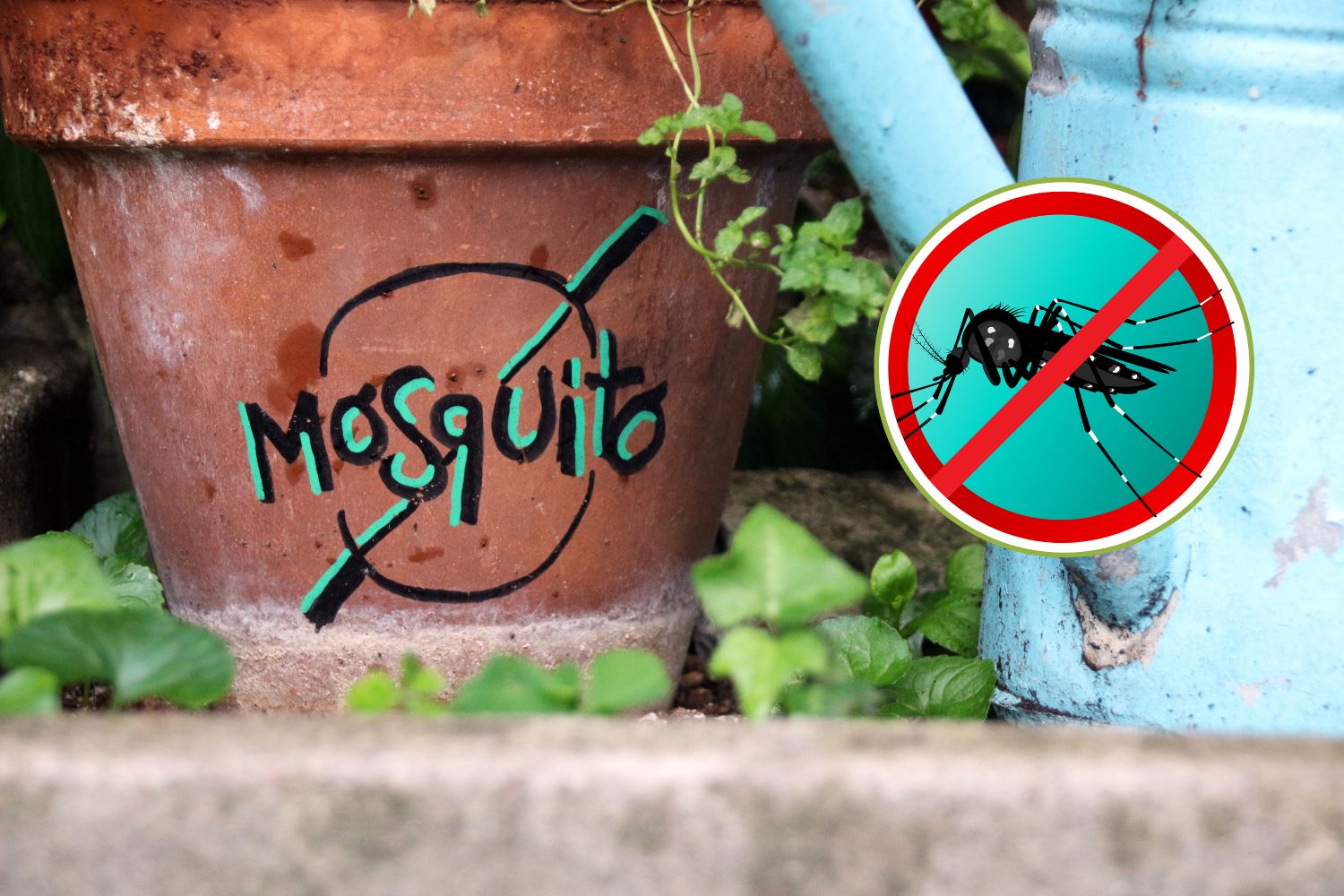
There is a moment, in every self -respecting summer, in which you find yourself in the silence of the evening, finally on the sofa, ready to enjoy some peace. Then you hear it: a thin, insistent, mocking hum. It is the mosquito that chose you. And you, armed with ciabatta and tiredness, starts hunting with the same determination as an improvised ninja, staging a routine that risks repeating itself constantly, day after day, at least until late October.
Fortunately, there is a smarter way to defend the house – and also the terrace, the balcony, the garden – without the need to spray any toxic repellent, nor go crazy with electrical gadgets that seem to have come out of a science fiction film.
The answer is all in nature: some plants, very fragrant and even beautiful to see, naturally reject mosquitoes and insects, which is why you should start cultivating them today.
Lavender
Lavender is among the most illustrious anti-life plants, a small fragrant miracle that manages to decorate outdoor spaces and keep them away from unwanted guests. His secret? An essential oil that insects find unbearable.
While we relax with its aroma, they flee. Just place a couple of vases on the windowsill, or plant it in the ground along the edges of the garden, to create a real aromatic barrier.
Lavender does not need too many treatments: she loves the sun, she stands well the drought and does not fear the wind. In short, he is a faithful, elegant and not very demanding partner.
Lemong

Citronella certainly does not need presentations, given that we could define it as the queen of repellent plants, whose smell is the typical anti-life candles. Except that, instead of buying them, you can grow the plant directly. Citronella – or lemongrass – is a graminacea with a slender bearing, similar to a bright green bush. It grows quickly, has an intense and very pleasant citrus perfume (to us), but is unbearable to insects.
To really work, it should be put in abundance: not a jar, but a small entirely dedicated corner. And if you want to exaggerate, you can also gently rub its leaves in your hands: the natural oil it releases will make you from a personal repellent. Other than chemical spray.
Mint
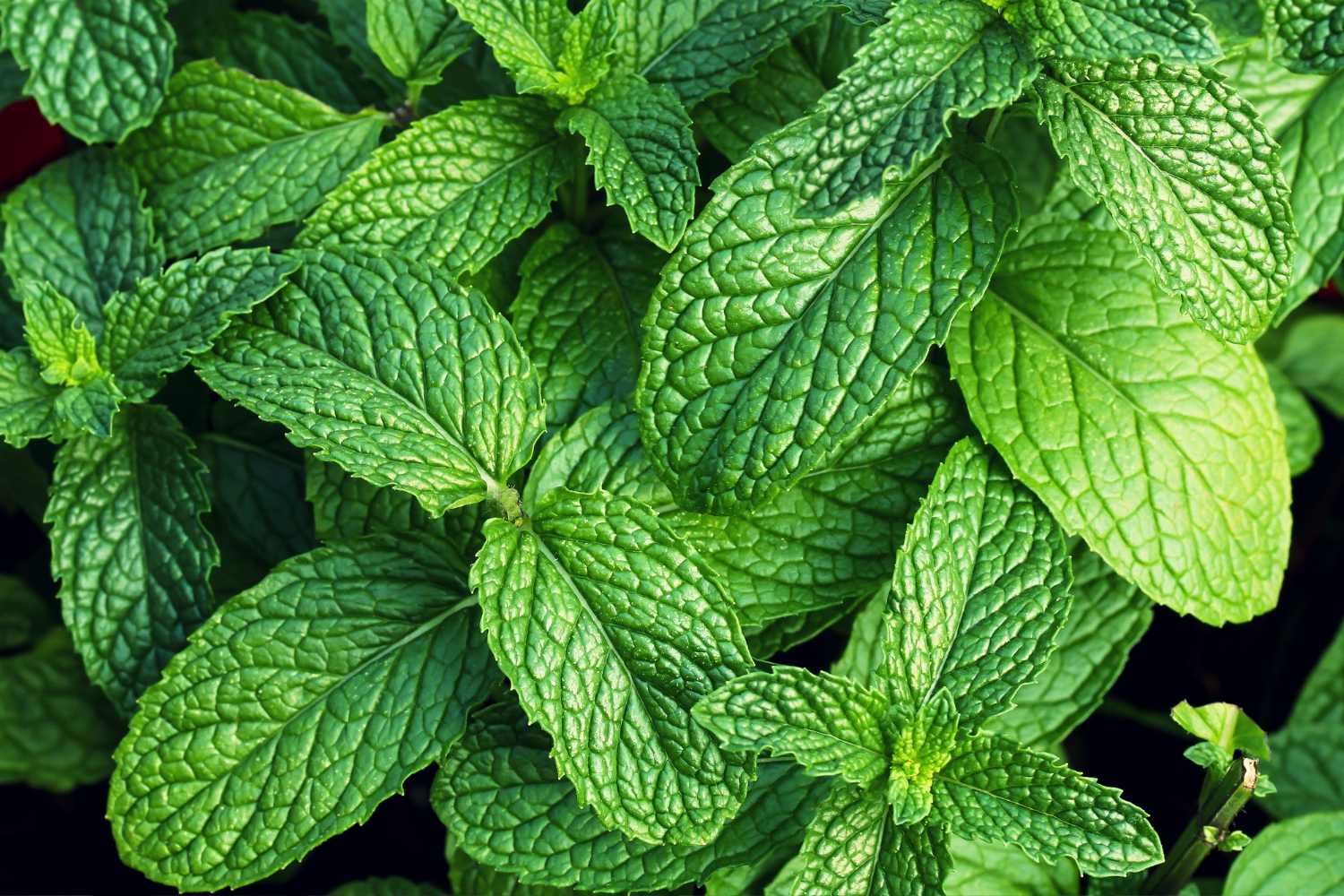
Mint is one of those plants that are not limited to being there, decorative: they are literally felt. The fresh and penetrating perfume acts as a very powerful deterrent against mosquitoes, ants and even some types of cockroaches.
It is very easy to grow, grows quickly and adapts to almost all types of soil. Only warning: it has an intrusive character. If you put it in the ground, it will tend to widen as an enthusiastic colony, for this reason it would be better to cultivate it in pots, to keep it under control.
Meanwhile, between a refreshing herbal tea and an improvised Mojito, enjoy the most free air from insects.
Basil
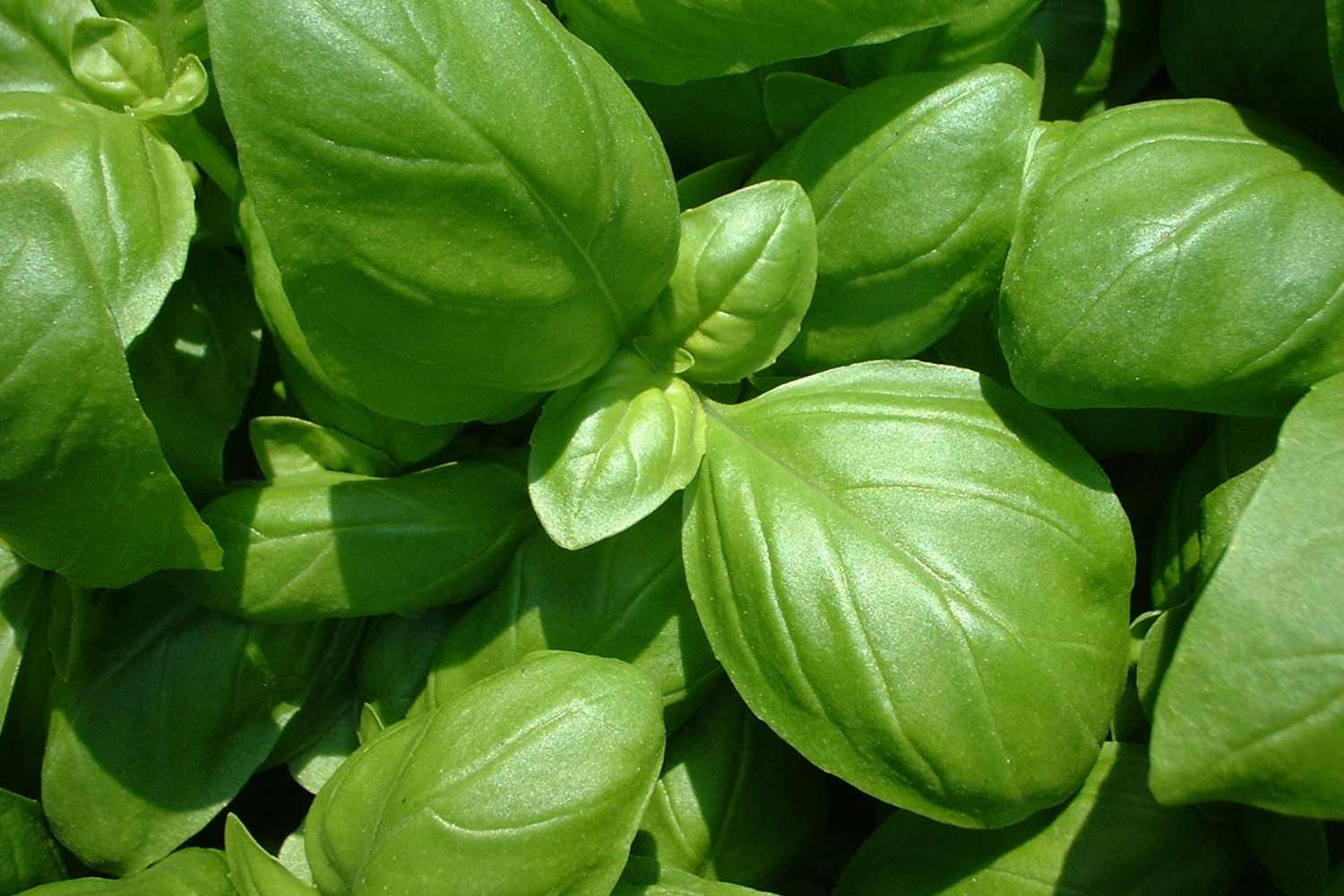
Who said that to keep insects away you have to give up the taste? Basil is the perfect example of a multitasking plant: it protects the house from annoying buzzes, gives you the scent of summer and flashes every dish.
The leaves are rich in essential oils and release an aroma that confuses the olfactory radar of mosquitoes. The advice, also in this case, is to plant it near the windows or near the most “sensitive” points of the house: entrance, outdoor dining area, doors thresholds.
Attention only to irrigation: Basil loves humidity, but suffers stagnation. Once the right combination is found, you will find yourself with an effective natural defense … and with an infinite escort of leaves for the pesto.
Rosemary
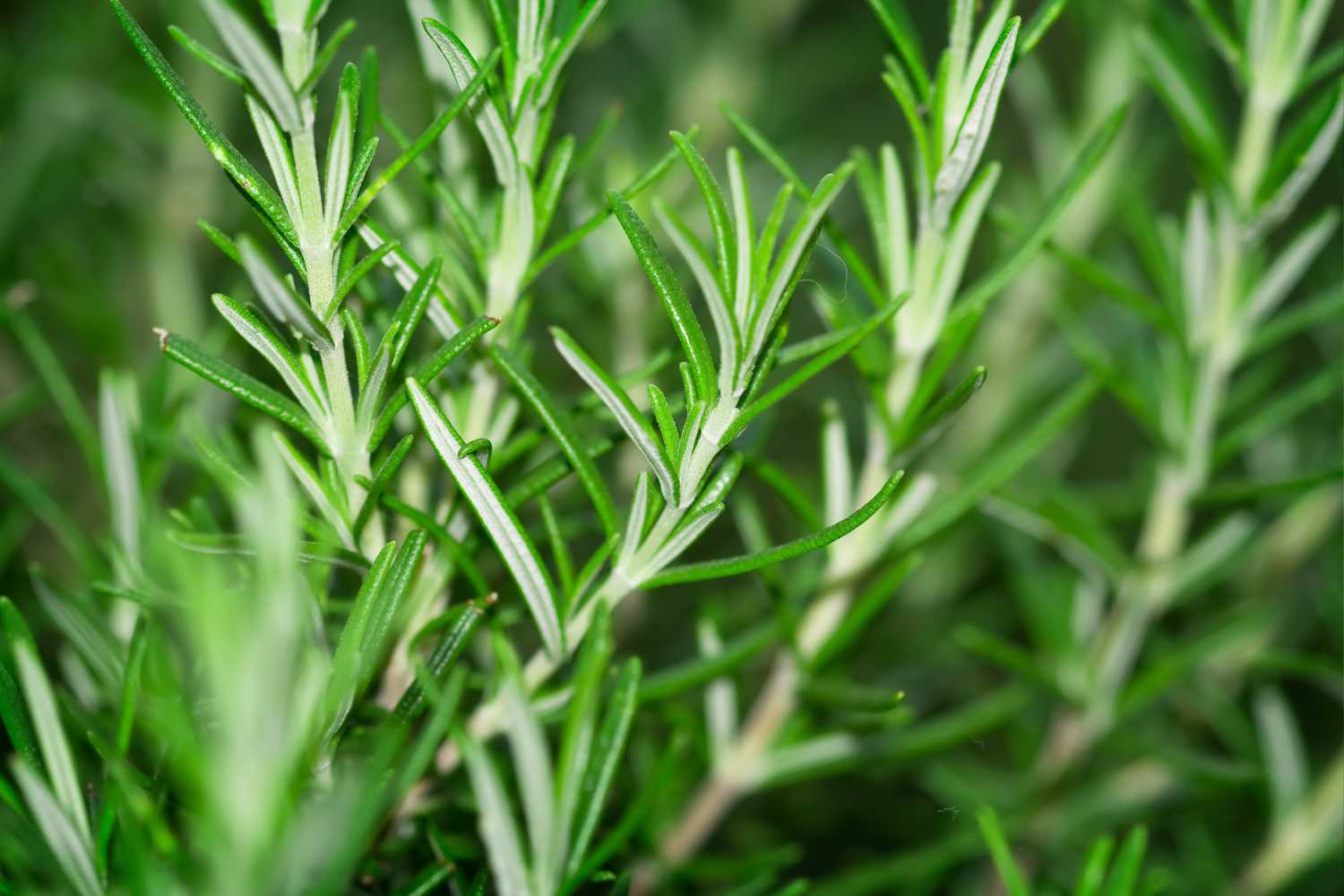
On the grill? Perfect. In vase? Even better. Rosmarino is not only used to perfume potatoes and roasts: it is also a very effective aromatic plant in rejecting mosquitoes, flies and even the butterflies of the pantry.
The strong and pungent smell keeps insects away, which struggle to orient themselves in its presence. And there is a small trick to increase the effectiveness: if you turn on some dry sprig on summer evenings, the aromatic smoke that releases will create a sort of natural shield around you. A barbecue … with repellent function.
In addition, rosemary needs very few attention. He loves dry climates, grows well in pots and adapts elegantly to the smallest spaces.
A green corner that is double (or even triple)
Cultivating the plants just observed, in addition to constituting a practical and intelligent system to defend itself from insects, represents a gesture that has an important environmental value.
Whenever you choose an aromatic plant instead of a insecticide spray, reduce the introduction of chemicals into the air, avoid buying plastic packaged products and help maintain a healthier ecosystem around you. The bees, for example, will thank you, because many of these plants – in particular lavender, rosemary and basil in bloom – attract precious pollinating insects.
In addition, there is the personal benefit: you can save money, you will have fresh ingredients always at hand and set up a more welcoming, fragrant and alive space.
Start today, with one vase at a time
You don’t need to have a garden or the green thumb. Even a balcony can become an anti-life fortress, if well organized. Start from a plant, observes how it behaves, listen to what “tells you” – yes, plants also speak, in their own way – and then add another.
Lavender and lemongrass are perfect to alternate along the edge, mint and basil love to be close to the kitchen, the rosemary behaves as a sentinel at the entrance, discreet but determined.
And while they work in silence, you can finally enjoy the summer, perhaps outdoors, perhaps with a book and a glass of wine, sheltered from annoying hums and guilt.
Because sometimes very little is enough to live better. And everything starts from a plant.
