
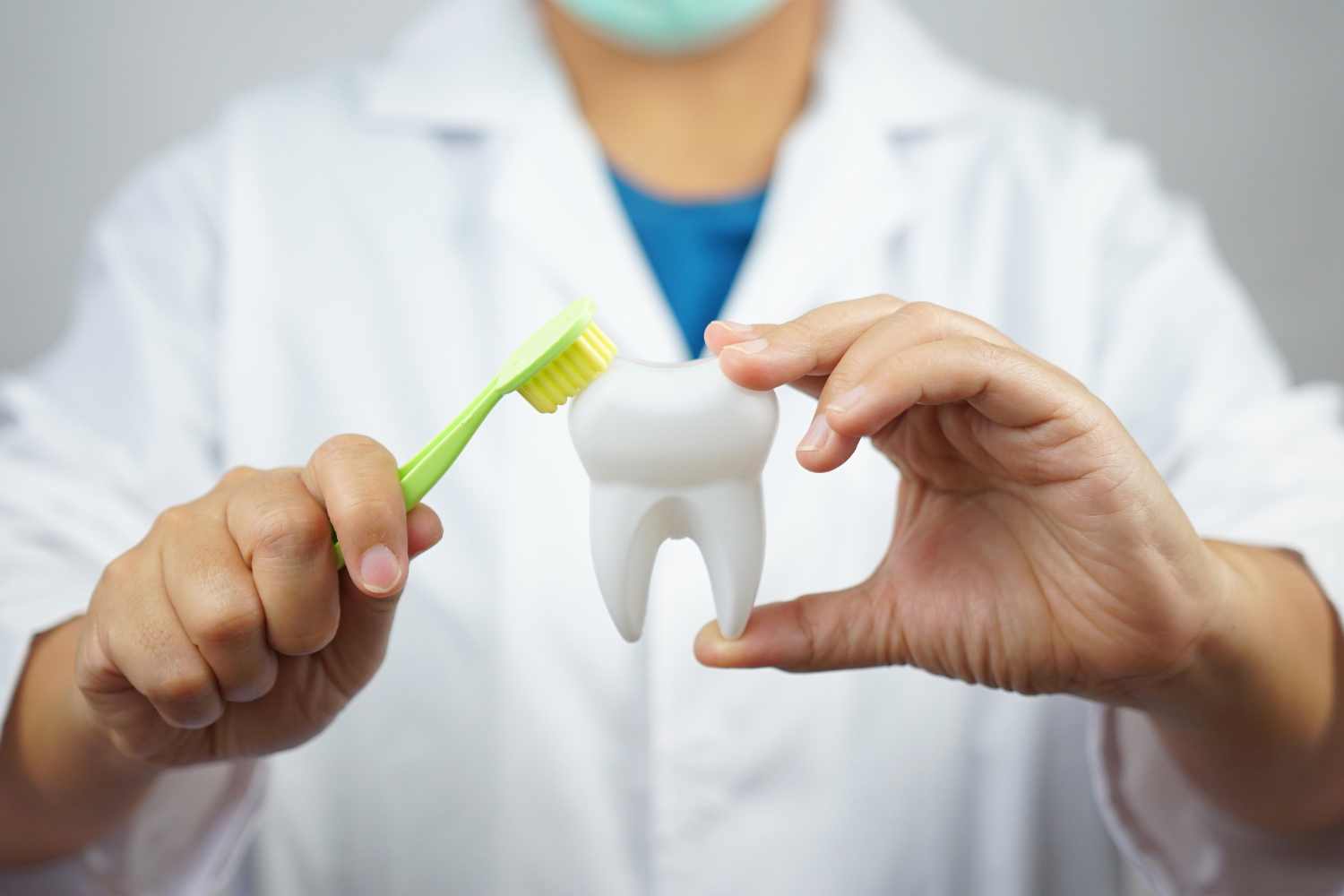
We wash our teeth every day, several times a day. It is one of those gestures that we learn since children and that accompanies us throughout our life. Yet despite automatism and daily practice, it is not uncommon for people to perform a series of errors which, over time, can compromise the health of the mouth. Let’s see together what they are the most common And why avoid them.
Brush with too much force
One of the most common mistakes is to believe that pressing stronger is equivalent to cleaning better. It is a misunderstanding that can cause important damage, because excessive pressure on the toothbrushin fact, not only that, but He risks eroding dental enamel and inflaming gums.
Better to opt for a soft bristle toothbrush, which removes the plate gently, or rely on an electric toothbrush equipped with pressure sensors, which they report when they are exaggerating.
Wash your teeth after breakfast

Many people think it is more hygienic to wash their teeth after eating, perhaps to eliminate all traces of coffee, cappuccino and orange juice. Actually, The best time to wash your teeth is before breakfast, not after.
During the night the mouth accumulates both bacteria and plaque, and washing your teeth as soon as awake contributes to reducing its proliferation, without forgetting the action carried out by toothpaste, which provides a protective barrier against acids contained in morning foods: Eat first and brush laterespecially if acidic foods are consumed, can weaken the already sensitized nail polish.
Skip the dental floss
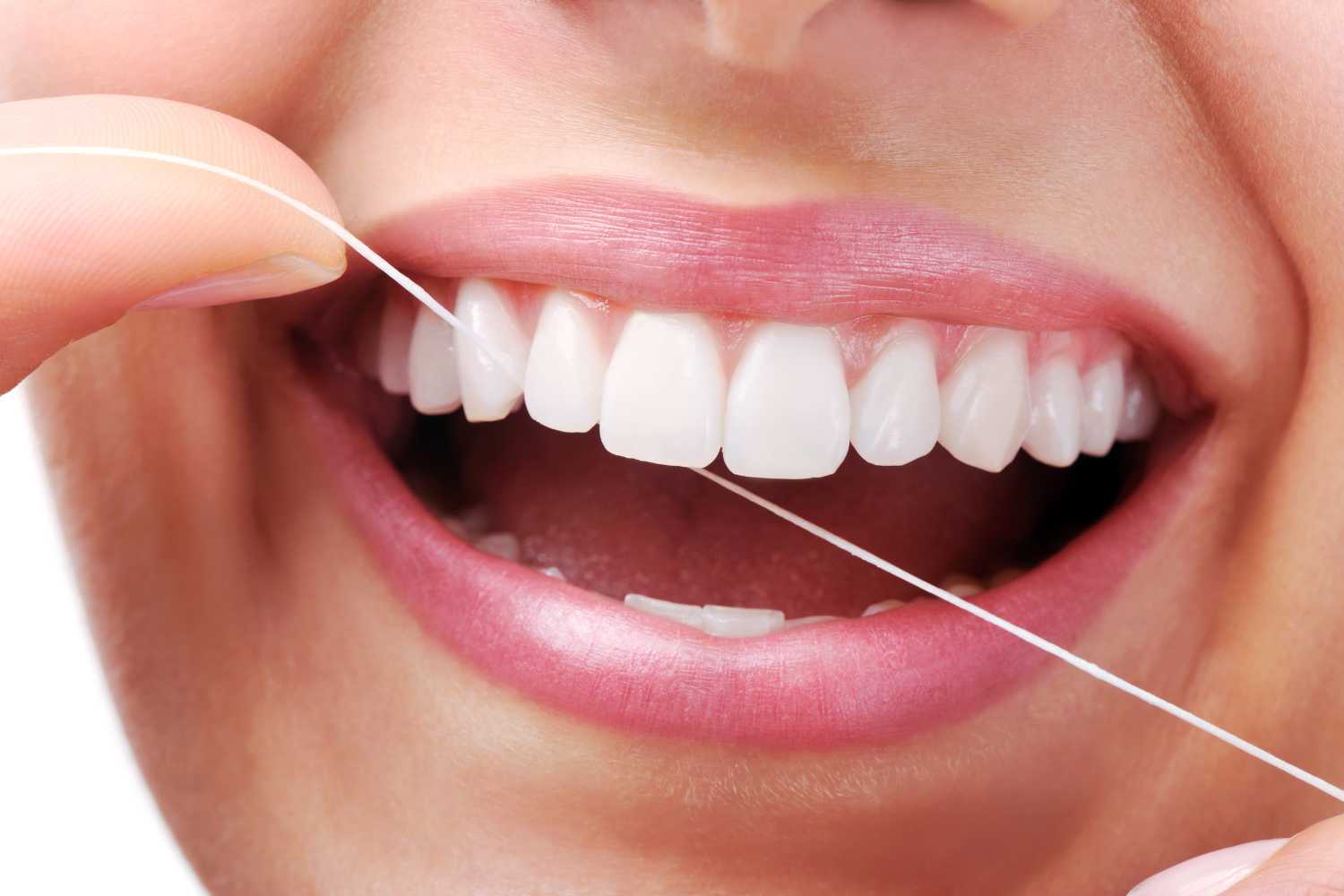
Washing your teeth twice a day is not enough, if you forget the dental floss, because food residues and plaque also nest between one tooth and another, where the toothbrush does not arrive. Remember that Daily use of the interdental floss helps prevent caries, bad breath and gingival inflammation. A further trick? Use it before washing the teethto remove the plate in depth and make the subsequent passage of the toothbrush more effective.
Rinse your mouth with water after brushing
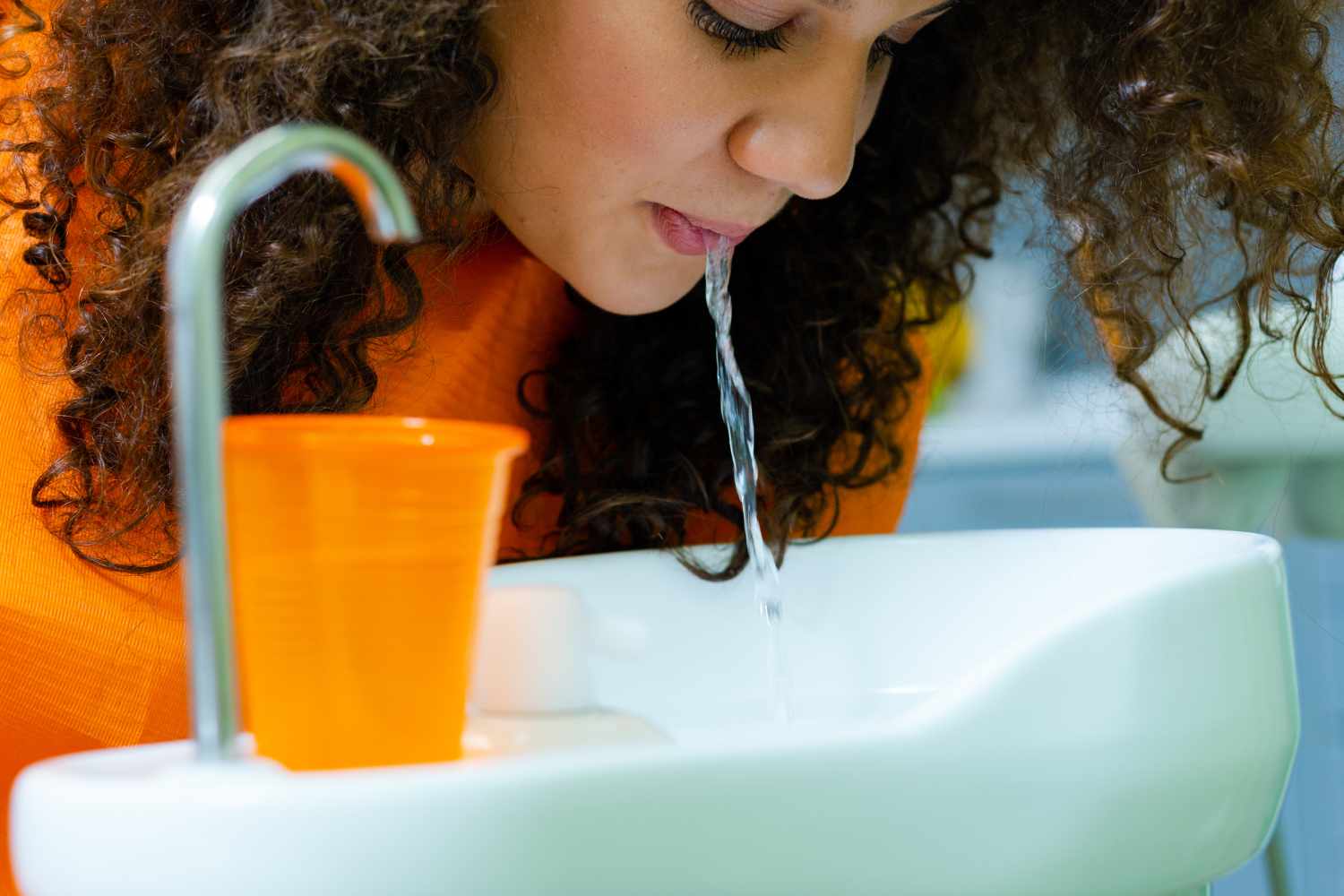
It is an instinctive gesture: finished washing your teeth, you rinse your mouth with water. But it’s wrong.
Toothpaste contains fluorinea mineral that helps reminisralize the enamel and prevent caries, e Rinse with water immediately afterwards means diluting and removing this precious protection. Better to simply spit the excess of toothpaste and let the fluorine continues to act. If you really can’t give up the rinse phase, you can use a fluoride’s mouthwash without alcohol.
Wrong movements during brushing
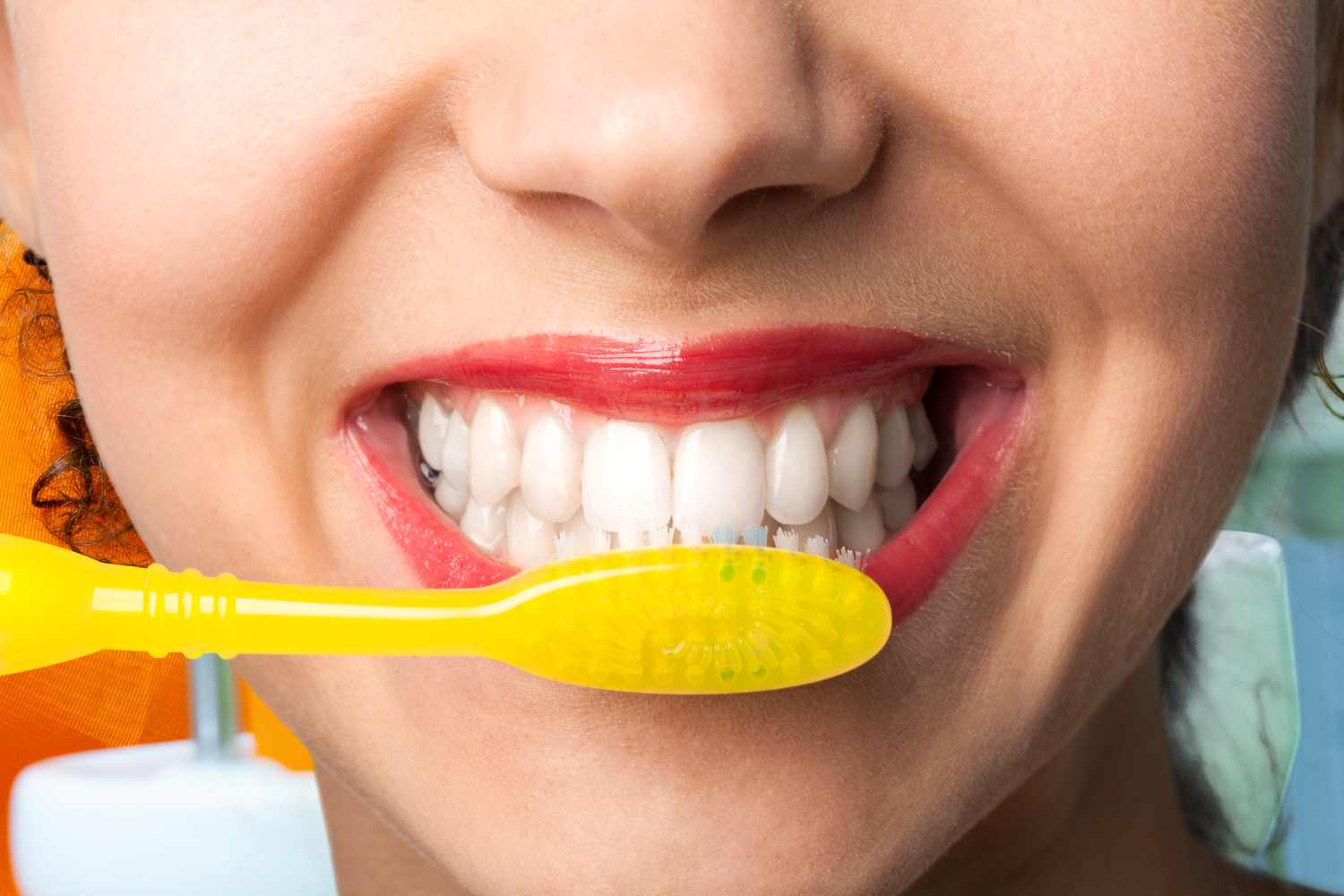
Many brush their teeth with horizontal movements from left to right, as if they were polishing a surface: it is not a correct method, since it is not effective and risks neglecting large portions of the mouth. The most recommended technique involves delicate and circular movements, or up and down, focusing on each individual tooth. Dedicate at least two minutes to cleaning, paying attention to each area, including molars, gums and internal part.
Keep the toothbrush inclined at 45 degrees compared to the gingival line helps to remove the plate in depth.
Forget about the language
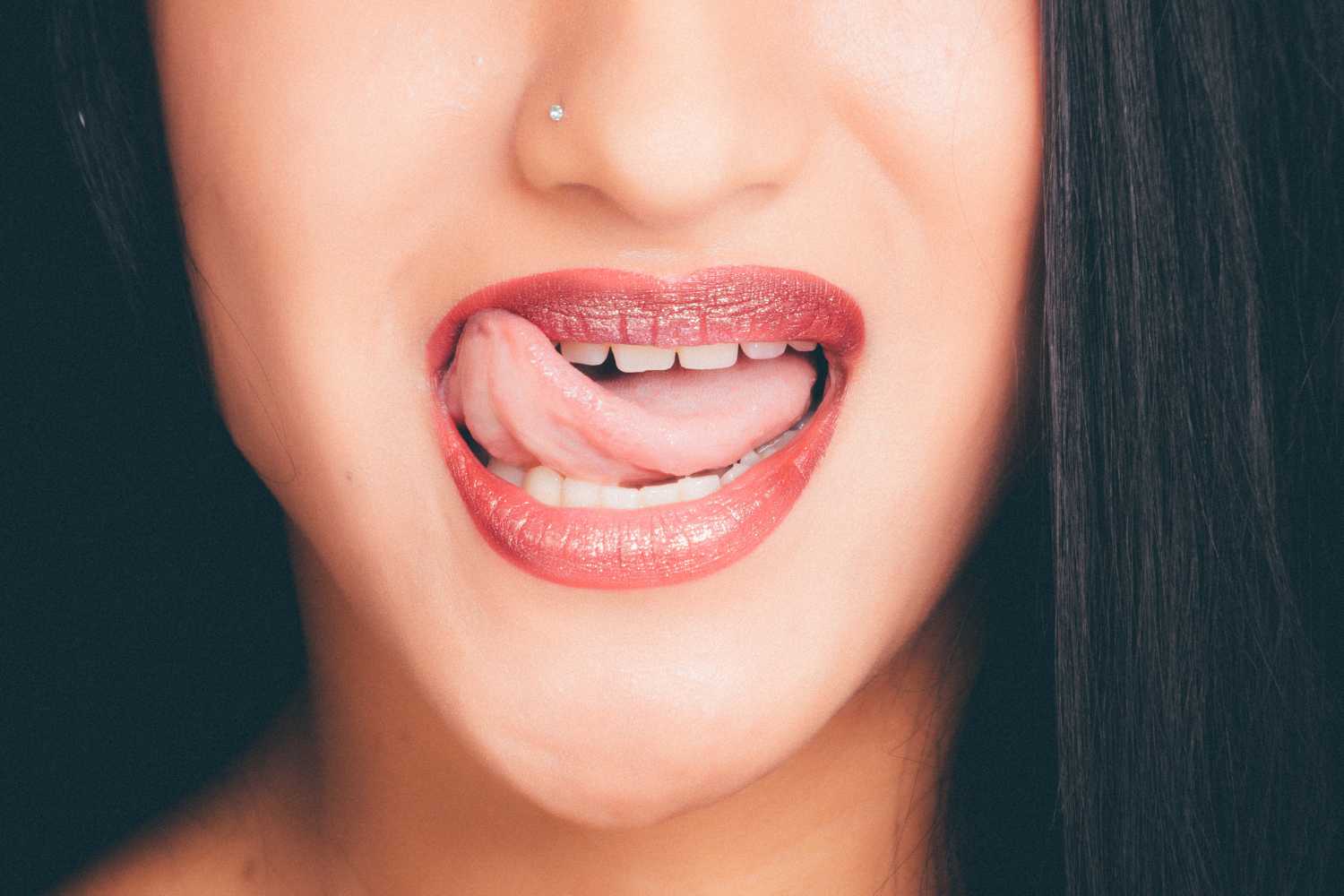
Another great neglected in the routine of oral hygiene is the language. Bacteria and food residues also accumulate on itwhich will contribute to the formation of tartar and bad breath.
Gently brush the tongue, or use a specific clean-language, in order to improve not only the breath, but also the balance of the oral bacterial flora.
Use the same toothbrush for too long
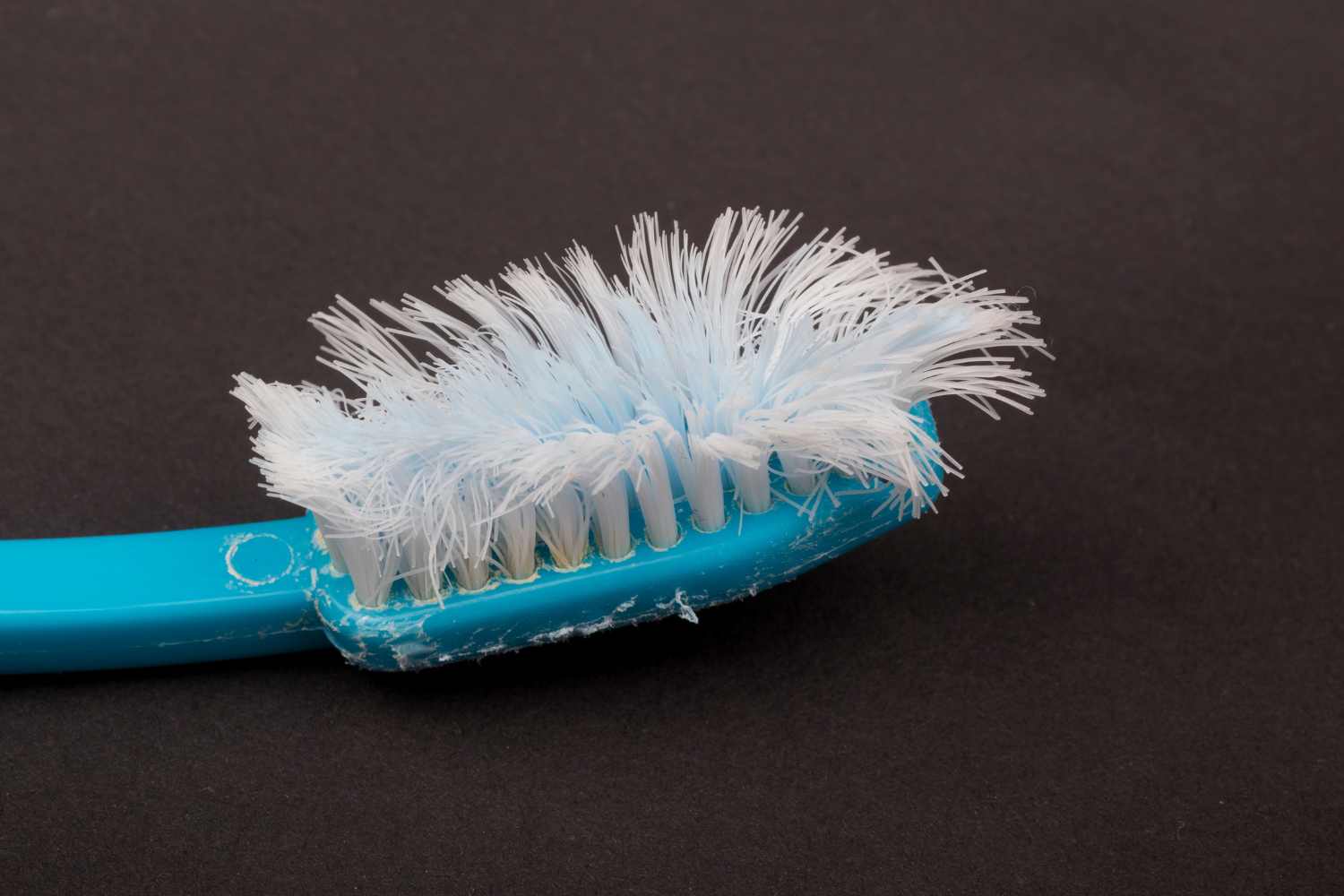
The toothbrush is not eternal: the bristles consume, bend and lose their effectiveness and After about three months – even before if obvious signs of wear – it must be replaced.
Using too old a brush does not guarantee adequate cleaning and can even irritate the gums. In addition, it can also become a receptacle for bacteria.
Do not brush your teeth before going to sleep

It is perhaps the most underestimated but also the most serious error. During the night, salivation decreases and bacteria proliferate more easily and If you go to bed without washing your teeth, you will leave the plate free to the platewhich can turn into tartar.
A good evening hygiene is essential for the health of teeth and gums: a quick pass is not enough, they need care and attention.
Better to change habits
Oral hygiene is to be considered as an integral part of an individual’s general health and must not be underestimated. Wash your teeth correctly helps to prevent different pathologies that, over time, can become serious and create problems of absolute importance.
To wash your teeth in the right way, just correct some wrong habits, have greater awareness and attention to daily gestures, with the aim of composing one daily routine that can give the right benefits.
