
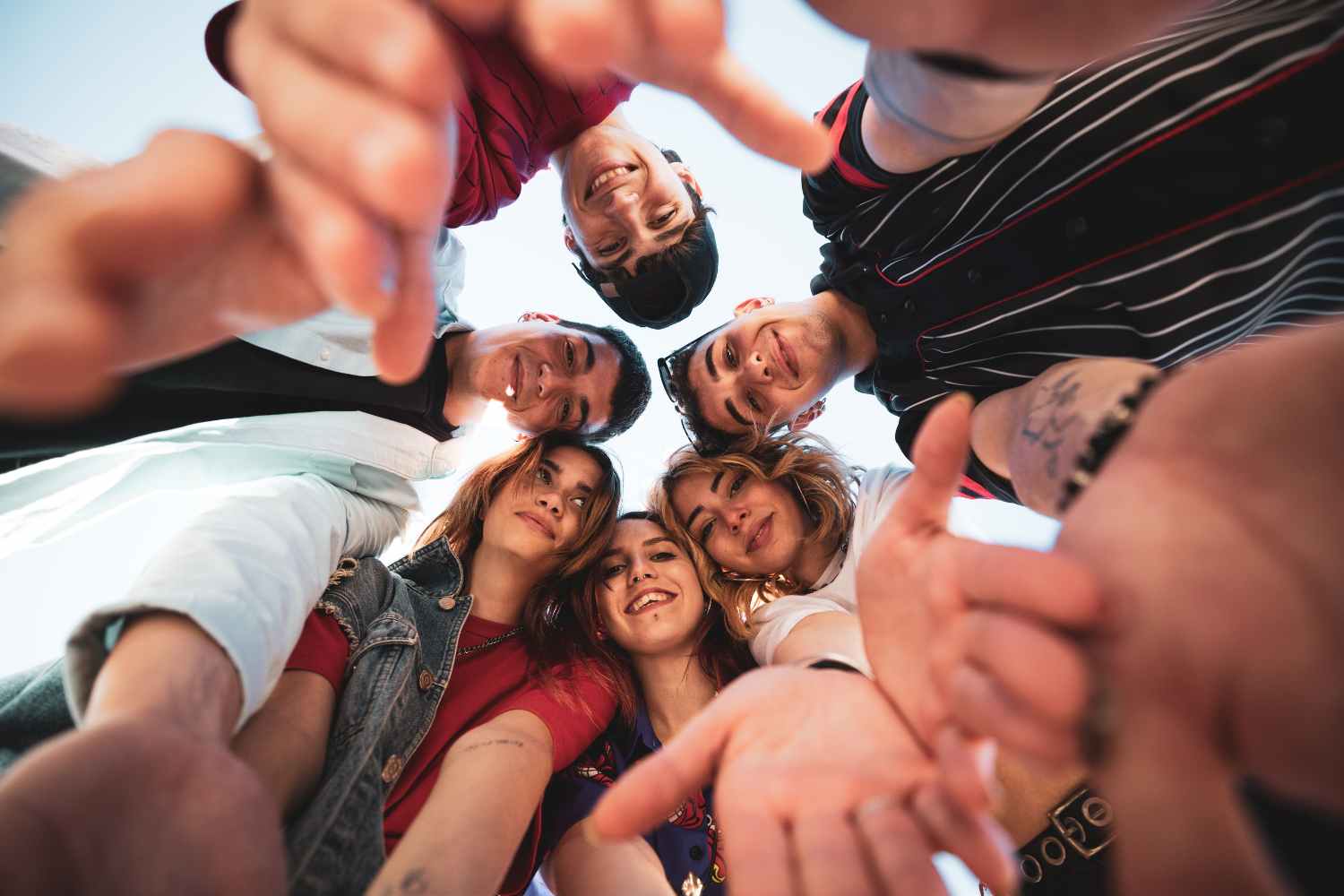
Italy throws less food in the garbage: 95 grams less per week than ten years ago. The amount of wasted food drops to 555.8 grams per capita every seven days, a step forward recorded by the new Waste Wather International report, but still far from the finish of 369.7 grams set by the UN agenda for 2030. The real news, however, does not reside in this slow improvement, but in the concrete example offered by the Z generation (the born between 1997 and 2012). Digital natives prove to be the protagonists of a silent revolution, showing behaviors that place them at the forefront in the fight against waste.
More attentive Italians, but the gap remains
The investigation, conducted in August 2025, shows a split country. It is wasted less in the regions of the Center (490.6 g) and the North (515.2 g), much more in the South (628.6 g). To end more often in the basket are fresh fruit (22.9 g), vegetables (21.5 g) and bread (19.5 g). Economic pressures and growing sensitivity towards global and climatic crises push more prudent choices: 37% of Italians favor Made in Italy and two out of three (66%) maintain high attention to the environment.
It is in this scenario that the attitude of the Z generation is clearly distinguished. The younger ones do not limit themselves to a generic attention, but translate it into measurable and more effective actions than the average. They are the ones who guide the change with a pragmatic and conscious approach.
Gen Z: the model to follow
The report data incorporate young people as real “anti -pronger champions”. Their secret lies in great proclamations, but in a series of habits rooted in everyday life and enhanced by familiarity with digital. Compared to the national average, the Z generation:
The genz (…) is a real sustainability engine -, explains the scientific director of Waste Watcher, Andrea Segrè, – both to smooth the critical aspects related to the management of food and to transmit and amplify the positive ones centered on digitization, the relationship and sustainability.
The challenge: to make the exception normal
The example of the youngest is a powerful signal. It shows that it is possible to accelerate the reduction of waste through more aware behavior, intelligent use of technology and a renewed attention to the value of food. For the institutions and the rest of the company, the direction to follow is clear.
As Andrea Segrè concludes, “the real challenge is to transform the case of Gen Z in practice widespread, capable of involving less digital generations, the most vulnerable bands and of course future generations”. The 2030 goal will not be achieved only with slow improvements, but adopting on large scale the pragmatic and innovative model that the youngest are already putting into practice.
Food waste and fast fashion, the EU narrow arrives: those who pollute pays. Here’s what changes (really)
