
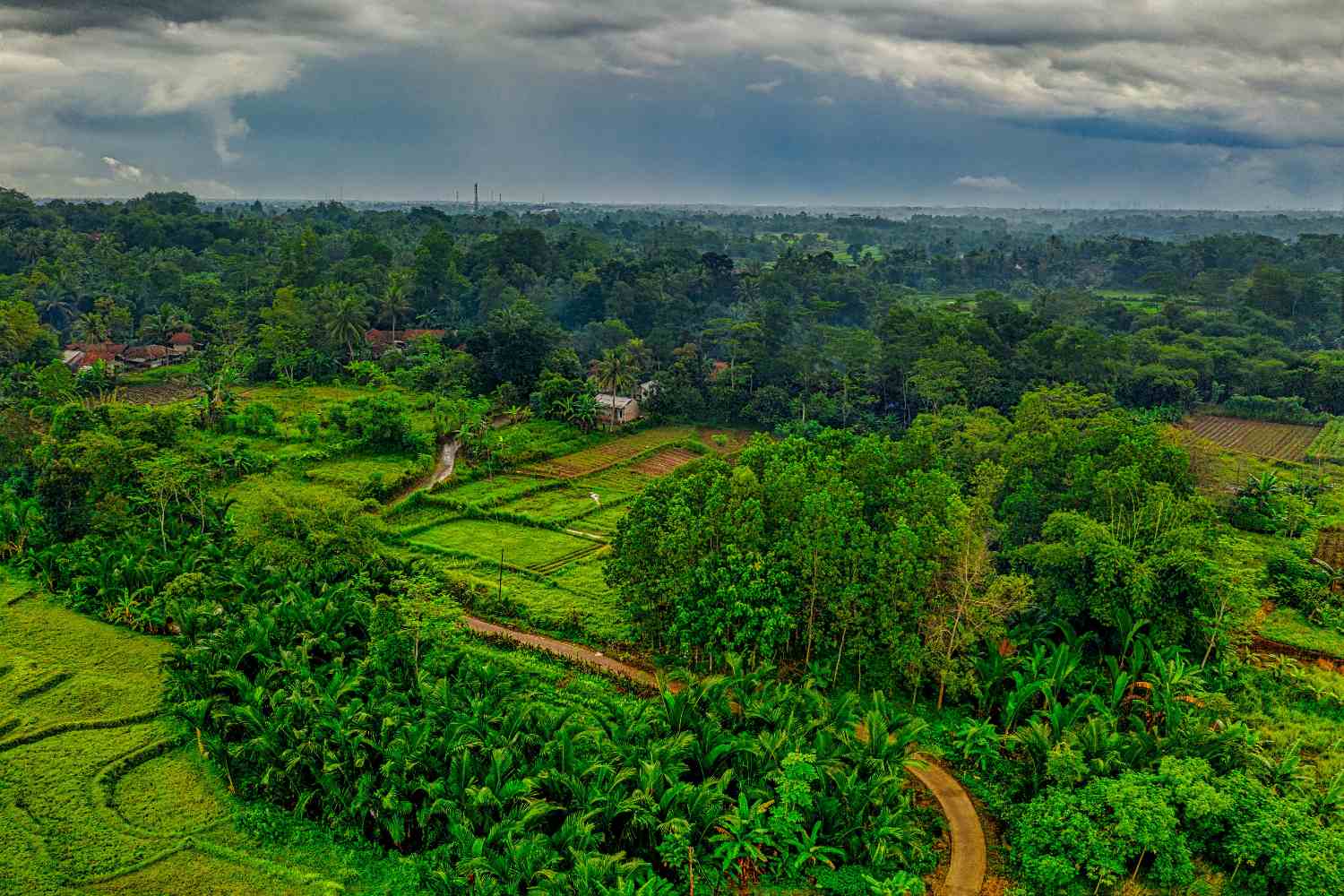
In Southern Papuaa region ofIndonesia still full of unspoiled nature, a government project is underway that risks become The largest deforestation operation ever planned. The goal? Create millions of hectares grown with rice and sugar cane To reach thefood and energy self -sufficiency within a few years. But the price to pay could be very high.
The plan, promoted by President Prabowo Sub -Structure, aims at transform vast areas of tropical forest into monocultures. A choice that triggered the alarm between environmentalists, scientists and human rights activists, who openly speak of “death area“In one of the most biodiversity places on the planet.
According to different local and international NGOs, beyond 11,000 hectares of land – equal to a larger area in Paris – have already been deficiency. And the process continues, also involving Protected areas, peatings and forests considered fundamental for the fight against climate change. The data of the NGO Auriga Nusantara indicate a forest loss of beyond 260,000 hectares Only in 2024, reversing the positive trend of recent years.
There is also the risk of large -scale fires
The agricultural project is part of a complex context. Papua is the scene of one long separatist crisis and of accusations of human rights violations by the Indonesian armed forces. The use of the army to support crops and “maintain stability” feeds further tensions with indigenous communitymany of which risk being displaced.
Experts also question the agronomic sustainability of the operation: the soils of Merauke they would be too acidic and the local climate too extreme to ensure good harvests. In addition, the reclamation of the swamps and the drainage of the peatings increase the risk of large -scale fires.
Instead of exploiting areas already degraded or abandoned, the government seems to aim for a radical transformation of the territory, ignoring the possible consequences ecological, social and economic. An approach that, according to many observers, could compromise the climatic commitments of Indonesia e forever destroy one of the last green lungs of the planet.
