
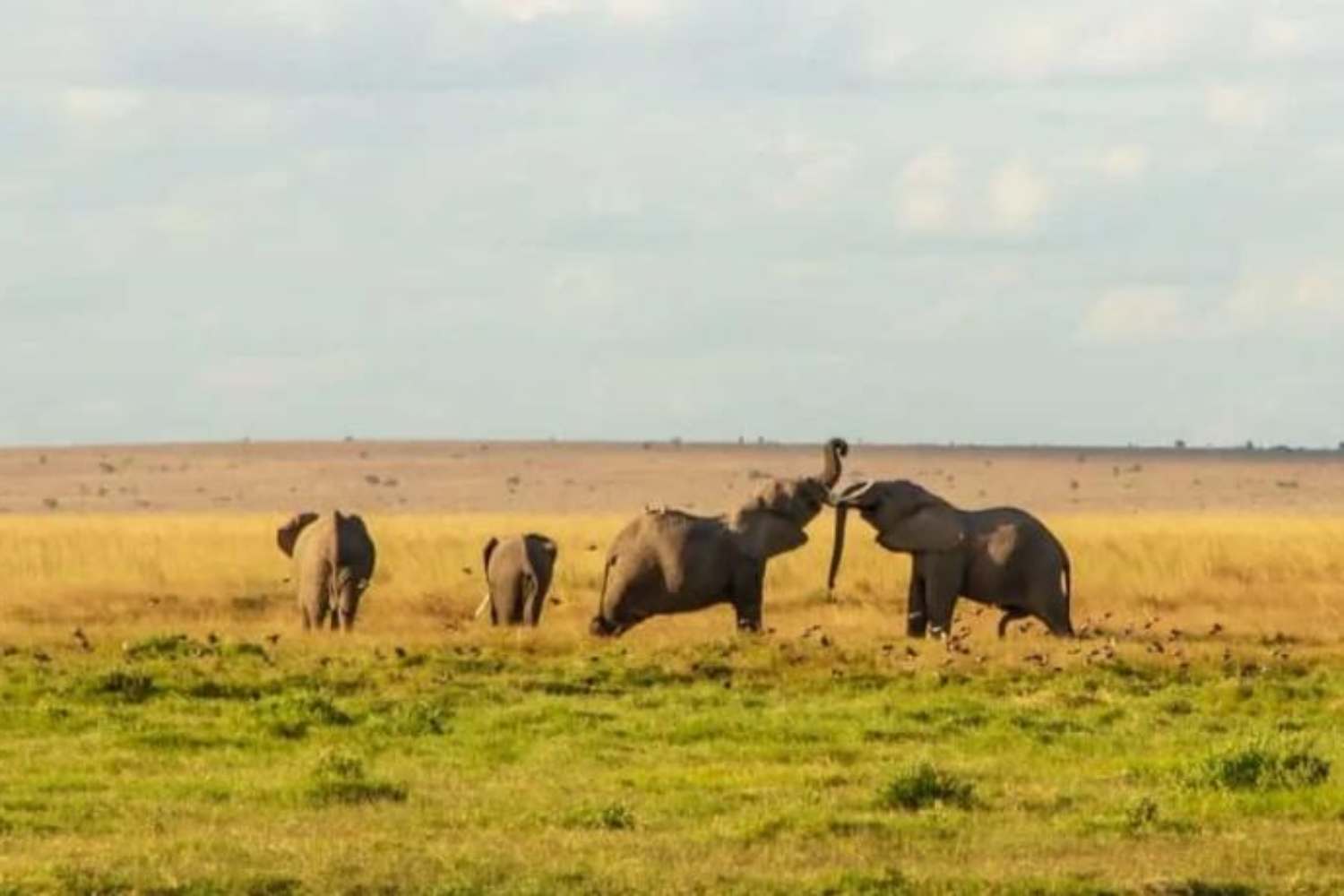
In 2026, Europe will take a fundamental step for animal protection with the opening of the first large elephant sanctuary. The structure will be built in southern Portugal, in the Alentejo region, a short distance from the border with Spain. Here, in a large and minimally populated natural area, elephants from European zoos and circuses will be offered a new life opportunity.
Over 400 hectares of controlled freedom
The sanctuary will extend over over 400 hectares, between the municipalities of Vila Viçosa and Alandroal, in the district of Évora. The spaces were chosen to guarantee a favorable climate, biodiversity and environmental sustainability. The elephants will be able to move freely, explore the territory, search for food and interact with each other, recovering natural behaviors often denied during years of captivity.
The commitment of the NGO Pangea Trust
The initiative is promoted by the NGO Pangea Trust, active since 2017 in the protection of exotic animals. The project was born with a clear principle: to offer a definitive refuge, not a new form of attraction. For this reason, the sanctuary does not include commercial activities, shows, controlled reproduction or mass tourism. Access will be limited to vets, researchers, volunteers and students, with rare information days dedicated to the local community.
Kariba, the first symbol of rebirth
The first resident will be Kariba, a 40-year-old African elephant, whose story represents that of many animals stolen from freedom. Captured in Zimbabwe in the 1980s after a poaching episode, she spent decades in facilities in Germany, the Netherlands and Belgium. His arrival in the sanctuary, for which a fundraiser has also been launched, will mark the beginning of a new phase based on personalized care, environmental enrichment and respect for natural rhythms.
View this post on Instagram
An ethical model for the future
The Alentejo sanctuary aims to welcome between 20 and 30 elephants, offering them a dignified life until the end. This project represents a paradigm shift in the management of wild animals in Europe, demonstrating that alternatives to confinement are possible. A concrete example of how conservation, ethics and respect can coexist, paving the way for new similar initiatives on the continent.
You might also be interested in:
