

It is in the summer months, when the windows remain closed to protect themselves from the AFA or urban noise, that the air at home can become heavier. An almost imperceptible stagnation that insinuates itself into the corners of the rooms, bringing with them thin dusts, volatile compounds, traces of detergents, smoke and other unabustly friendly substances for our lungs.
The good news? There is a simple and effective way to improve the air quality within the home, a natural, as well as decorative way, which sees the flowers as protagonists.
Let’s not talk about simple ornamental plantssince some flowers, carefully selected, have the ability to absorb harmful compounds, release oxygen and improve mood, thanks also to the delicate perfume. Science confirms what common sense suggested for some time: certain floral varieties are authentic biological purifiers (useful, for example, to counteract pathologies such as asthma) and, for those who have a weakness for beauty, represent a touch of indispensable harmony.
The purifying effect of flowers: a question of chemistry
Domestic air is often more polluted than the external one. The fault? Paints, hill, synthetic materials, deodorants for environments and even some plastic surfaces that release volatile organic compounds (COV).
Many studies conducted by NASA and European and American research centers have highlighted that some plants and flowers are able to absorb these compounds through the leaves and metabolize them through a process called phytodepuration. The result is a more breathless air, healthier.
But be careful: not all flowers perform this function in the same way. Some are decorative but inert, others instead prove to be small natural chemical workshops. Here, therefore, which summer flowers deserve a place of honor at home.
Gerbera
Colored, resistant and cheerful, the Gerbera is a flower that often chooses for its sunny appearance. Few people know that it is one of the most effective varieties in capturing benzene and tricloroethylene, two toxic compounds present in many domestic products.
Gerbera loves light, but without excess. Placing it in a well -enlightened area, far from the direct sun, is the best choice. It requires moderate watering, with particular attention not to soak the roots.
During the summer, it is a valid ally to improve air quality, especially in the most popular rooms.
Spatifillo
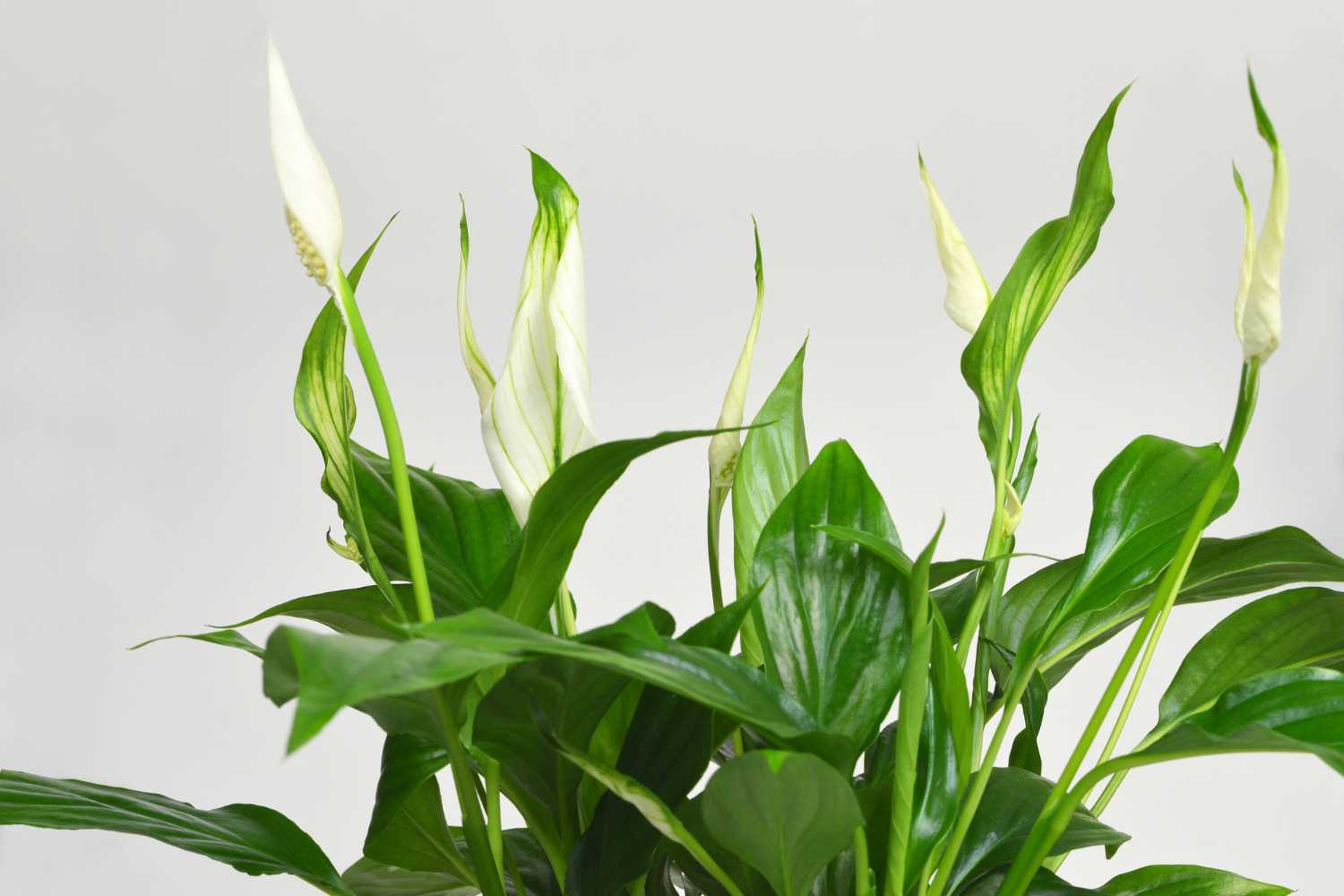
Spatifillo (Spathiphyllum), also called “Giglio della Pace”, is a plant that knows how to flourish even in the summer, giving candid inflorescences and lucid leaves of a deep green.
Its real strength, however, lies in the ability to absorb ammonia, formaldehyde and xylene. It is particularly useful in the bathroom or in the kitchen, where these substances can accumulate more easily.
It grows well in humid environments, it does not fear the shadow and does not need excessive care. A spatifillo pot at home is synonymous with clean air, without any noise or waste of energy.
Lavender
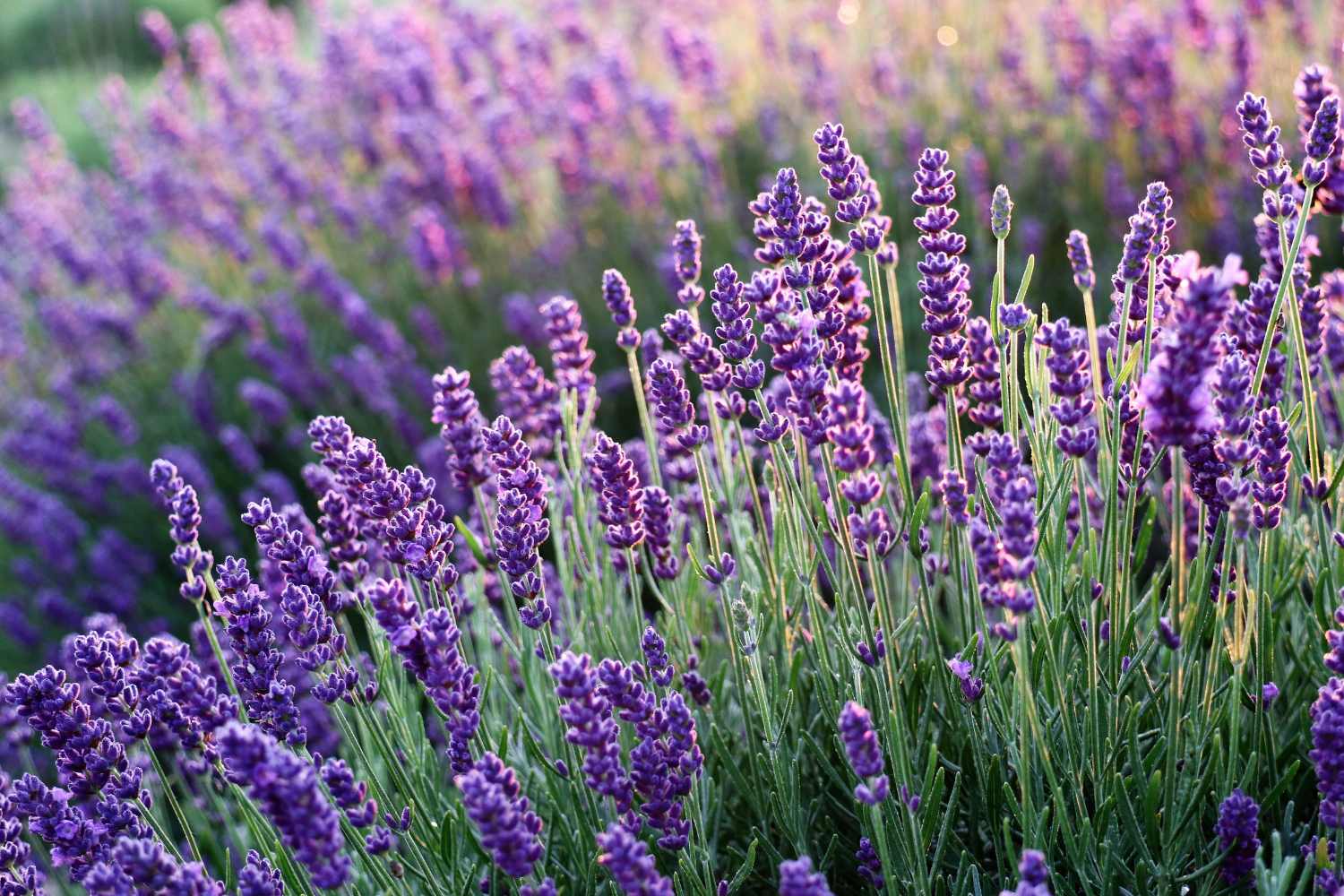
Who does not recognize the scent of lavender? Flower that finds its ideal habitat in sunny and ventilated areas, is famous for calming properties, while its action on air is certainly less known: lavender acts as a natural repellent against mosquitoes and insects, but also has a natural deodorant effect. It does not eliminate Cov like other plants, but fights the feeling of stagnant air thanks to the essential oils that spontaneously releases.
A lavender vase on the balcony or window sill, with some branch cut to put at home, can transform the atmosphere of a room, especially in the most sultry hours.
Gardenia
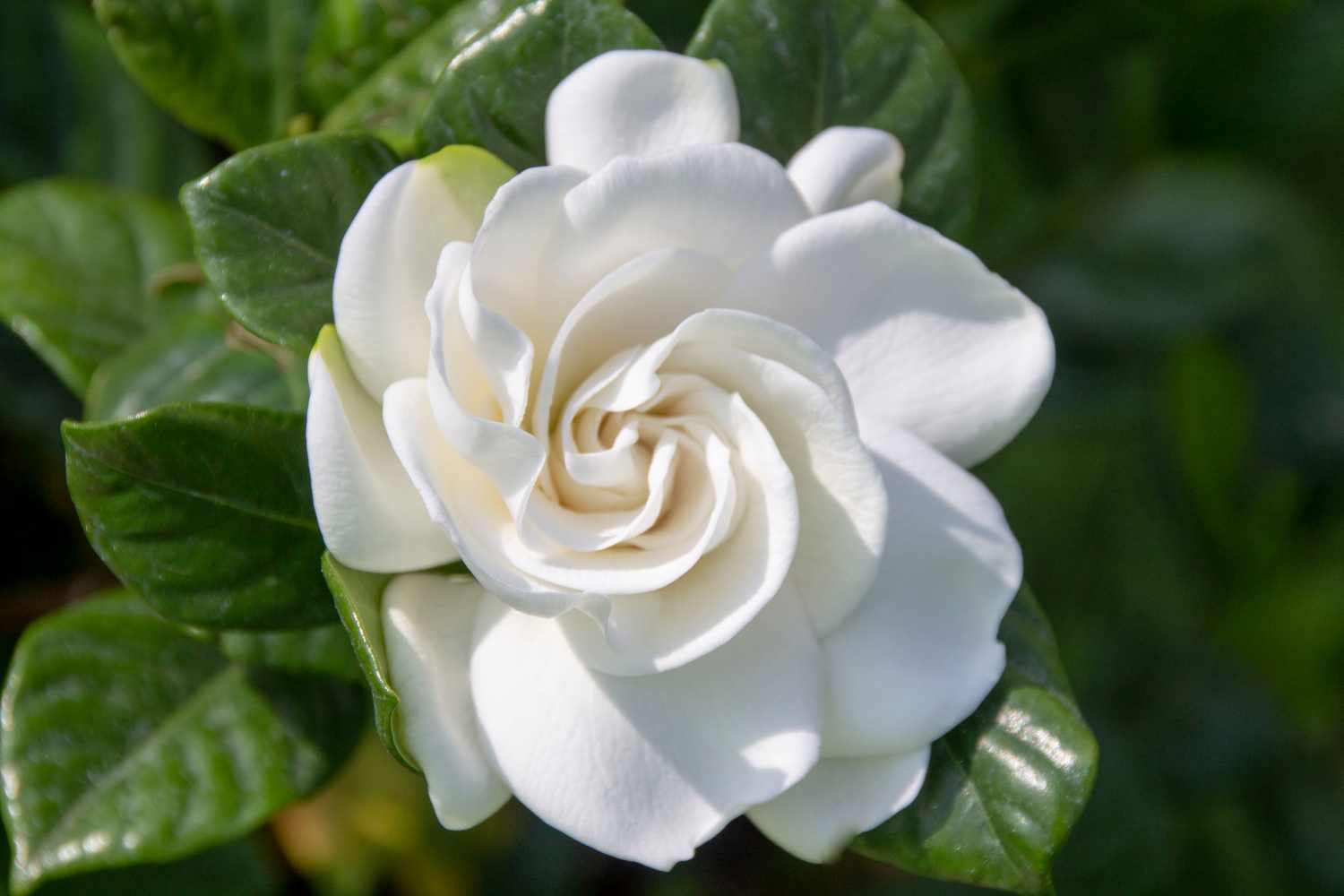
Perfumed, scenic and a little demanding, Gardenia is one of those flowers that generously repays those who know how to respect its needs. In summer, if kept away from direct rays and with the right humidity, it can flourish abundantly.
The flowers release a delicate and persistent perfume, and also contribute to improving air quality, because they increase environmental humidity and create a healthier microclimate for this.
An advantage that is not a little, especially in the cities where the humidity rate at home can collapse due to the air conditioners always on.
Chrysanthemum
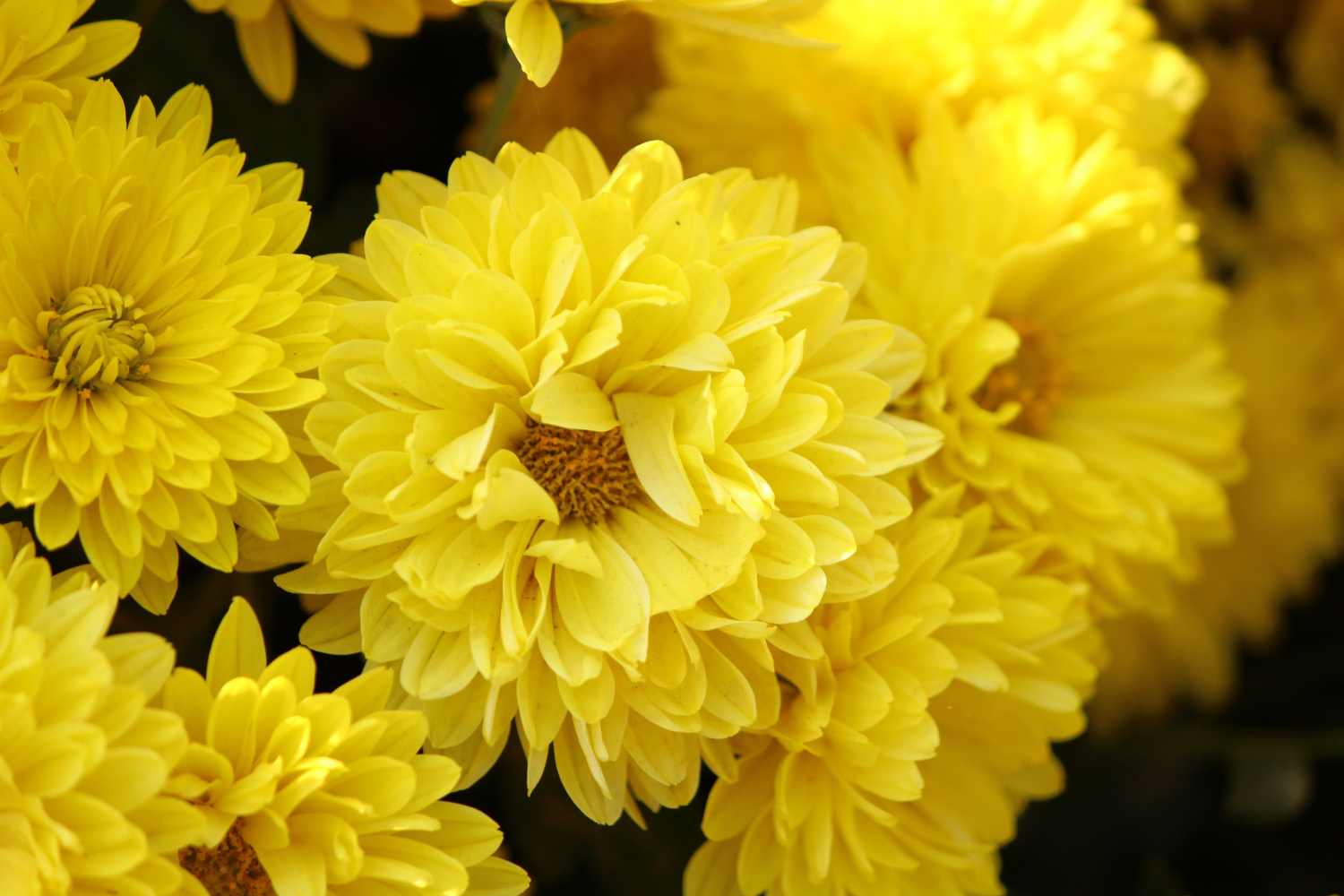
The chrysanthemum is often associated with the month of the deceased, although in reality it is a versatile flower, resistant and with a strong purifying action. Some summer varieties, such as the Chrysanthemum Morifoliiummanage to absorb formaldehyde, benzene and ammonia.
If exposed to light but protected in the hottest hours, it can color terraces and stays for many weeks, and, in the meantime, acts as a silent barrier against indoor pollution.
Some practical tips
To get the maximum benefit from these flowers you act in this way:
A daily gesture that is good
Breathing better is a need that goes unnoticed and too often we realize the spoiled air only when it is too late, when a series of annoyances are revealed, such as headache, tiredness and irritation in the eyes. Integrating some purifying flowers in the house is a simple, almost poetic way, to take care of yourself and your space.
Who says that beauty is an end in itself? In summer, the right flowers can turn into real natural filters, and while taking care of the environment that surrounds us, we learn – without effort – to breathe better.
