
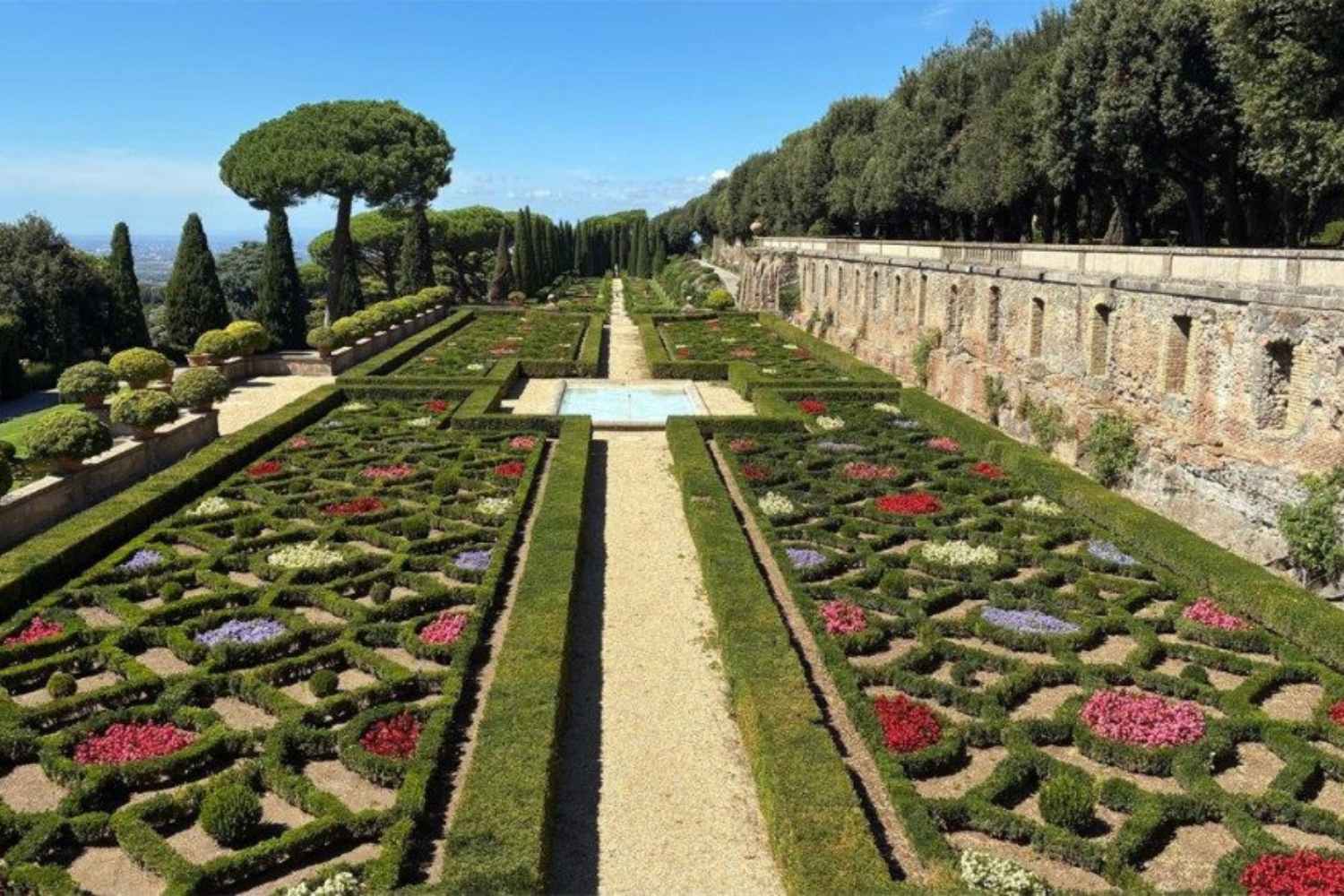
Transform an encyclical into a cultivable land, into clean energy and in job opportunities. This is the bet of the Borgo Laudato Si ‘, the project inaugurated on 5 September by Pope Leo XIV which is converting 55 hectares of the historic pontifical villas of Castel Gandolfo in a pioneering model of integral ecology. An open -air laboratory where the principles set out by Pope Francis become daily practice, with the aim of making school, beyond the Vatican borders.
View this post on Instagram
A school for 2000 ambassadors of the planet
The beating heart of the initiative is the Laudato Si ‘Higher Education Center, an educational pillar which will welcome about two thousand students per year. The routes will be open to all, from primary schools to managers of large companies, with the aim of forming ambassadors of a new way of living in the planet. A part of the students, including a share with disabilities, will find employment in the structures of the village, such as the restaurant under construction, while others will report the skills acquired in their countries of origin.
From the biodynamic vineyard to the circular economy
But it is on the field that the theory becomes matter. Of the 55 total hectares, about 30 are intended for agriculture. Here, with the scientific advice of the University of Udine, biodynamic vineyards are being cultivated. The goal is to produce laudato wine yes, together with organic olive oil, cheeses from the 60 cows of the farm and herbal teas from the aromatic garden. Sales profits will be entirely reinvested in the project, in a perfect cycle of generative economy.
Smart and agrivoltaic irrigation
Technological innovation is a key tool for custody of creation. A modern greenhouse is already powered by a photovoltaic system and the implementation of a agrivoltaic system is expected, which allows you to combine agricultural and energy production on the same ground. Water management is another flagship: thanks to the work of the engineer Antonino Errigo, an “intelligent irrigation” system uses artificial intelligence to dose water according to the real needs of plants, minimizing the withdrawal from the nearby lake. The system, which includes the collection of rainwater and the treatment of waste water, aims to independently produce 1200 of the 1500 cubic meters of water necessary for the structure’s needs. The long -term goal is ambitious: zero waste, thanks to an integrated recycling and composting system, and the total call for plastic.
Not only the environment: social inclusion and openness to the public
The village is an environmental project and, together, social. It will work as the first professional school of the Vatican, offering training in sustainable gardening and organic agriculture to people from contexts of vulnerability, such as refugees, victims of violence and prisoners on the rehabilitation path. A concrete commitment to inextricably linking the care of nature to human dignity. The initiative, which currently has 39 employees, is designed to be open to the public, with a forecast of 250 thousand visitors per year. There will be an entrance ticket, but access will be free for those in economic difficulty, because, as the encyclical teaches, the beauty of creation is a heritage of everyone, to be kept and shared.
Don’t you want to lose our news?
