

The collective imagination sees in honey a gift of nature, which comes directly from the kingdom of insects. A sweet and golden substance that slides slowly from the spoon and that carries the ancient aura of bees, favi and meadows in bloom. Unfortunately, this idyll does not correspond exactly to reality, and what we buy on the shelves of the supermarket does not always reflect that ideal. Behind the label of the product indicated as “honey”, a long and standardized industrial process is often hiddenwhich transforms a live product into a docile, uniform and almost odorless liquid. Certainly not harmful, but certainly not always natural.
How industrial honey is produced
Honey begins its journey to the hive, of course. The bee They collect nectar from flowers, transport it to the colony and transform it thanks to the enzymes contained in saliva. In the favi Honey is left to mature, slowly dehydrated until it reaches the right consistency, and so far the process is completely natural.
The turning point arrives in the subsequent stages, those of collection and processing. When honey enters the industrial circuit, the treatment is no longer the artisan one of the small beekeeper. It is extracted by means of centrifuges, filtered to remove impurities (such as wax, vegetable remains and pollen granules), then heated. Without forgetting the moment of pasteurizationoften carried out at temperatures above 60 ° C, which serves to make it more fluid and slow down crystallization.
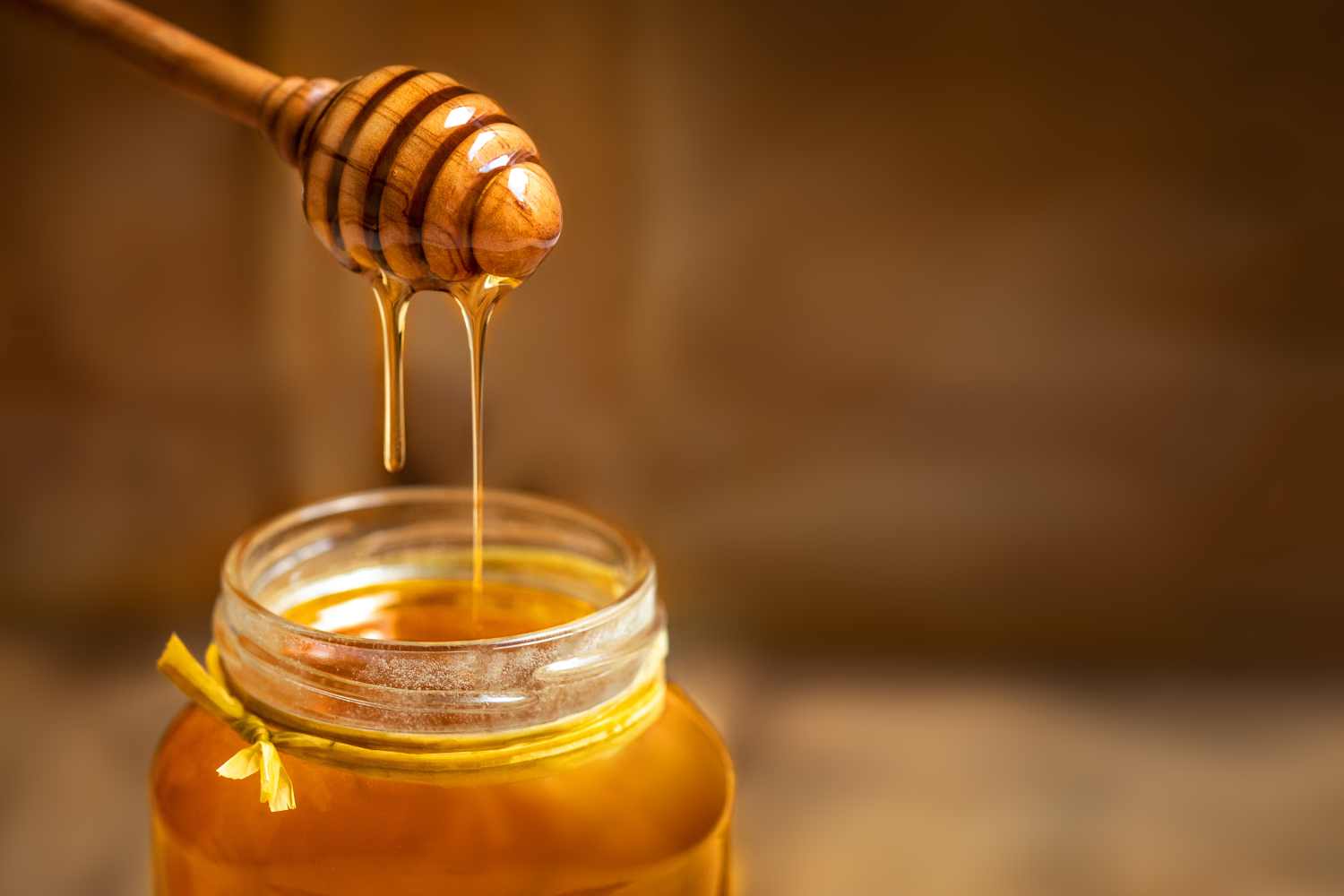
This process, if on the one hand makes honey more practical for mass consumption, on the other hand alters some fundamental qualities: High temperatures degrade enzymes, impoverish vitamin content and significantly reduce antibacterial properties. In essence, they make it more comfortable “, but less alive.
Because “it is not always natural”
Many industrial honey are labeled as “natural” and “pure”, but these words do not always tell the whole truth. First of all, it is good to know that European legislation allows “honey” labeling even in the presence of mixtures from multiple countries. Phrases such as “Mine of original and non -original honey mix” often appear in small on the rear label.
The formula indicates that honey may have been produced in part in Europe, in part in other countries, such as China, Argentine, Ukraine and in some cases these honey are already filtered and pasteurized. As usual, The factor that most influences the choices is the economic oneand here comes the quality: to satisfy large retailers, you prefer an always the same honey, with a predictable color and density, often obtained by mixing different honey to correct odors, flavors and crystallization, with obviously very affordable, at the expense of the overall quality. For heaven’s sake, it is one absolutely legal scenariobut far from the complexity – and the quality level – of an artisan honey.
The risk of sophistications
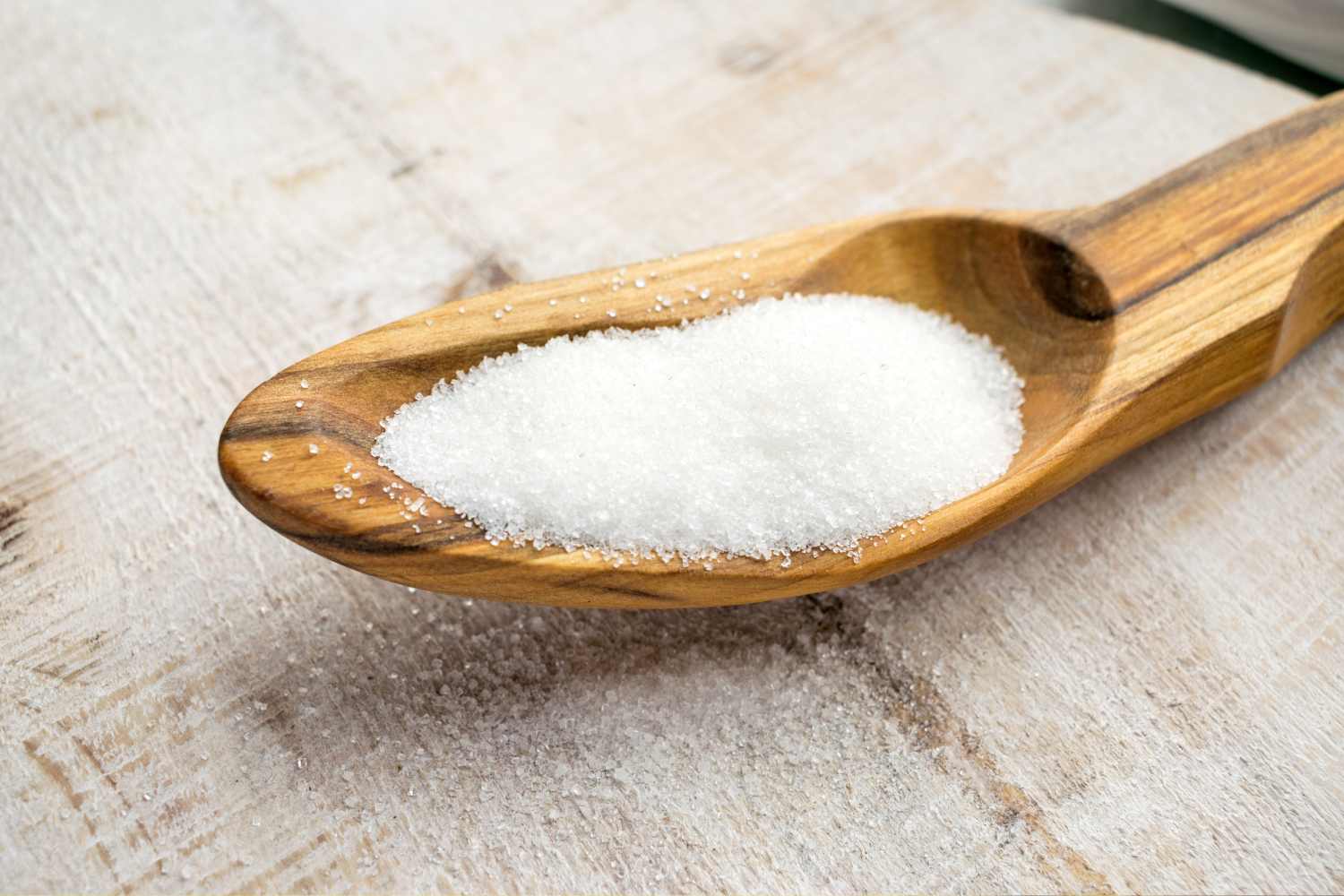
Another critical point concerns the adulterations. In some cases, especially in imported honey, the exogenous sugars – like glucose syrup and fructose – to increase its volume and lower the cost. Let’s talk about Sophisticated techniques that make the product very similar to real honeyto the point that only by performing detailed chemical analyzes is it possible to reveal its nature.
The problem has been well known for some time. Internationally, honey is part of the food products more subject to fraud and the European Commission, for its part, has launched more rigorous checks, even if the phenomenon remains widespread. On the other hand, the average consumer in front of a 2 euro jar, the problem is hardly arising.
The loss of the link with the territory
A artisan honey has a different color according to the season, a flavor that changes with flowers, a consistency that evolves over time, and behaves differently than the industrial one: crystallizes, ferments and breathes. It is a living product, unlike industrial honeywhich instead is made “silent”, uniform, practically domesticated and devoid of identity.
Large distribution needs standard. He wants a honey that does not separate, do not change color, do not crystallize on the shelf. And so, in the process, the link with the territory is lost, the uniqueness is lost and obviously also the authenticity of the product.
How to recognize a truly natural honey
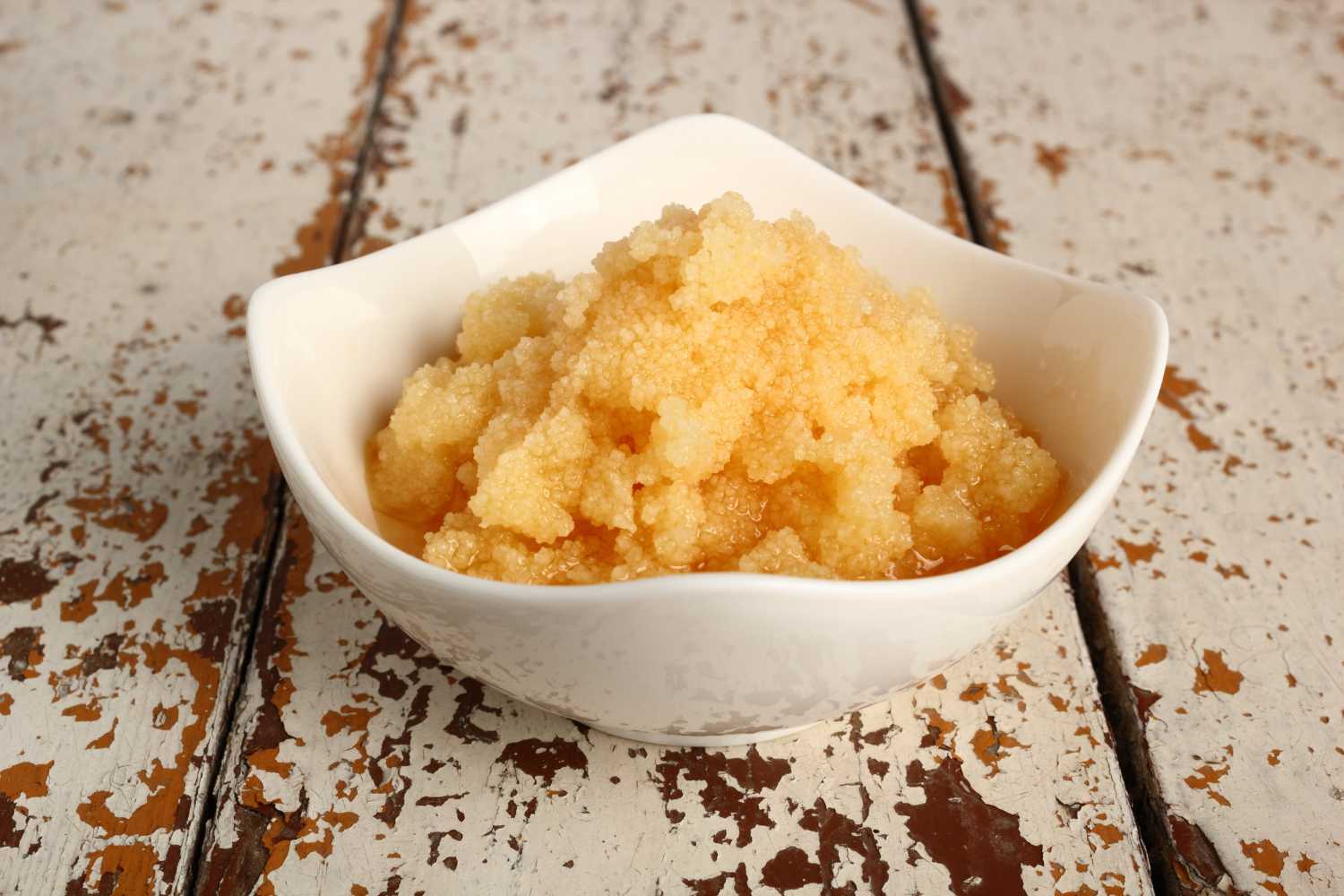
Those who want to buy a honey closer to the original can follow some precautions:
To conclude
The supermarket honey is not poison, nor a scam in itself, as much as the The result of a compromise between nature and market, between beekeeping and industry. Understanding how it is produced, what it contains, where it comes from, means making more aware choices. Remember that not everything that shines gold is honey and not everything called honey deserves that name.
